
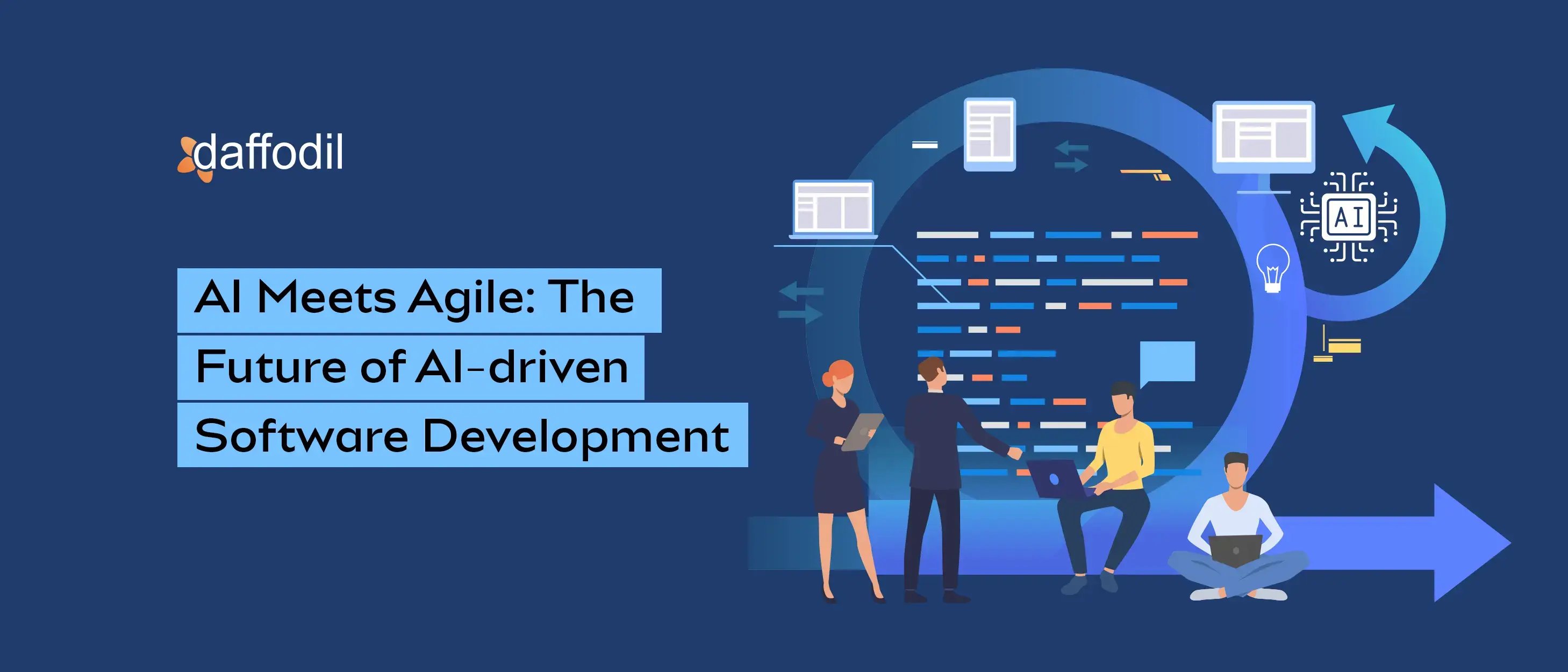
The landscape of software production is undergoing a seismic shift. As organizations increasingly adopt artificial intelligence to generate code at unprecedented speeds, the industry is facing a critical bottleneck: the ability to verify that code quickly and accurately. Traditional quality assurance (QA) methods, designed for a slower pace of human authorship, are struggling to keep pace with the sheer volume of AI-generated output.
In response to this challenge, TestMu AI and Quarks Technosoft have partnered to power the next era of autonomous quality engineering. This collaboration aims to address the widening gap between AI-driven development and traditional verification, moving toward a future where software testing is as dynamic and scalable as the AI tools used to write the code.
For technology leaders, this shift represents more than just a tool upgrade. it is a fundamental reimagining of the software development life cycle (SDLC). By integrating autonomous systems into the quality engineering process, the industry is moving toward a model where reliability is built-in rather than audited at the end of a cycle.
The Rise of AI-Driven Testing
At its core, AI-driven testing is a paradigm shift in software quality assurance. Rather than relying on manual scripts and static test cases, this approach leverages artificial intelligence to automate and optimize the testing lifecycle. This includes the use of machine learning (ML), natural language processing (NLP), and computer vision to handle complexities that once required human intervention.
The application of AI in this space is multifaceted, focusing on several key areas to increase efficiency:
- Test Case Generation: AI algorithms can analyze software requirements, user stories, and historical data to automatically generate comprehensive test cases, ensuring broader coverage of application functionality.
- Autonomous Test Execution: AI-powered tools can execute tests independently, adapting to changes in the application in real-time and providing immediate feedback to developers.
- Defect Detection and Analysis: By identifying patterns in vast amounts of data, AI can detect anomalies and defects more accurately than traditional rule-based systems.
By incorporating these AI-driven insights into development workflows, organizations create a robust feedback mechanism that elevates overall software quality and reduces the costs associated with longer development cycles.
Solving the Speed Gap in AI Development
The urgency for autonomous quality engineering is driven by the rise of AI-driven development. When AI tools generate code in seconds, the traditional “write-then-test” sequence becomes a liability. If testing remains a manual or semi-automated process, it becomes the primary bottleneck, slowing down the release of features and increasing the risk of shipping undetected bugs.

Autonomous quality engineering seeks to eliminate this friction. By automating the creation and execution of tests, the verification process can mirror the speed of code generation. This ensures that the agility gained through AI coding is not lost during the QA phase, allowing for a truly continuous integration and continuous deployment (CI/CD) pipeline.
Integrating TDD with AI Workflows
To maximize the effectiveness of AI-driven development, many experts are returning to the principles of Test Driven Development (TDD). TDD is a workflow where tests are used to design and drive the actual implementation of the code. This process typically follows a strict cycle: Red (write a failing test), Green (write the minimum code to make the test pass), and Refactor (clean up the code while ensuring the test still passes).
According to industry analysis on AI-driven development, combining TDD with AI can lead to better software outcomes. When AI is tasked with generating code to satisfy a pre-defined test, the resulting output is more likely to be accurate and aligned with the original requirements. This synergy reduces the “hallucination” risk often associated with AI-generated code, as the test acts as a factual guardrail.
Transforming the Software Development Life Cycle
The integration of AI and ML has led to a monumental shift in the role of testing within the SDLC. Testing is no longer a final gate through which software must pass; it is now an accelerated, ongoing process that happens concurrently with development.

As noted by Keysight, AI-driven software testing accelerates the entire cycle, allowing teams to identify vulnerabilities and performance issues much earlier in the process. This “shift-left” approach—moving testing earlier in the development timeline—reduces the cost of fixing bugs and improves the overall reliability of the final product.
Key Takeaways for Quality Engineering
- Efficiency Gains: AI reduces the manual effort required for test case generation and execution.
- Enhanced Coverage: ML and NLP allow for more comprehensive testing of complex user stories and requirements.
- Speed Alignment: Autonomous testing prevents QA from becoming a bottleneck in AI-driven development pipelines.
- Structural Rigor: TDD provides a necessary framework to ensure AI-generated code remains functional and maintainable.
As the partnership between TestMu AI and Quarks Technosoft progresses, the industry will likely see a further convergence of AI generation and AI verification. The ultimate goal is a self-healing software ecosystem where tests are generated, executed, and updated automatically as the code evolves.
For organizations looking to modernize their QA stacks, the focus should be on transitioning from manual scripting to intelligent, autonomous frameworks that can scale alongside their development tools.
We will continue to monitor the implementation of this partnership and its impact on autonomous quality engineering standards. Stay tuned for further updates on the deployment of these new capabilities.
Do you believe autonomous quality engineering will eventually replace the need for manual QA testers? Share your thoughts in the comments below.