For millions of people worldwide, the gradual erosion of joint health is not just a medical diagnosis—it is a slow loss of independence. Osteoarthritis, characterized by the progressive wear of cartilage that protects the joints, often leads to debilitating pain, stiffness, and a significant loss of mobility. Until now, the medical community has largely relied on pain management or invasive joint replacement surgeries to address the condition. However, a federal initiative in the United States is now signaling a potential shift toward regenerative medicine.
The Advanced Research Projects Agency for Health (ARPA-H), a federal agency dedicated to high-impact medical breakthroughs, has unveiled three potential treatments for osteoarthritis that aim to do more than just mask pain: they aim to repair the damage. By investing tens of millions of dollars over a five-year period, ARPA-H has supported research teams that have successfully regenerated bone and cartilage—and in one ambitious case, entire knee joints—within animal models according to recent reports.
As a physician and health journalist, I have followed the evolution of regenerative medicine with great interest. The transition from managing a chronic decline to actively reversing tissue loss represents a frontier in public health. While these breakthroughs are currently in the pre-clinical stage, the contractual obligations placed upon these researchers ensure a rigorous timeline for moving these discoveries from the laboratory to the clinic.
Three Research Paths Toward Joint Regeneration
The ARPA-H initiative has diversified its approach by funding three distinct research teams, each tackling the problem of joint decay from a different angle. While the primary focus of the current research is knee osteoarthritis, the agency and its partners believe these solutions could eventually be adapted for any joint affected by the disease.
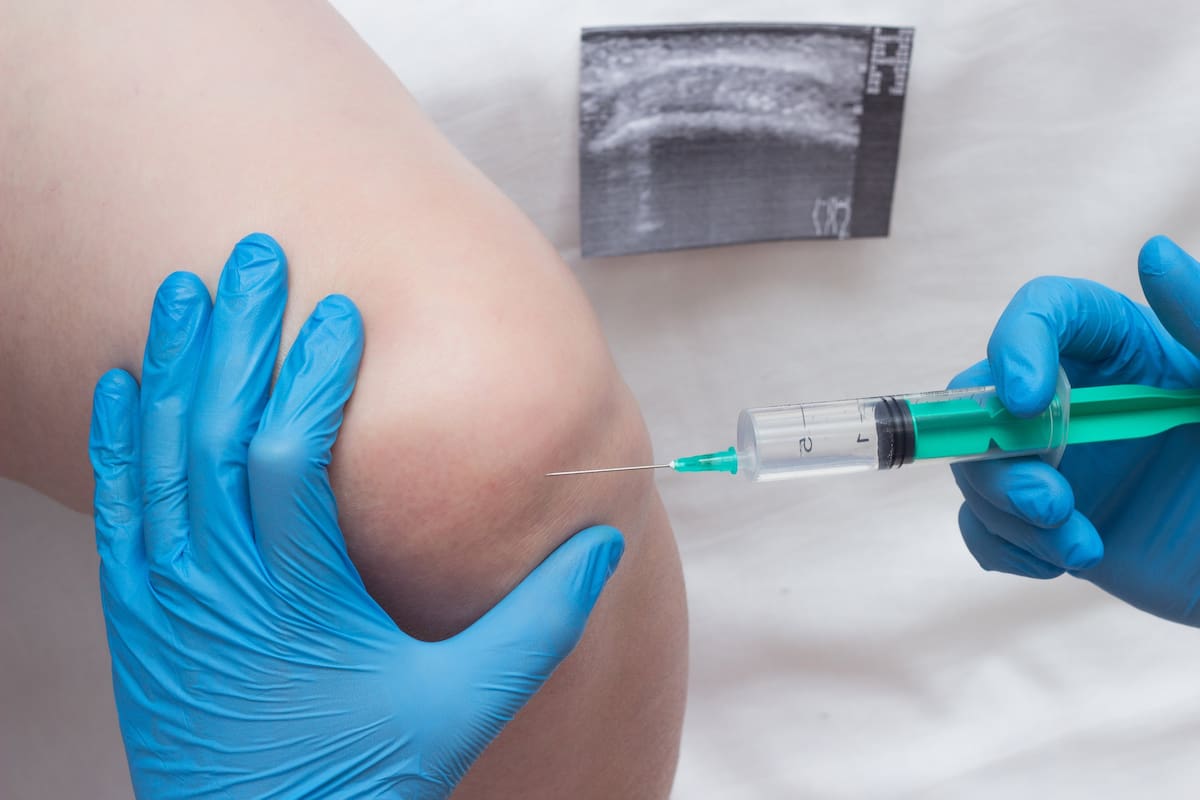
Two of the teams, based at Duke University and the University of Colorado Boulder, have focused on the development of specialized injections or infusions. These treatments are designed to stimulate the body’s own biological processes to regenerate lost bone and cartilage. By targeting the cellular level, these interventions seek to restore the joint’s mechanical integrity without the need for invasive surgical procedures as reported by ARPA-H.
A third, even more ambitious project is being conducted at Columbia University. This team is exploring methods that could potentially regenerate a complete knee. If successful, this would represent a paradigm shift in orthopedics, moving beyond the repair of specific tissues to the holistic restoration of the joint structure.
The CU Boulder Approach: Controlled Release and Injectable Implants
One of the most detailed breakthroughs comes from the University of Colorado Boulder, led by researcher Stephanie Bryant. Her team has developed a single-injection method utilizing a controlled-release system. Unlike traditional injections that may dissipate quickly, this system delivers medication directly into the affected joint over a sustained period, activating the patient’s own bone and cartilage cells to repair the damage according to the study’s findings.
The Colorado team’s research is particularly noteworthy because it addresses the different stages of osteoarthritis. The disease typically progresses through four stages, ranging from mild cartilage loss to the total absence of cartilage, where bone-on-bone contact causes intense pain and inflammation. To combat the more advanced stages, the team designed an injectable implant. This implant is fixed within the joint to attract the body’s own cells, effectively filling the gaps where cartilage has completely vanished per the pre-clinical data.
This non-surgical alternative is designed to bypass the risks associated with traditional joint replacement, offering a biological solution to a mechanical problem. The study demonstrated the ability to reverse the disease in animal models within a two-year development window.
From Animal Models to Human Patients
Despite the encouraging results, it is critical to maintain a realistic perspective on the timeline. All three treatments—the regenerative infusions from Duke and CU Boulder and the full-joint regeneration from Columbia—have only been tested in animals thus far. In the world of medical innovation, the jump from animal models to human biology is the most significant hurdle.
However, ARPA-H has implemented a strict framework to accelerate this process. The research teams are under a contractual obligation to begin testing these potential treatments for osteoarthritis in human patients within the next 18 months according to agency mandates. This aggressive timeline is intended to bring relief to the estimated 32 million Americans currently suffering from the condition.
Key Takeaways of the ARPA-H Project
- Funding: Tens of millions of dollars invested over five years to uncover a cure for osteoarthritis.
- Innovation: Three distinct approaches including regenerative injections (Duke and CU Boulder) and full joint regeneration (Columbia).
- Non-Surgical Potential: CU Boulder’s controlled-release injection and injectable implant aim to repair cartilage without surgery.
- Urgency: Human trials are contractually required to begin within the next 18 months.
- Scope: While focused on the knee, the techniques may eventually apply to all affected joints.
Why This Matters for Global Health
The implications of this research extend far beyond the United States. Osteoarthritis affects hundreds of millions of people globally, creating a massive burden on healthcare systems and reducing the quality of life for aging populations. The current standard of care—pain relief and prosthetic replacements—does not address the root cause of the disease: the loss of biological tissue.

By focusing on regeneration, ARPA-H is pushing the medical community toward a future where “wear and tear” is no longer an inevitable part of aging. The ability to trigger the body’s own cellular repair mechanisms could reduce the reliance on expensive, high-risk surgeries and provide a sustainable way to maintain mobility into old age.
The next confirmed checkpoint for this initiative will be the commencement of human clinical trials, which are expected to begin within the next 18 months as per the agency’s contractual requirements. We will continue to monitor these developments as they move toward regulatory review and potential public availability.
Do you or a loved one struggle with joint mobility? We invite you to share your thoughts or questions about these regenerative developments in the comments below.
Worth a look
- Guía completa sobre fertilización incorporada al suelo: Técnicas y beneficios
- Carbohydrates and Meal Timing: Strategies to Reduce Blood Sugar Spikes
- The Congressional Review Act, Explained: How Congress Kills Federal Rules (daybreakwire.com)
- University of Iowa International Writing Program Secures Funding After Losing Federal Support (news-usa.today)