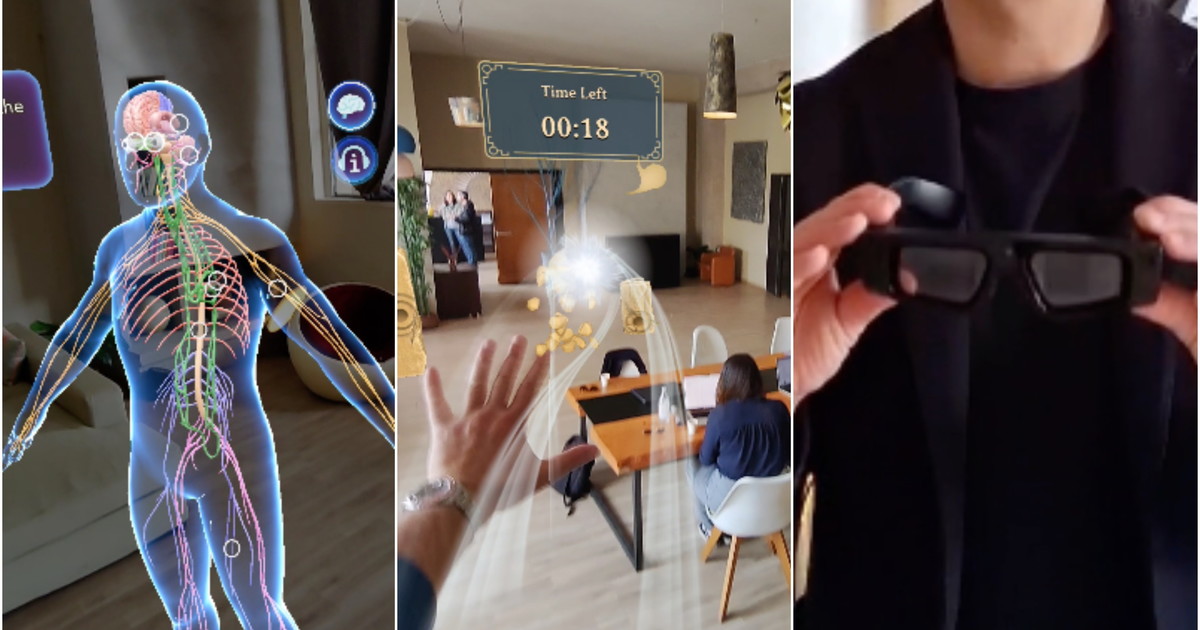
Snap Inc.’s Spectacles represent one of the most ambitious attempts to bring augmented reality (AR) into everyday life through wearable technology. As a technology editor with years of experience covering consumer electronics and emerging platforms, I’ve followed the evolution of smart glasses from early prototypes to today’s generation of devices that blend digital information with the physical world. The latest iteration, powered by Snap OS 2.0, positions itself not just as a camera accessory but as a full-fledged wearable computer designed to overlay digital objects onto real-world environments.
What sets Spectacles apart from previous attempts at AR glasses is their focus on seamless integration with Snapchat’s ecosystem while maintaining a form factor that resembles conventional eyewear. Unlike bulkier headsets designed primarily for immersive virtual reality experiences, Spectacles prioritize transparency and social interaction—allowing users to remain engaged with their surroundings while accessing digital features through voice commands, gestures, and touch controls on the frame itself.
The development of Spectacles reflects broader industry trends toward spatial computing, where digital content interacts meaningfully with physical space. Major technology companies have invested heavily in AR research, recognizing its potential to transform how we work, learn, and communicate. However, consumer adoption has faced challenges related to comfort, battery life, privacy concerns, and the limited availability of compelling use cases beyond niche applications.
Snap’s approach emphasizes creator empowerment through its Developer Program, which provides tools and resources for building experiences specifically tailored to Spectacles’ capabilities. This strategy mirrors successful platforms like Apple’s App Store or Google’s Play Store, where third-party innovation drives long-term value. By fostering a developer community early in the product lifecycle, Snap aims to create a virtuous cycle where engaging applications attract users, which in turn encourages further development.
From a technical standpoint, Spectacles incorporate several key components necessary for functional AR: see-through displays that project images onto the user’s field of view, sensors for tracking head movement and environmental context, processors capable of real-time rendering, and connectivity options for accessing cloud-based services. The see-through design is particularly important for maintaining situational awareness—a critical factor for safety and social acceptance in public spaces.
Battery life remains one of the persistent challenges in wearable AR devices. Early reviews of similar products have highlighted how intensive AR applications can drain power quickly, limiting practical usage time. Snap OS 2.0 likely includes power management optimizations to extend operational duration, though specific battery specifications have not been officially disclosed in verifiable sources.
Privacy considerations likewise play a significant role in the public perception of AR glasses. The ability to discreetly capture video or audio raises ethical questions about consent and surveillance in shared spaces. Spectacles address this concern through visible indicators when recording is active—a design choice intended to promote transparency and reduce discomfort among bystanders.
The consumer debut of Spectacles in 2026 marks a significant milestone in Snap’s hardware ambitions. While the company began as a mobile messaging app known for ephemeral photo sharing, its expansion into wearable computing represents a strategic shift toward owning both the software and hardware layers of user experience. This vertical integration allows for tighter optimization between OS features and device capabilities, potentially delivering smoother performance than what’s achievable through third-party hardware partnerships.
For developers interested in creating AR experiences, Snap provides access to lens creation tools that have powered millions of filters on Snapchat’s main application. These tools enable the development of interactive elements that respond to facial expressions, environmental triggers, or user gestures—opening possibilities for everything from educational overlays to location-based games and virtual try-on experiences in retail settings.
Industry analysts suggest that success in the AR glasses market will depend not only on technical excellence but also on identifying daily-use scenarios where the technology provides clear advantages over smartphones or traditional computers. Potential applications include hands-free navigation, real-time language translation, contextual information display during tasks like cooking or repair work, and enhanced social sharing capabilities that feel more natural than holding up a phone.
As with any emerging technology platform, early adopters will likely face trade-offs between cutting-edge features and practical limitations. The first generation of Spectacles may excel in specific use cases while falling short in others—a common pattern seen throughout technology evolution where initial releases establish foundational capabilities that improve significantly in subsequent iterations.
Understanding Snap OS 2.0 and Its Role in Spatial Computing
Snap OS 2.0 serves as the operating system foundation for Spectacles, designed specifically to enable interaction with digital objects in physical space. Unlike traditional mobile operating systems optimized for touchscreen interfaces, Snap OS 2.0 emphasizes spatial awareness, allowing digital content to appear anchored to real-world locations or objects as users move through environments.
The system supports multiple input modalities including voice commands, hand gestures detected through front-facing cameras, and touch-sensitive areas on the glasses frame. This multimodal approach aims to provide intuitive interaction methods that don’t require users to learn complex control schemes—a critical factor for mainstream adoption beyond tech enthusiasts.

Applications built for Snap OS 2.0 can leverage the device’s understanding of spatial relationships to create experiences where virtual elements behave realistically—for example, a virtual ball bouncing off a real wall or digital text remaining legible when viewed from different angles. These capabilities rely on simultaneous localization and mapping (SLAM) technology, which enables the glasses to build and update a map of their surroundings while tracking their own position within it.
From a development perspective, Snap provides software development kits (SDKs) and documentation through its Developer Program portal, allowing creators to build and test experiences before deploying them to users. The platform encourages experimentation with novel forms of interaction that take advantage of always-on, hands-free access to digital information.
Creator Ecosystem and Developer Support
Recognizing that hardware alone cannot sustain a platform, Snap has invested significantly in nurturing a creator ecosystem around Spectacles. The Spectacles Developer Program offers access to technical resources, community forums, and potential funding opportunities for developers building innovative AR experiences.
This approach aligns with lessons learned from previous computing platform shifts—where the availability of compelling software often determines long-term success more than initial hardware specifications. By lowering barriers to entry and providing clear pathways for monetization or distribution, Snap hopes to attract a diverse range of creators from independent developers to established studios.
The company’s existing strength in augmented reality through Snapchat’s Lens Studio gives it a unique advantage in this endeavor. Millions of creators already familiar with building AR lenses for mobile devices can extend their skills to Spectacles with relatively minimal retraining, creating a natural migration path for talent and content.
Practical Considerations for Potential Users
For consumers evaluating whether Spectacles fit their needs, several practical factors warrant consideration beyond technical specifications. Comfort during extended wear is essential for any device intended for all-day use, particularly given the sensitivity of facial pressure points and the demand for stable sensor alignment.
Style and aesthetics also play an unexpectedly important role in wearable technology adoption. Devices that carry social stigma or appear overly technical often struggle to gain traction regardless of their capabilities. Spectacles’ design attempts to balance technological functionality with familiar eyewear aesthetics—a challenging but necessary compromise for public acceptance.
Integration with existing digital ecosystems matters significantly for users already invested in particular platforms. Spectacles’ primary connection to Snapchat may limit appeal for those who don’t use the social network regularly, though the potential for standalone applications could broaden its utility over time.
As with any first-generation wearable technology, early users should expect iterative improvements based on real-world feedback. Hardware revisions often address initial shortcomings related to battery thermal management, display brightness in outdoor conditions, or software stability—benefits that typically arrive in later product generations.
The Future of Augmented Reality Wearables
Spectacles represent one data point in the broader trajectory toward spatial computing becoming a mainstream computing paradigm. While challenges remain in areas like display technology, power efficiency, and social norms surrounding always-on cameras, continued investment from major technology companies suggests confidence in AR’s long-term potential.
Industry roadmaps indicate that future generations of AR glasses may feature advancements such as retinal projection displays for wider fields of view, improved battery chemistries for extended operation, and more sophisticated environmental understanding enabling seamless transitions between indoor and outdoor use cases.
For now, Spectacles offer a tangible example of how companies are attempting to bridge the gap between immersive digital experiences and everyday reality. Whether they achieve widespread adoption will depend on a complex interplay of technical refinement, ecosystem development, pricing strategy, and—perhaps most importantly—identifying those moments when having information seamlessly overlaid on the world genuinely enhances rather than distracts from human experience.
The official launch timeline for Spectacles remains tied to Snap’s internal development cycles, with the company indicating a consumer debut timeframe of 2026 through its developer communications. Interested parties can monitor official channels for announcements regarding availability, pricing, and regional rollout plans as the launch window approaches.
For readers interested in following developments in wearable computing and augmented reality, staying informed through reliable technology news sources provides the best way to track progress as this space continues to evolve. The convergence of optics, miniaturization, and spatial computing promises to reshape how we interact with information—but the ultimate success of devices like Spectacles will be measured not in technical specs alone, but in how naturally they integrate into the fabric of daily life.
We welcome your thoughts and experiences with augmented reality technology. Have you tried smart glasses or AR devices before? What use cases excite you most about this technology? Share your perspectives in the comments below, and consider sharing this article with others interested in the future of personal computing.
Worth a look