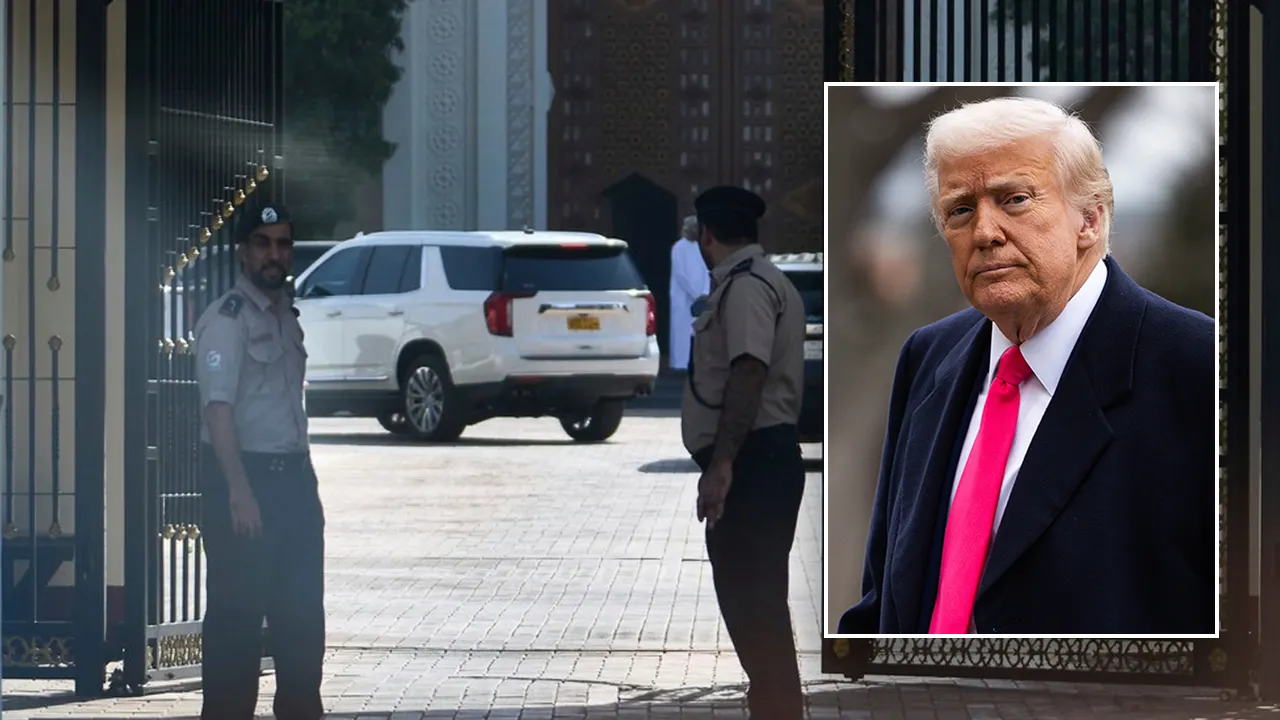
President Donald Trump expressed confidence that an agreement could soon be reached to complete the conflict with Iran, stating that a second round of talks could take place as early as this weekend. His remarks came amid ongoing developments in the Middle East, including a newly implemented ceasefire between Israel and Lebanon that began on Thursday evening. The president emphasized the importance of diplomatic engagement whereas acknowledging that failure to reach a deal could lead to renewed hostilities.
Trump’s comments were made during a public appearance in Las Vegas, where he described the situation as progressing favorably. He reiterated his belief that the United States holds significant leverage in negotiations and urged all parties to maintain restraint. The timing of his statements coincided with the commencement of a 10-day truce aimed at de-escalating tensions along the Israel-Lebanon border, a development he characterized as a potential stepping stone toward broader regional stability.
The ceasefire between Israel and Lebanon, which took effect at 5 p.m. Eastern Time on Thursday, was announced by the White House following discussions between Israeli Prime Minister Benjamin Netanyahu and Lebanese President Joseph Aoun. Trump indicated that he plans to invite both leaders to Washington for what he described as the first substantive dialogue between the two nations since 1983. However, questions quickly arose regarding the implementation of the agreement, with the Lebanese military reporting alleged violations by Israeli forces shortly after the truce began.
According to reports from Beirut, Lebanese army officials accused Israel of committing multiple acts of aggression in southern Lebanon, including intermittent shelling, despite the ceasefire being in effect. These claims were countered by Israeli authorities, who maintained that their forces would not withdraw from positions in the region. Hezbollah, the Iran-backed group operating within Lebanon, reiterated its stance that any agreement must not permit Israeli troops to remain on Lebanese soil, further complicating the fragile truce.
Despite these tensions, Trump remained optimistic about the prospects for diplomacy with Iran. He suggested that backchannel communications could lead to a formal meeting between U.S. And Iranian representatives in the near future, possibly as soon as the weekend. The president framed the potential talks as an opportunity to resolve what he described as a prolonged standoff, though he warned that military action could resume if negotiations fail.
The broader context of U.S.-Iran relations remains defined by mutual distrust and competing strategic interests. While Trump has positioned himself as a proponent of direct engagement, his administration has also maintained a strong military presence in the region, including naval deployments and readiness to rearm forces if diplomatic efforts collapse. Officials have emphasized that the United States is prepared to respond decisively should Iran violate any prospective agreement or resume hostile activities.
Analysts note that the success of any upcoming talks will depend on overcoming deep-seated disagreements, particularly regarding Iran’s nuclear program, its regional influence, and the role of proxy groups like Hezbollah. Previous attempts at negotiation have foundered on issues of verification, sanctions relief, and security guarantees. The current environment, marked by both diplomatic overtures and military posturing, underscores the complexity of achieving a lasting resolution.
For now, the focus remains on the immediate term: whether the Israel-Lebanon ceasefire can hold long enough to create space for dialogue, and whether the window of opportunity for U.S.-Iran engagement will lead to substantive progress. As of Friday morning, no official confirmation had been issued regarding a specific time or location for weekend talks, though the administration has signaled its willingness to explore diplomatic channels.
Moving forward, observers will be watching for any formal announcements from the White House or State Department regarding scheduled meetings with Iranian officials. The next confirmed diplomatic checkpoint will depend on public statements from authorized representatives, which have not yet been made available. Until then, the situation remains fluid, with both the potential for de-escalation and the risk of escalation present in equal measure.
We encourage readers to share their thoughts on these developments in the comments section below and to spread awareness by sharing this article with others who may be following the evolving situation in the Middle East.
Keep reading
- Song Young-gil Criticizes Presidential Consecutive Term Debate and Special Counsel Power
- Hong Kong Diner Explosion: Tao Heung Hot Pot Portable Stove Explodes After Gas Leak Suspected
- The Senate Blue Slip, Explained: The Custom Trump Wants Gone (daybreakwire.com)
- Baker Mayfield Feels Undervalued as Buccaneers Contract Talks Hit a Wall (time.news)