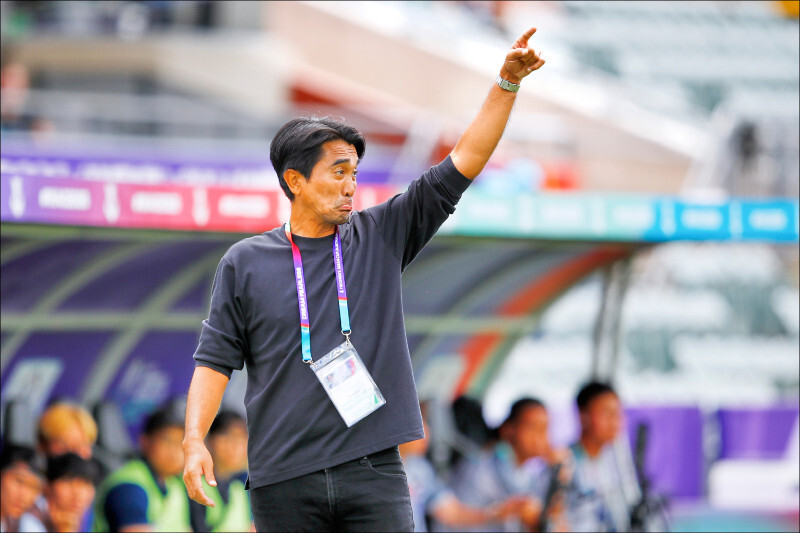
The Chinese Taipei women’s national football team is facing a significant internal crisis after multiple players publicly accused the Chinese Taipei Football Association (CTFA) of “total dysfunction” in managing the squad, according to recent reports from Taiwanese media outlets. The allegations, which emerged through a signed petition by national team players, prompted the CTFA to launch an investigation into team operations and coaching staff performance.
The controversy centers on claims that systemic failures within the association have compromised training, preparation, and overall support for the women’s national team, leading to widespread dissatisfaction among athletes. Players involved in the petition have demanded immediate action, including the removal of the head coach and a restructuring of the technical staff, citing a breakdown in communication and accountability.
In response to the growing pressure, the CTFA confirmed it had received the players’ formal complaint and initiated a review process, stating that findings would be used to determine appropriate next steps regarding leadership and team management. The investigation was said to focus on governance, resource allocation, and the effectiveness of current coaching methodologies.
As of mid-April 2026, reports indicated that the CTFA was nearing a decision on the future of the head coach, with some sources suggesting a potential announcement could arrive before April 20, 2026. However, no official confirmation of a coaching change had been issued by the association at the time of writing.
The situation has drawn attention from sports analysts and advocates for gender equity in athletics, who note that such player-led actions are rare but increasingly reflective of athletes asserting greater influence over their sporting environments. Observers have emphasized the importance of transparent governance and athlete welfare in national team programs.
Background on the Players’ Petition
The petition, signed by multiple members of the Chinese Taipei women’s national team, was described by Taiwanese media as a formal expression of lost confidence in the CTFA’s ability to support elite athletic performance. Whereas the exact number of signatories was not independently verified in available English-language sources, the act of collective player advocacy marked a notable moment in the territory’s women’s football history.

According to reports from outlets such as TSNA and Go Goal, the players’ primary grievances included inadequate training facilities, inconsistent medical support, and a lack of strategic planning from the coaching staff. These concerns were framed not as isolated incidents but as evidence of broader organizational shortcomings.
Importantly, the petition did not target individual coaches personally but rather questioned the systemic capacity of the football association to fulfill its duties. The phrase “total dysfunction” used in the players’ message was reported to reflect their belief that multiple layers of management were failing in coordination and execution.
Such direct player intervention is uncommon in Taiwanese sports governance, where athletes have traditionally had limited public avenues to critique institutional performance. The decision to go public with their concerns suggested a breakdown in internal feedback mechanisms.
CTFA’s Investigative Response
Following receipt of the petition, the Chinese Taipei Football Association stated it had launched a comprehensive review of the women’s national team program. The association said the process would examine coaching effectiveness, player welfare protocols, and operational logistics.
CTFA officials indicated that the investigation would include interviews with players, coaching staff, and administrative personnel, as well as an assessment of training schedules, match preparation, and support services. The goal, according to the association, was to identify specific areas requiring improvement and to formulate corrective actions.
The timeline for completion of the review was reportedly tied to late April 2026, with some media suggesting a decision point around April 20. However, the CTFA did not publicly confirm this date as a firm deadline, and no official statement specified when conclusions would be released.
In its initial response, the association acknowledged receipt of the players’ concerns and emphasized its commitment to addressing legitimate issues raised by national team members. It framed the investigation as a step toward strengthening trust and transparency within the program.
Demands for Leadership Change
A central demand emerging from the players’ petition was the immediate removal of the women’s national team head coach. While the coach’s name was not consistently reported across Taiwanese media sources, the call for change was tied to perceptions of inadequate tactical leadership and poor player-coach relations.
Supporters of the players’ position argued that a coaching change was necessary to reset team culture and restore confidence in the program’s direction. They cited recent competitive results and training environment concerns as justification for new leadership.
Conversely, other observers cautioned against hasty decisions, noting that coaching transitions could disrupt team continuity, especially ahead of upcoming international fixtures. The potential impact on player morale and team cohesion was highlighted as a key consideration in any leadership evaluation.
The CTFA has not indicated whether it would accede to the players’ request for a coaching change, stating instead that all findings from the investigation would be weighed carefully before any personnel decisions were made.
Broader Implications for Women’s Football in Chinese Taipei
The controversy has sparked wider discussion about the state of women’s football in Chinese Taipei, including funding levels, development pathways, and administrative priorities. Advocates have pointed to the incident as evidence of systemic underinvestment and structural neglect in the women’s game.
Comparisons have been drawn to the men’s national team program, which historically receives greater resources and media attention. Some commentators have suggested that the women’s team’s public stand could catalyze reforms aimed at achieving greater equity in support and opportunity.
International sports governance bodies have increasingly emphasized the importance of athlete voice in decision-making processes, particularly regarding safety, fairness, and performance conditions. The Chinese Taipei situation adds to a growing global trend of national team players advocating for institutional accountability.
As of now, the focus remains on the CTFA’s investigation and its eventual recommendations. The outcome will likely influence not only the immediate future of the women’s national team but also broader perceptions of how sports organizations respond to athlete-led initiatives for change.
What Comes Next
The next formal step in the process awaits the completion of the CTFA’s internal review. Once the association concludes its investigation, It’s expected to issue a public statement outlining its findings and any consequent actions, which may include coaching adjustments, administrative reforms, or enhanced player support measures.
No specific date for the release of these findings has been confirmed by the CTFA in verifiable sources. Athletes, fans, and stakeholders are advised to monitor the association’s official website and authorized communications channels for updates.
This situation underscores the evolving dynamics between national sports federations and the athletes they represent, particularly in an era where player advocacy plays an increasingly visible role in shaping team environments and organizational accountability.
Readers are encouraged to follow official announcements from the Chinese Taipei Football Association for verified developments regarding the women’s national team program.