
In recent months, a novel approach to addressing cognitive decline has drawn attention from the scientific community and the public alike: a nasal spray formulated with stem cell-derived extracellular vesicles. Researchers from Texas A&M University have reported that this intranasal treatment demonstrated promising effects in preclinical models, including reduced brain inflammation, restored mitochondrial function, and improved memory performance.
The study, led by Dr. Ashok K. Shetty, professor and associate director of the Institute for Regenerative Medicine at Texas A&M, was published in the Journal of Extracellular Vesicles. According to the findings, the spray targets two key cellular pathways—NLRP3 and cGAS-STING—that, when overactivated, contribute to neuroinflammation and neuronal damage associated with aging and neurodegenerative conditions like Alzheimer’s disease.
In aged animal models, administration of the nasal spray led to a noticeable decrease in astrocyte hypertrophy and microglial clustering, both markers of chronic brain inflammation. Simultaneously, the treatment increased the expression of antioxidant proteins and genes involved in maintaining mitochondrial respiratory chain function, suggesting a dual action against oxidative stress and energy deficits in brain cells.
These biological changes were accompanied by measurable improvements in cognitive performance, with treated subjects showing enhanced capacity to process and store information. Importantly, the intranasal delivery method allows the therapeutic vesicles to bypass the blood-brain barrier, offering a non-invasive route for potential future applications in human health.
While the results are encouraging, experts emphasize that the research remains in the preclinical stage. Extensive clinical trials will be necessary to determine safety, optimal dosing, and long-term efficacy in humans before any therapeutic claims can be substantiated.
How Stem Cell-Derived Vesicles May Influence Brain Aging
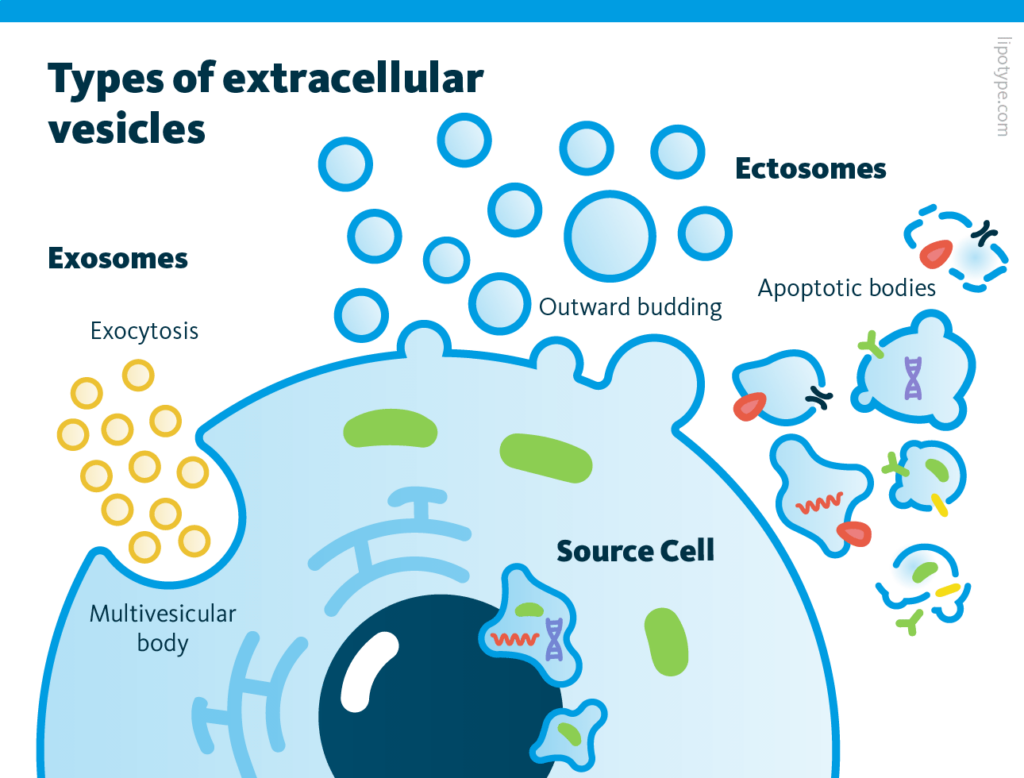
Extracellular vesicles are little, membrane-bound particles released by cells that carry proteins, lipids, and genetic material. They play a role in intercellular communication and can influence the behavior of recipient cells. When derived from neural stem cells, these vesicles may carry regenerative signals that help modulate inflammation and support cellular repair in the brain.
The nasal spray used in the Texas A&M study contains vesicles isolated from human neural stem cells. Once administered intranasally, the vesicles are believed to travel along olfactory and trigeminal nerve pathways to reach the central nervous system, where they may exert their effects on immune cells in the brain, particularly microglia and astrocytes.
By suppressing the overactivation of the NLRP3 inflammasome and the cGAS-STING pathway—both implicated in chronic inflammation and cellular senescence—the treatment appears to shift the brain’s immune environment from a destructive to a more supportive state. This shift correlates with reduced oxidative stress and improved mitochondrial health, two factors increasingly recognized as central to cognitive resilience in aging.
From Lab Findings to Real-World Implications
The potential implications of this research extend beyond Alzheimer’s disease to other forms of age-related cognitive decline. With global populations aging rapidly, the demand for accessible, low-risk interventions to preserve brain function is growing. A nasal spray, if proven safe and effective, could offer a scalable alternative to more invasive or costly treatments.

Dr. Shetty has noted that the approach aligns with a broader need for innovative strategies to mitigate both the risk and severity of neurodegenerative disorders. However, he and other researchers caution against overinterpretation of early-stage data. The transition from animal models to human patients involves significant hurdles, including regulatory scrutiny, manufacturing consistency, and long-term monitoring for unintended effects.
As of now, no clinical trials involving this specific nasal spray have been announced publicly. The next steps will likely involve further preclinical validation, followed by an investigational new drug (IND) application if researchers pursue human testing.
What So for Patients and Caregivers
For individuals experiencing mild cognitive impairment or concerned about familial risk of dementia, developments in regenerative medicine may offer hope. Yet medical professionals stress the importance of relying on evidence-based approaches currently available, such as cognitive training, physical activity, blood pressure management, and social engagement—all of which have demonstrated benefits in large-scale studies.
Patients and caregivers are advised to consult neurologists or geriatric specialists before considering any experimental therapies. Participation in registered clinical trials through reputable institutions remains the safest way to access emerging treatments under medical supervision.
While the nasal spray is not yet available outside of laboratory settings, its mechanism of action highlights a growing scientific focus on harnessing the body’s own repair systems—particularly those involving stem cell signaling—to combat the biological processes underlying brain aging.
Looking Ahead: Next Steps in Research
The study published in the Journal of Extracellular Vesicles represents one step in a longer scientific journey. Future research will need to clarify the durability of the observed effects, identify biomarkers that predict treatment response, and assess whether repeated dosing is necessary to maintain benefits.
scientists will need to compare this approach with other intranasal therapies under investigation, such as those delivering insulin or monoclonal antibodies, to understand relative advantages in terms of accessibility, cost, and biological impact.
Until more data emerge, the scientific consensus remains clear: promising preclinical results are necessary but not sufficient to justify clinical use. Rigorous, transparent, and peer-reviewed investigation is essential before any new intervention can be recommended for widespread application.
As research continues, institutions like Texas A&M and others in the regenerative medicine space will play a critical role in determining whether intranasal vesicle therapy can transition from a promising laboratory observation to a tangible tool in the fight against cognitive decline.
For now, the focus remains on rigorous science, patient safety, and the pursuit of therapies that are not only innovative but also demonstrably effective and accessible to those who need them most.
Worth a look