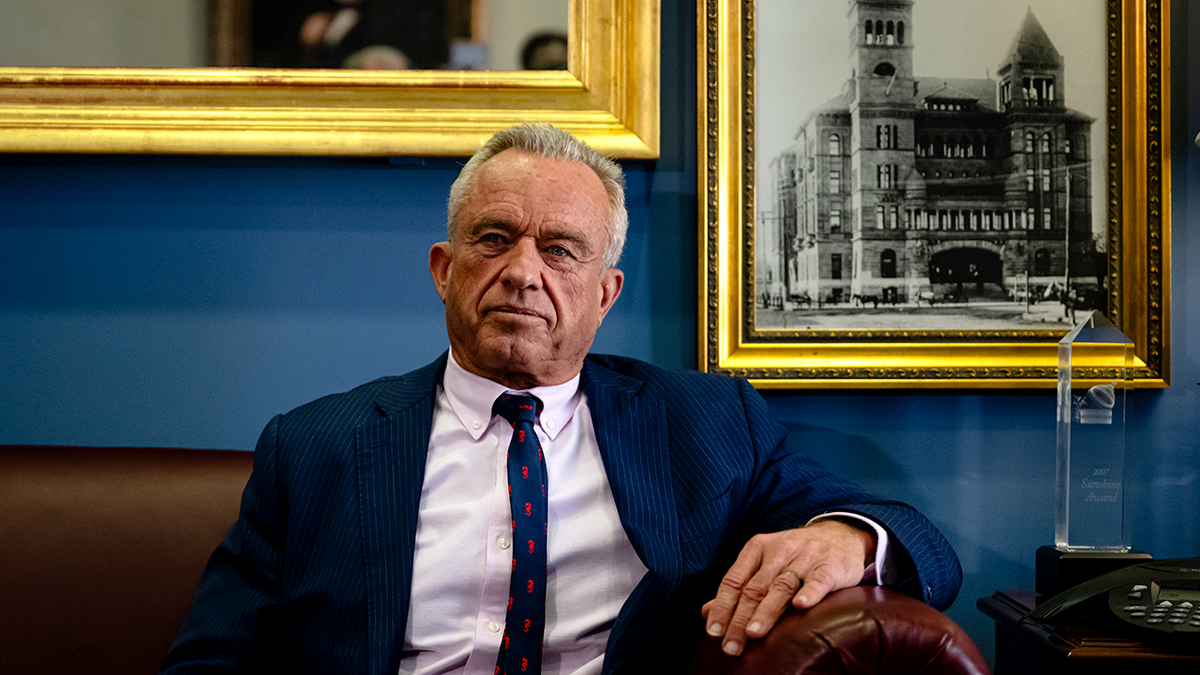
President Donald Trump’s proposed federal budget cuts have drawn sharp criticism from Robert F. Kennedy Jr., the Secretary of Health and Human Services, who publicly expressed dissatisfaction with the administration’s spending reductions during a recent congressional hearing. Kennedy’s remarks highlighted growing tension within the administration over healthcare funding priorities, particularly as the administration seeks to trim billions from federal health programs while Kennedy advocates for expanded access to certain medical services and preventive care initiatives.
The friction between Trump’s fiscal conservatism and Kennedy’s more expansive vision for public health surfaced during a House Energy and Commerce Committee hearing, where Kennedy defended his agenda amid scrutiny over vaccine policy shifts and proposed reforms to federal health agencies. While Kennedy has previously been known for skeptical views on vaccines, his recent testimony signaled a notable shift in tone, emphasizing collaboration with scientific consensus and underscoring the importance of maintaining public trust in immunization programs—a departure that drew attention from lawmakers across the aisle.
According to verified reports from the hearing, Kennedy acknowledged the need for fiscal responsibility but argued that indiscriminate cuts to public health infrastructure could undermine long-term wellness outcomes and increase future costs. He specifically pointed to concerns about reduced funding for chronic disease prevention, mental health services and community health centers, warning that such measures might disproportionately affect low-income and rural populations.
Trump’s budget proposal, released earlier in the week, calls for significant reductions in discretionary spending across multiple departments, including a proposed 13% cut to the Department of Health and Human Services (HHS) budget. The plan includes restructuring grants to states, tightening eligibility for certain Medicaid waivers, and proposing block grants that would give states more flexibility but less guaranteed federal funding—a move critics say could lead to coverage gaps during economic downturns or public health emergencies.
Kennedy’s pushback reflects a broader debate within the Republican Party about the role of government in healthcare, particularly as Trump seeks to fulfill campaign promises to reduce the federal deficit while maintaining political support among voters who value access to medical care. Some GOP lawmakers have echoed Kennedy’s concerns, urging a more targeted approach to spending reductions that preserves essential services while eliminating waste and fraud.
The administration has defended its budget as necessary to curb inflation and reduce the national debt, which surpassed $34 trillion in early 2025. Officials argue that streamlining federal programs and encouraging state-level innovation will ultimately improve efficiency without sacrificing quality of care. Yet, healthcare analysts at the Congressional Budget Office have warned that certain proposals could lead to millions losing coverage over the next decade, particularly if states do not increase their own spending to compensate for federal reductions.
Kennedy’s appointment as HHS secretary had already been controversial due to his history of promoting vaccine skepticism and alternative health theories. His recent congressional appearance, however, was seen by some observers as an effort to reestablish credibility with mainstream medical institutions and reassure lawmakers that he will uphold science-based policies despite his past statements. During the hearing, he repeatedly affirmed his commitment to FDA-approved vaccines and encouraged parents to follow recommended immunization schedules, a stark contrast to earlier public comments in which he questioned vaccine safety protocols.
Lawmakers from both parties questioned Kennedy on specific policy proposals, including his support for reevaluating certain food additives and environmental toxins linked to childhood neurodevelopmental disorders. While Kennedy emphasized the need for further research into these areas, he stopped short of calling for immediate regulatory bans, instead advocating for improved transparency in food labeling and increased funding for independent studies on long-term health impacts.
The hearing also touched on ongoing efforts to reform the FDA and CDC, two agencies under HHS jurisdiction that Kennedy has pledged to modernize. He described plans to reduce bureaucratic delays in approving certain medical technologies while maintaining rigorous safety standards—a balance he argued could accelerate innovation without compromising patient protection. Critics, however, remain skeptical, noting that any perceived weakening of regulatory oversight could pose risks, particularly in the approval of new pharmaceuticals or gene therapies.
As the budget process moves forward, the administration faces mounting pressure to reconcile competing priorities: fulfilling Trump’s mandate for fiscal restraint while addressing bipartisan concerns about healthcare access and public health readiness. The outcome will likely depend on negotiations in the House and Senate, where moderates from both parties may seek to amend the proposal to preserve critical programs.
For now, Kennedy’s public dissent marks a rare moment of intra-administration disagreement on fiscal policy, underscoring the complexity of governing a coalition that includes fiscal conservatives, populist reformers, and public health advocates. His willingness to challenge the president’s budget—even indirectly—suggests he intends to act as an independent voice within the administration, particularly on issues he views as central to national well-being.
Looking ahead, the next major checkpoint is the Senate Finance Committee’s review of the budget resolution, expected to begin in early May 2026. Hearings will focus on the long-term implications of proposed Medicaid reforms and potential impacts on state budgets. Official updates will be available through the Congressional Budget Office website and the House Committee on the Budget’s official portal.
We encourage readers to share their thoughts on this developing story in the comments below and to follow World Today Journal for continued coverage of federal budget debates and healthcare policy developments.
Worth a look