
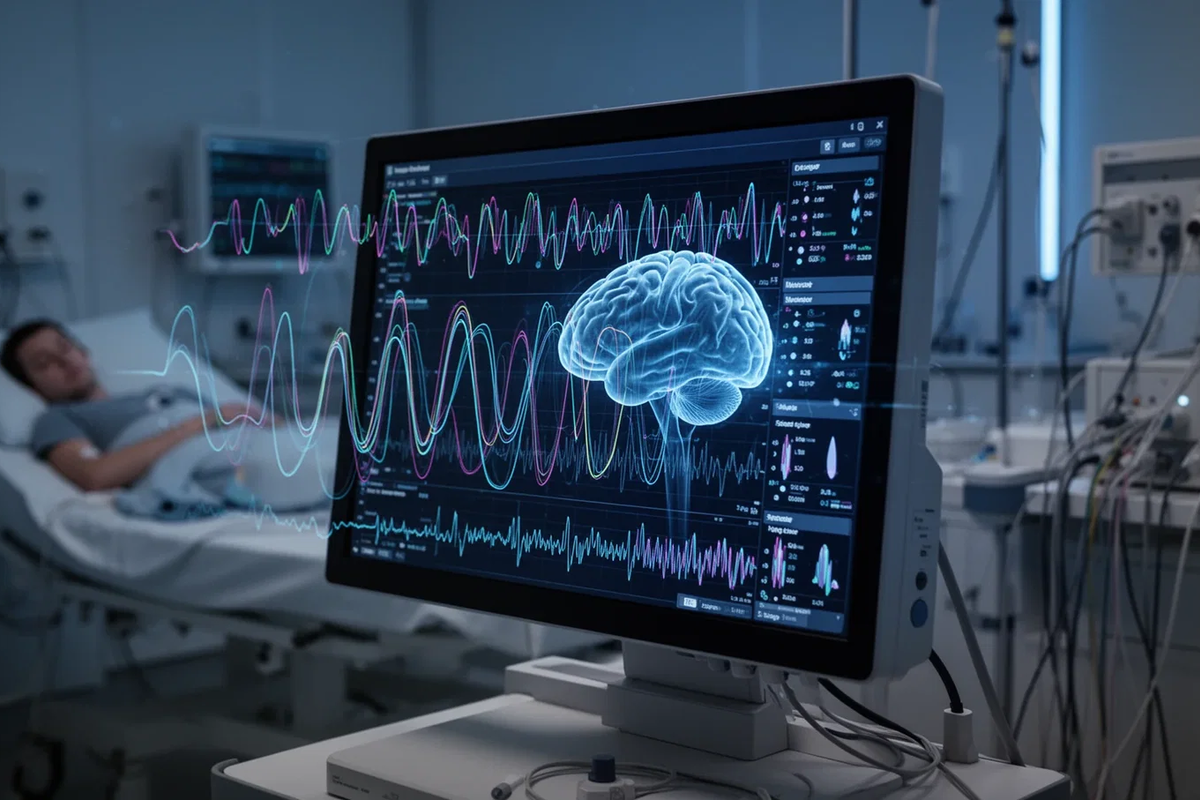
AI and Blood Tests Transform Early Dementia Detection
Recent advances in artificial intelligence and blood-based biomarkers are reshaping how clinicians approach the early detection of dementia, offering hope for interventions years before symptoms become apparent. Researchers worldwide are leveraging machine learning algorithms to analyze subtle changes in blood proteins, metabolites, and gut microbiome markers that may signal neurodegenerative processes long before memory loss or confusion emerges.
These innovations address a critical gap in neurology: the lack of reliable, accessible tools for identifying dementia risk in its preclinical phase. Current diagnostic methods often rely on cognitive assessments or expensive brain imaging, which typically detect changes only after significant neuronal damage has occurred. By contrast, emerging blood tests combined with AI analysis aim to flag at-risk individuals during a window when preventive strategies—such as lifestyle modifications or emerging therapies—may still be effective.
One promising direction involves examining the gut-brain axis, where alterations in intestinal bacteria and their metabolic byproducts have been linked to early signs of cognitive decline. Studies suggest that specific microbial imbalances can influence inflammation and protein misfolding in the brain, processes central to Alzheimer’s disease and related dementias. Researchers at institutions including the University of East Anglia have identified measurable shifts in blood metabolites tied to gut microbiome activity that correlate with future cognitive impairment, potentially detectable years before clinical diagnosis.
Meanwhile, AI-driven analysis of blood samples is enhancing the predictive power of biomarker panels. By processing complex patterns across hundreds of molecular signals—including phosphorylated tau proteins, neurofilament light chain, and glial fibrillary acidic protein—machine learning models can distinguish between normal aging and early neurodegenerative changes with increasing accuracy. A 2024 study published in Nature Medicine demonstrated that an AI algorithm analyzing plasma biomarkers predicted Alzheimer’s onset up to six years before symptom onset with over 80% accuracy in cohort studies.
These developments are particularly significant given the global rise in dementia cases. According to the World Health Organization, over 55 million people live with dementia worldwide, a number projected to reach 78 million by 2030 and 139 million by 2050. Early detection could alleviate immense personal, familial, and societal burdens by enabling timely access to support services, clinical trials, and risk-reduction interventions.
Experts caution that while blood tests show promise, they are not yet standalone diagnostic tools. Current guidelines emphasize their use in conjunction with clinical evaluation and, when indicated, confirmatory testing such as PET scans or lumbar puncture. Regulatory bodies including the European Medicines Agency and the U.S. Food and Drug Administration are actively reviewing several biomarker-based tests for potential approval in neurodegenerative disease risk assessment.
Ongoing research focuses on validating these tools across diverse populations, as genetic, environmental, and lifestyle factors may influence biomarker expression. Initiatives like the Alzheimer’s Association’s Global Biomarker Standardization Consortium aim to ensure consistency in test performance and interpretation across laboratories and regions.
For individuals concerned about cognitive health, medical professionals recommend discussing risk factors—including family history, cardiovascular health, and lifestyle habits—with a healthcare provider. While no blood test can currently predict dementia with certainty, emerging technologies are moving the field toward a future where early intervention becomes a realistic possibility.
The next major milestone in this field is expected later in 2026, when results from the European Prevention of Alzheimer’s Dementia (EPAD) longitudinal study are scheduled for release, potentially offering further validation of blood-based predictive models in at-risk cohorts.
Stay informed about breakthroughs in dementia research and share this article to help raise awareness about the importance of early detection.