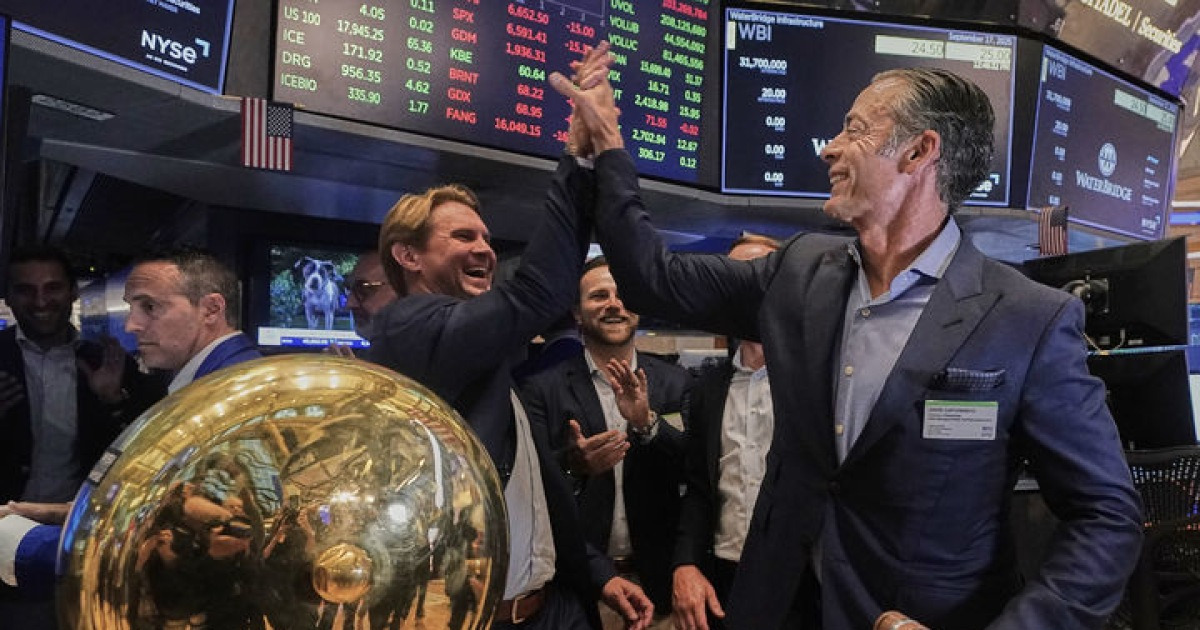
Global stock markets showed resilience on Wednesday as investors reacted positively to diplomatic developments in the Middle East, pushing major U.S. Indices to fresh record highs. The Dow Jones Industrial Average climbed 115 points, or 0.24%, to close at 48,578.72, while the S&P 500 advanced 18.33 points, or 0.26%, to settle at 7,041.28. The Nasdaq Composite gained 86.69 points, or 0.36%, ending the session at 24,102.70. These gains came amid renewed optimism over potential ceasefire talks involving Israel, Lebanon, and Iran, which helped offset concerns about regional instability.
Market analysts noted that the upward momentum was driven by a combination of easing geopolitical tensions and solid corporate earnings from select sectors, although some major technology and consumer discretionary stocks faced pressure. Notably, Netflix shares declined sharply in after-hours trading following its first-quarter earnings report, which met profit expectations but fell short on second-quarter revenue guidance. Meanwhile, semiconductor companies like AMD and Intel saw gains after upward revisions from analysts and improved sentiment around AI-driven demand.
The rally extended a streak of consecutive record closes for the S&P 500 and Nasdaq, with both indices reaching intraday peaks above their closing levels. According to trading data, the S&P 500 touched an intraday high of 7,051.23, while the Nasdaq peaked at 24,156.18 during the session. This marked another instance of broad-based market strength despite mixed sector performance, as energy and utility stocks led gains while healthcare, industrials, and financials lagged.
Geopolitical developments played a central role in shaping investor sentiment. U.S. President Donald Trump announced via social media that a ceasefire between Israel and Lebanon would begin at 5:00 p.m. Eastern Time, inviting Lebanese President Joseph Aoun and Israeli Prime Minister Benjamin Netanyahu to the White House for discussions. However, the announcement sparked domestic criticism in Israel, where officials noted the ceasefire had not been approved by the Israeli cabinet, raising questions about its immediate viability.
Trump also expressed optimism about ongoing negotiations with Iran, suggesting that a second round of talks could occur over the weekend. This outlook contributed to reduced fears of escalation in the broader Middle East conflict, which had previously triggered spikes in oil prices and market volatility. The CBOE Volatility Index (VIX), often referred to as Wall Street’s “fear gauge,” declined 1.27 points to close at 17.94, reflecting diminished investor anxiety.
From a sector perspective, energy and real estate led the advances, each rising more than 1% on the day. In contrast, healthcare, industrials, financials, and consumer discretionary stocks declined, illustrating a rotation away from defensive and cyclical holdings toward areas perceived as benefiting from lower geopolitical risk. Financial stocks were weighed down by mixed results, including Charles Schwab, which reported record first-quarter profits but saw its stock drop over 7% due to revenue falling short of estimates.
Despite the mixed earnings landscape, the broader market’s ability to advance to modern highs underscored the dominant influence of macroeconomic and geopolitical narratives over individual company performance in the short term. Investors appeared to prioritize the de-escalation of regional conflicts and the potential for diplomatic breakthroughs, particularly those involving U.S.-led mediation efforts.
Looking ahead, market participants will continue to monitor developments in Middle Eastern diplomacy, including any follow-up meetings between U.S. Officials and regional leaders. The next key checkpoint is the anticipated weekend round of talks with Iran, which could further shape risk appetite if progress is reported. Official statements from the White House or State Department regarding negotiation timelines or outcomes will be closely watched for cues on sustained market stability.
For ongoing coverage of global financial markets and their intersection with international events, readers are encouraged to follow trusted financial news sources and official government channels. Share your thoughts on how diplomacy influences market behavior in the comments below, and feel free to share this article with others interested in the interplay between geopolitics and finance.
Related reading