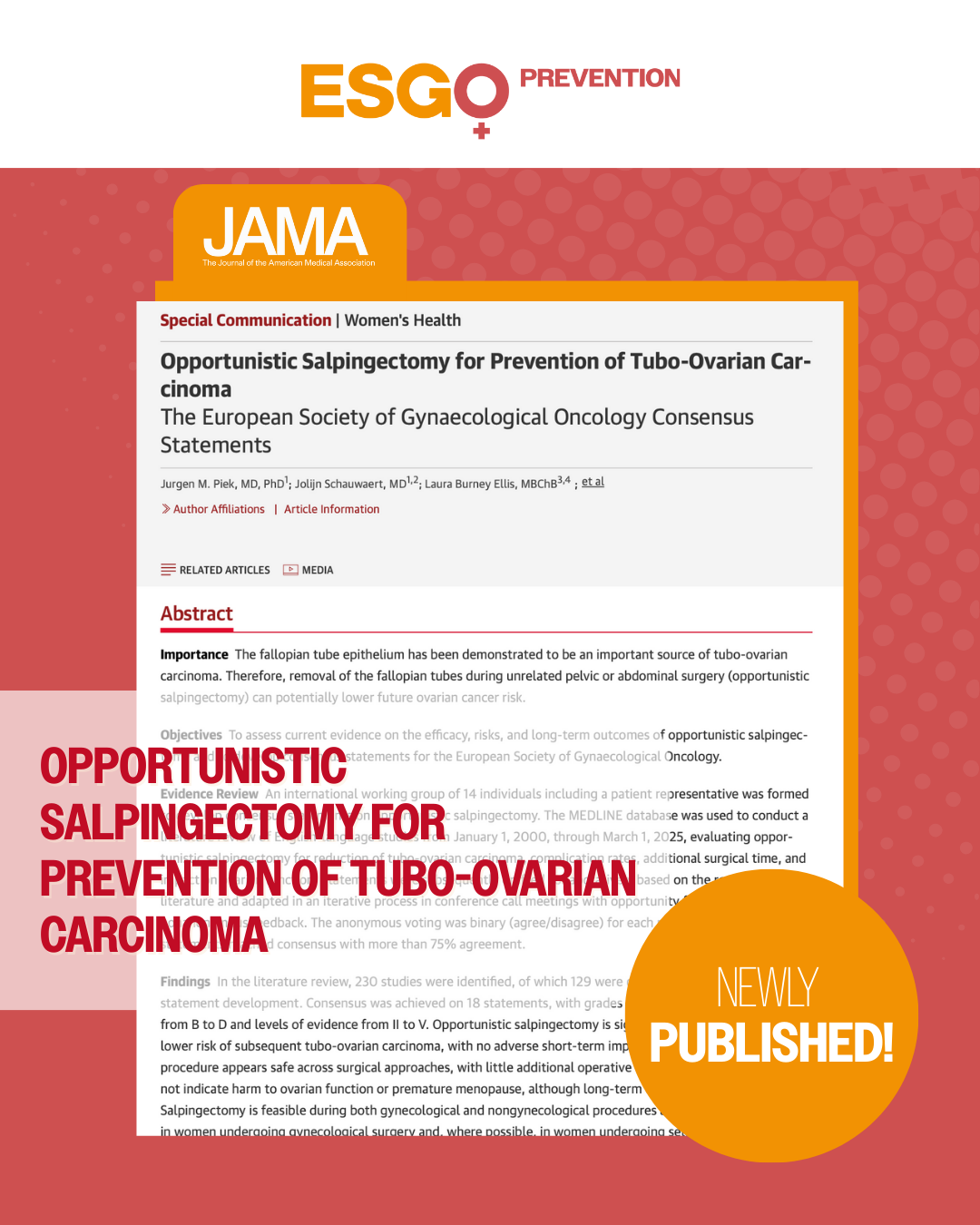
Opportunistic salpingectomy—the removal of the fallopian tubes during routine gynecological surgeries—has emerged as a significant strategy for the prevention of tubo-ovarian carcinoma. Current medical discourse focuses on whether this prophylactic approach, which aims to reduce the risk of high-grade serous ovarian cancer, should be integrated more broadly into clinical practice during procedures such as hysterectomies or tubal ligations. Recent academic exchanges between medical experts have underscored the necessity of balancing surgical risks with the long-term potential for cancer reduction.
As a physician, I frequently address the complexities of risk-reduction strategies in reproductive health. The fundamental challenge lies in determining the specific patient populations that derive the greatest benefit from opportunistic salpingectomy while minimizing unnecessary surgical morbidity. The procedure, which involves the complete removal of the fallopian tubes while preserving the ovaries, is based on the evolving understanding that many epithelial ovarian cancers originate in the fimbriated end of the fallopian tube, rather than the ovary itself, according to research published by the American College of Obstetricians and Gynecologists (ACOG).
Clinical Considerations and Surgical Outcomes
The primary clinical justification for opportunistic salpingectomy is the significant reduction in the lifetime risk of ovarian cancer among average-risk women. Unlike oophorectomy, which induces surgical menopause by removing the ovaries, salpingectomy allows for the retention of ovarian function and hormone production. This distinction is critical, as it avoids the immediate health consequences of premature menopause, such as cardiovascular risk and bone density loss, as noted by the Society of Gynecologic Oncology (SGO). However, surgeons must still account for the incremental increase in operative time and the potential for brief, minor complications associated with the additional resection.
In practice, the decision to perform a salpingectomy during a hysterectomy or other pelvic surgery requires a nuanced discussion between the patient and the surgeon. The patient must be informed of the potential benefits regarding cancer prevention and the limitations of the procedure, as it does not eliminate the risk of all ovarian malignancies. Furthermore, the Royal College of Obstetricians and Gynaecologists (RCOG) emphasizes that while the procedure is technically feasible, the documentation of informed consent must clearly reflect the patient’s understanding of the risks and the elective nature of the tube removal.
Evaluating the Evidence for Cancer Prevention
The shift toward opportunistic salpingectomy is supported by data suggesting that the fallopian tube is a primary site of origin for high-grade serous carcinoma. By removing this tissue, clinicians potentially interrupt the pathway of carcinogenesis. Large-scale retrospective studies have shown that women undergoing hysterectomy with concurrent salpingectomy have a lower incidence of ovarian cancer compared to those who undergo hysterectomy alone, according to analyses published in the Lancet Oncology.
Despite these findings, the medical community remains cautious about universal application. There is a verified need for ongoing research into long-term outcomes to ensure that the procedure does not adversely affect ovarian blood supply or function in the years following the surgery. Clinical guidelines currently advise that the procedure should be offered to patients who are finished with childbearing and are already undergoing pelvic surgery for other indications, provided the surgeon is adequately trained in the technique.
Patient Counseling and Future Directions
Effective patient counseling is the cornerstone of implementing opportunistic salpingectomy. It is essential that patients understand that while the procedure is a powerful preventive tool, it is not a guarantee against all forms of cancer. Discussions should be tailored to the individual’s surgical history, baseline risk factors, and personal preferences. The National Cancer Institute (NCI) provides resources that can assist both clinicians and patients in evaluating the risks associated with various gynecological interventions.
The medical community continues to refine these protocols through peer-reviewed discourse. Future updates to clinical practice will likely depend on the accumulation of longitudinal data regarding the long-term safety and efficacy of the procedure. As we move forward, the focus will remain on standardizing surgical approaches and ensuring that the decision-making process remains centered on the patient’s specific health goals and needs.
For the most current updates on clinical guidance, practitioners and patients are encouraged to consult the latest practice bulletins from national gynecological associations. We welcome further professional discussion on these findings; please share your insights or questions in the comments section below as we continue to advance evidence-based care in women’s health.
Related reading