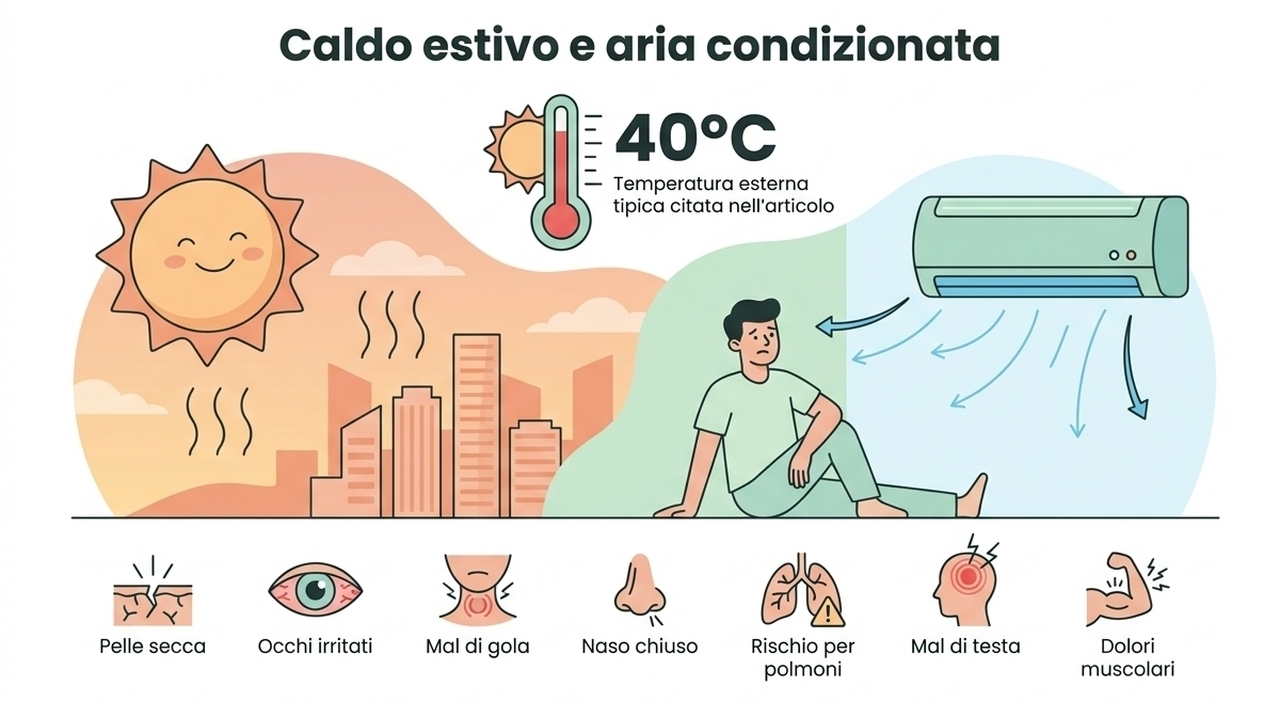
Prolonged exposure to air conditioning systems can contribute to a range of physiological symptoms, primarily affecting the respiratory system, skin, and ocular health. While these systems are essential for temperature regulation in extreme heat, improper maintenance and excessive use can lead to localized health issues such as dryness, irritation, and the spread of airborne pathogens. Understanding the balance between thermal comfort and environmental hygiene is critical for maintaining indoor health, according to public health guidance from organizations like the U.S. National Institute for Occupational Safety and Health (NIOSH).
As the Editor of the Health section at World Today Journal, I have observed that many patients in my clinical practice often overlook the environmental impact of their cooling systems. In many instances, the discomfort associated with air conditioning is not a direct result of the cold air itself, but rather the quality of the air being circulated and the rapid transition between different thermal environments.
Respiratory Risks and Air Quality
The respiratory system is often the first to react to poorly maintained air conditioning. When filters are not cleaned or replaced regularly, they can become breeding grounds for mold, dust mites, and bacteria. According to the U.S. Environmental Protection Agency (EPA), poor indoor air quality is a significant contributor to respiratory ailments, including allergic rhinitis, asthma exacerbations, and, in rare cases of neglected cooling towers, Legionnaires’ disease.
Furthermore, the dehumidification process inherent in air conditioning reduces ambient humidity. While this prevents mold growth in structures, it also dries out the mucous membranes in the nose and throat. This drying effect can reduce the body’s natural defense mechanisms, making individuals more susceptible to viral infections. Maintaining an indoor humidity level between 30% and 50% is generally recommended to mitigate these risks, as noted by the American Society of Heating, Refrigerating and Air-Conditioning Engineers (ASHRAE).
Ocular and Dermatological Effects
The eyes and skin are frequently affected by the desiccating nature of air-conditioned environments. Dry eye syndrome—characterized by stinging, burning, or a gritty sensation—is a common complaint among office workers exposed to constant airflow. The continuous movement of air increases the rate of tear evaporation. To manage this, ophthalmologists often recommend the use of preservative-free lubricating eye drops and suggest positioning desks away from direct air vents.
Skin health is similarly impacted. The low humidity levels can strip the skin of its natural moisture barrier, leading to transepidermal water loss. This can exacerbate existing conditions such as eczema or dermatitis. Dermatologists suggest that consistent use of moisturizers and maintaining adequate hydration levels are essential practices for those working or living in climate-controlled spaces for extended periods.
Managing Thermal Transitions
The most significant stressor on the human body is often the sudden transition between extreme outdoor heat and heavily air-conditioned indoor spaces. This “thermal shock” can cause blood vessels to constrict and dilate rapidly, which may result in headaches or feelings of lethargy. Experts suggest that the difference between the indoor and outdoor temperature should ideally not exceed 6 to 7 degrees Celsius. Gradual acclimation allows the body’s autonomic nervous system to adjust more effectively, reducing the risk of malaise.
Beyond temperature settings, regular maintenance remains the most effective preventive measure. Systems should be serviced annually by certified professionals to ensure that drainage pans are clear of standing water, which can harbor pathogens, and that filters are capturing particulate matter effectively. For those interested in monitoring their local air quality or building standards, the World Health Organization (WHO) provides ongoing resources regarding indoor air pollution and its systemic health impacts.
The health implications of air conditioning are largely manageable through awareness and proper facility upkeep. If you notice persistent symptoms such as chronic cough, skin rashes, or eye irritation that improve when you are away from your home or office, it may be time to consult with a primary care physician and evaluate your indoor environment. We encourage our readers to share their experiences with indoor air quality management in the comments below.
Worth a look