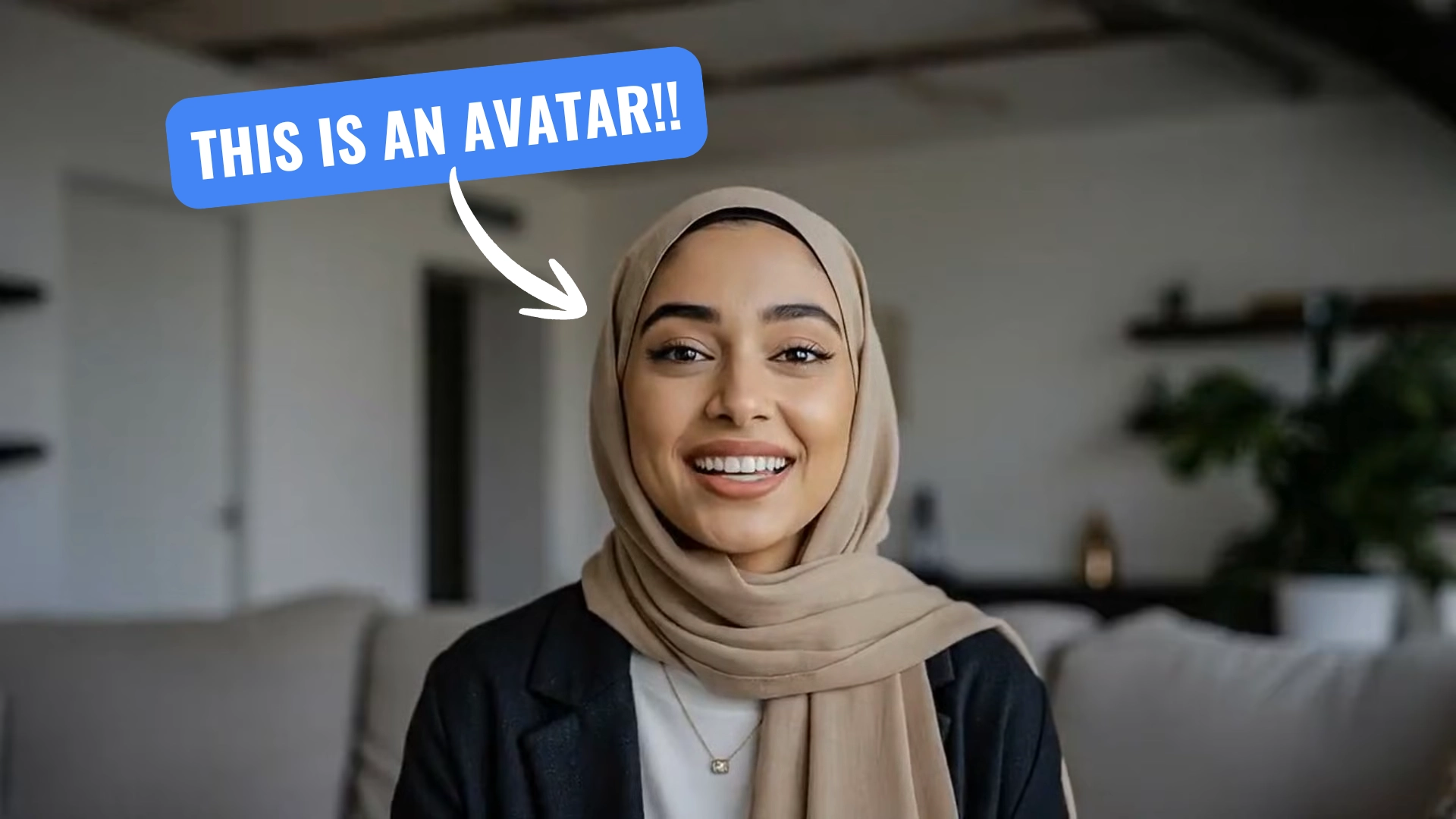
Google has introduced significant updates to its AI-powered video creation tool, Google Vids, enhancing its capabilities for enterprise and individual users alike. The latest improvements include expanded AI avatar controls, custom music integration, and direct publishing to YouTube, positioning the platform as a more robust option in the growing field of AI-assisted video production.
According to Google Workspace updates, users can now access a broader selection of AI avatars with distinct appearances and built-in voices, allowing for more personalized video narration without recording audio. These avatars are powered by Gemini models and support multiple languages including English, French, German, Italian, Japanese, Korean, Portuguese, and Spanish. Each avatar generation is subject to usage limits, with most users able to create up to 20 AI avatar videos per week, each lasting a maximum of 30 seconds, as outlined in Google’s official help documentation.
The ability to match AI avatar voices with corresponding AI voiceover options ensures vocal consistency across videos that combine both features. For example, selecting the “Coach” voiceover option aligns with the avatar named Olivia, helping maintain a uniform tone throughout a video. This synchronization is particularly useful for training modules, corporate announcements, and product demonstrations where voice consistency contributes to professionalism and clarity.
Custom music tracks can now be added directly within Google Vids, enabling users to enhance the emotional tone and pacing of their videos without relying on external editing tools. This feature supports a range of genres and moods, allowing creators to tailor background audio to suit content such as onboarding videos, policy explainers, or product walkthroughs.
Perhaps most notably, Google Vids now offers direct publishing to YouTube, streamlining the workflow for users who wish to share their videos publicly or within organizational channels. After creating a video, users can export it directly to their YouTube account without downloading and re-uploading, reducing friction in content distribution.
These updates build upon Google Vids’ initial launch in August 2025, when the tool was introduced as part of Google Workspace’s AI-driven suite. At launch, users could generate videos by typing a script, selecting an AI avatar persona, and previewing the result within minutes. The current enhancements reflect Google’s ongoing effort to compete with other AI video platforms by improving usability, creative control, and integration with existing Google services.
Access to these features requires an eligible Google Workspace or Google AI plan. Administrators can manage availability at the organizational level, with the option to enable or disable Google Vids for end users through the Admin Console. End users begin by navigating to vids.modern, clicking “AI Avatars,” entering a script, choosing a persona, and generating the video for preview.
As AI-generated video tools become increasingly prevalent in workplace communication and digital marketing, Google Vids’ latest upgrades aim to provide a secure, integrated alternative that leverages Google’s ecosystem. The emphasis on data privacy, usage controls, and seamless integration with YouTube and Workspace apps distinguishes it from standalone AI video generators.
For users seeking to create professional-quality videos without filming or voiceover talent, Google Vids offers a guided, template-supported experience. Its focus on short-form content—ideal for internal updates, microlearning, and social media snippets—aligns with current trends in concise, engaging visual communication.
To learn more about using AI avatars in Google Vids, including language support and generation limits, users can refer to Google’s official support page. Additional details about feature availability and administrative controls are available through the Google Workspace Updates blog.
Stay informed about future updates to Google Vids by following official Google Workspace announcements or visiting the Google Vids help center.
Share your thoughts on how AI avatars are changing video creation in the comments below, and consider sharing this article with colleagues exploring efficient ways to produce training or promotional content.
Related reading