
Shingles, known medically as herpes zoster, is a viral infection that causes a painful rash and can lead to serious complications if not treated promptly. Caused by the reactivation of the varicella-zoster virus—the same virus responsible for chickenpox—it primarily affects individuals who have had chickenpox earlier in life. After the initial infection, the virus remains dormant in nerve tissue and can reactivate years later, particularly when the immune system is weakened due to aging, stress, or certain medical conditions.
According to verified medical sources, shingles typically presents with a range of symptoms that initiate subtly before progressing to more distinct signs. Early indicators often include localized pain, burning, or tingling sensations on one side of the body or face, which may be mistaken for other conditions such as muscle strain or heart-related issues. These prodromal symptoms can last several days before the characteristic rash appears, making early recognition challenging but critical for timely intervention.
The hallmark symptom of shingles is a painful, blistering rash that usually develops in a single stripe or band-like pattern on one side of the torso, though it can also appear around the eye, on the face, or along a nerve pathway. The rash consists of fluid-filled blisters that break open and crust over within 7 to 10 days, with the skin typically healing completely within 2 to 4 weeks. Whereas, the pain associated with the rash—often described as sharp, burning, or electric shock-like—can persist long after the lesions have healed, a condition known as postherpetic neuralgia.
Beyond the rash, individuals with shingles may experience fever, chills, headache, and fatigue, which are common systemic responses to viral infection. Sensitivity to light and touch in the affected area is frequently reported, with even mild contact causing significant discomfort. In some cases, particularly when the rash involves the ophthalmic branch of the trigeminal nerve near the eye, shingles can lead to vision-threatening complications such as keratitis or uveitis, requiring urgent ophthalmological evaluation.
While less common, shingles can occur without a visible rash—a condition referred to as zoster sine herpete—making diagnosis more difficult and reliant on clinical suspicion and neurological symptoms. This atypical presentation underscores the importance of considering shingles in patients with unexplained neuropathic pain, especially in older adults or those with compromised immunity. Early antiviral treatment, when initiated within 72 hours of rash onset, can significantly reduce the severity and duration of symptoms and lower the risk of long-term complications.
Understanding the Progression of Shingles Symptoms
The onset of shingles follows a predictable sequence, beginning with non-specific sensations that gradually evolve into more definitive signs. During the initial phase, which may last from one to five days, patients often report deep aching, burning, or hypersensitivity in a localized dermatomal distribution—meaning the symptoms follow the path of a specific nerve. This stage is frequently accompanied by mild flu-like symptoms such as low-grade fever, malaise, and headache, though respiratory symptoms like cough or congestion are typically absent, helping differentiate it from influenza or common colds.

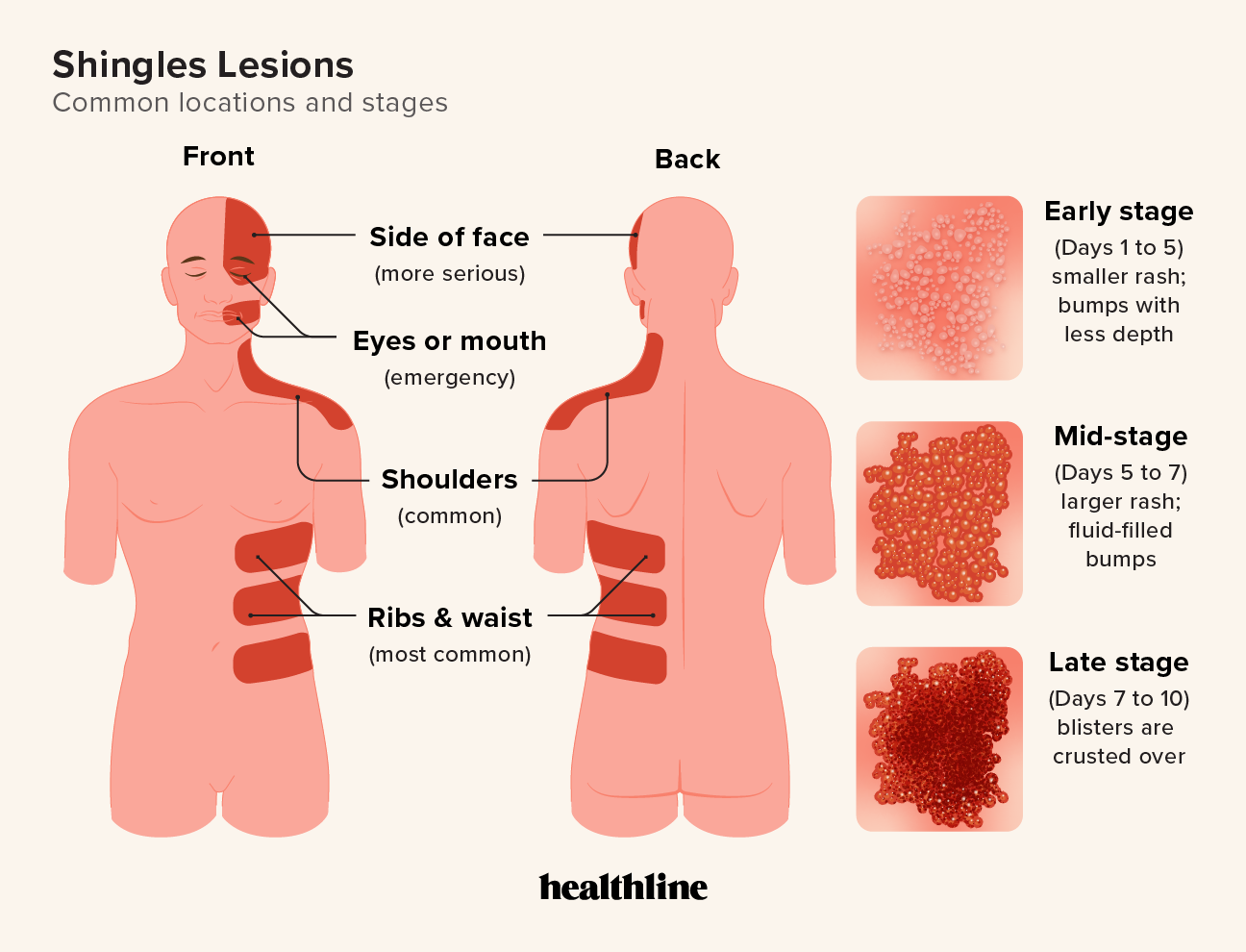
As the virus replicates and travels along sensory nerves to the skin, erythematous (red) macules emerge, quickly progressing to papules and then vesicles—small, fluid-filled blisters that are clear at first but may become cloudy or hemorrhagic over time. These lesions tend to cluster in bands and are almost always unilateral, respecting the midline of the body, a key diagnostic clue. New lesions may continue to appear for up to a week, after which they begin to dry, form scabs, and gradually heal, though pigment changes or scarring can persist in some individuals.
Neurological symptoms are central to the shingles experience, with pain often being the most debilitating aspect. This neuropathic pain results from viral inflammation and damage to nerve fibers and can manifest as allodynia (pain from normally non-painful stimuli) or hyperalgesia (increased sensitivity to painful stimuli). In older adults, the risk and severity of postherpetic neuralgia increase significantly, with studies indicating that up to 20% of individuals over 60 may develop this complication, highlighting the importance of preventive vaccination in this age group.
Who Is at Risk and How to Respond
Shingles can affect anyone who has had chickenpox, but advancing age is the most significant risk factor, with the majority of cases occurring in individuals over 50. The decline in cell-mediated immunity that accompanies aging allows the latent virus to reactivate more easily. Individuals with immunosuppressive conditions—such as HIV, leukemia, or lymphoma—or those undergoing treatments like chemotherapy, corticosteroids, or immunosuppressants for autoimmune diseases are at heightened risk, regardless of age.
While shingles itself is not contagious, the varicella-zoster virus can be transmitted from a person with active shingles to someone who has never had chickenpox or been vaccinated, potentially causing chickenpox in the exposed individual. Transmission occurs through direct contact with the fluid from the blisters, not through airborne droplets once lesions have crusted over. Covering the rash and practicing good hygiene are recommended to prevent spread, particularly around pregnant women, newborns, and immunocompromised persons who are vulnerable to severe chickenpox.
Medical evaluation is advised at the first sign of suspected shingles, especially if the rash appears near the eyes or involves widespread dermatomal involvement. Antiviral medications such as acyclovir, valacyclovir, or famciclovir are most effective when started early and can reduce viral shedding, accelerate healing, and decrease the likelihood of complications. Pain management may include topical agents, antidepressants, anticonvulsants, or, in severe cases, short-term opioids, tailored to the individual’s symptom profile and medical history.
Prevention Through Vaccination
The most effective strategy for reducing the burden of shingles is vaccination. The recombinant zoster vaccine (RZV), marketed as Shingrix, is recommended by health authorities for adults aged 50 and older, as well as for individuals 19 years and above who are or will be immunocompromised due to disease or therapy. Administered in two doses spaced two to six months apart, Shingrix has demonstrated over 90% efficacy in preventing shingles and related complications across multiple age groups, with protection remaining strong for at least seven years in clinical studies.
Unlike the older live attenuated vaccine (Zostavax), which is no longer available in many countries, Shingrix does not contain live virus and is therefore safer for use in immunocompromised populations. Common side effects are generally mild to moderate and include soreness at the injection site, fatigue, muscle pain, headache, and shivering—typically resolving within a few days. Severe allergic reactions are rare but require immediate medical attention.
Public health efforts continue to emphasize vaccination awareness, particularly among older adults and high-risk groups, to reduce the incidence of shingles and its associated burden on healthcare systems. Individuals are encouraged to consult their healthcare providers to determine their eligibility and discuss the timing of vaccination based on their medical background and current health status.
As of now, there are no upcoming public hearings or regulatory decisions specifically related to shingles vaccination guidelines that have been officially announced by major health authorities such as the World Health Organization or the U.S. Centers for Disease Control and Prevention. Readers seeking the most current information on shingles prevention, treatment, or vaccine availability are advised to consult official public health websites or speak directly with a licensed medical professional.
If you found this information helpful, consider sharing it with others who may benefit from understanding the signs, risks, and preventive measures related to shingles. Your insights and questions are welcome in the comments section below.
Worth a look