
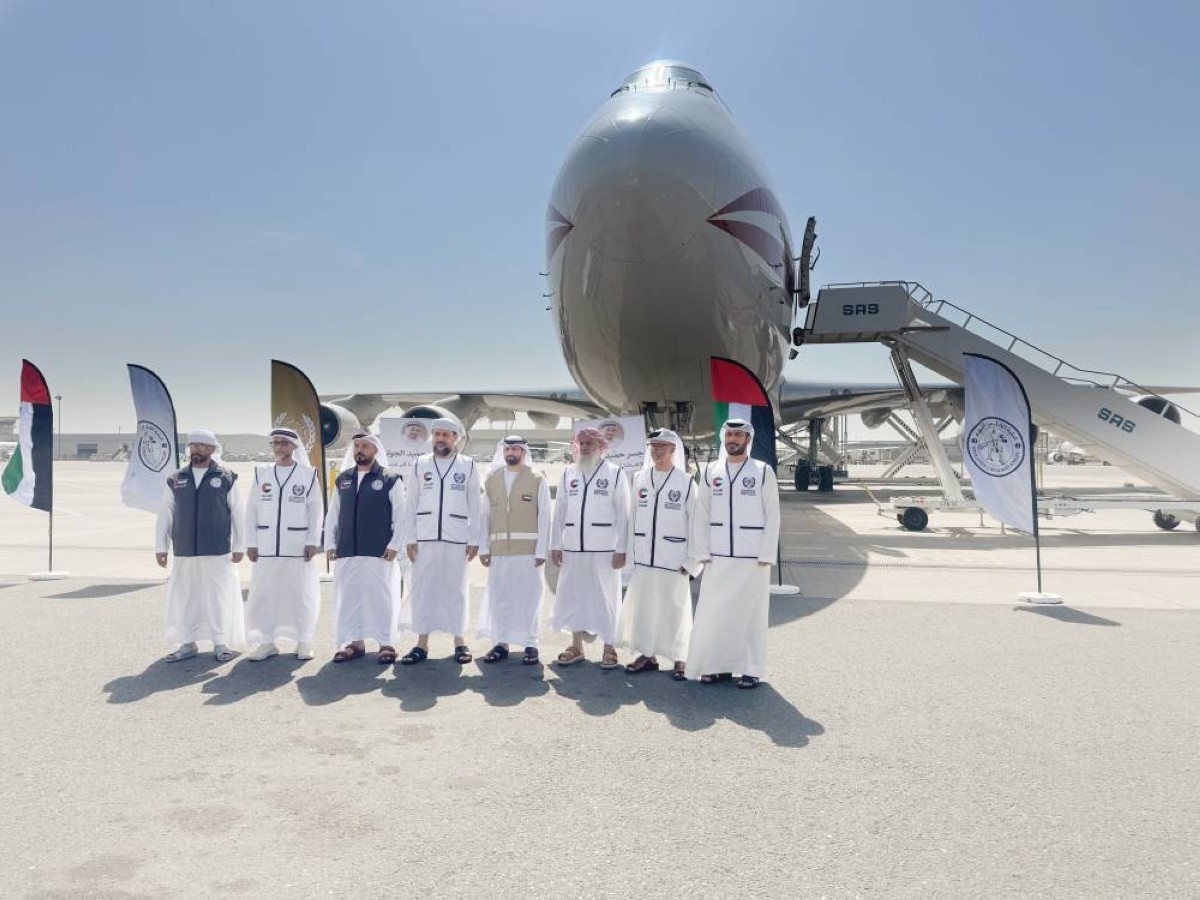
The United Arab Emirates has delivered 122,000 tonnes of humanitarian aid to the Gaza Strip, valued at approximately $3 billion, as part of its ongoing relief efforts under Operation “Faris al-Sham 3.” This substantial contribution underscores the UAE’s sustained commitment to supporting Palestinians amid the deepening humanitarian crisis in the enclave.
The aid, transported via air, sea, and land routes, includes essential supplies such as food, medicine, shelter materials, and hygiene kits. These shipments have been coordinated through the UAE’s humanitarian infrastructure, including the establishment of a field hospital in Al-Arish, Egypt, which serves as a critical transit and treatment point for patients evacuated from Gaza.
According to verified reports from Emirati state media, the floating hospital off the coast of Al-Arish has recently welcomed a new contingent of Indonesian medical personnel, reinforcing the multinational character of the medical response. This deployment reflects the UAE’s broader strategy of partnering with international allies to expand medical capacity and expertise in managing complex trauma and chronic conditions among displaced Palestinians.
The Indonesian medical team joins Emirati doctors, nurses, and administrators already operating at the facility, working in integrated shifts to maintain round-the-clock care. Their responsibilities include treating war-related injuries, managing postoperative recovery, and providing maternal and pediatric health services to vulnerable populations.
Officials have emphasized that the collaboration between the UAE and Indonesia is rooted in shared humanitarian values, with both nations prioritizing solidarity and impartial assistance regardless of political or religious affiliation. The partnership aims not only to alleviate immediate suffering but also to strengthen long-term resilience within Gaza’s fragmented health system.
Since the launch of Operation “Faris al-Sham 3,” the UAE has maintained a steady flow of aid, adjusting logistics in response to shifting access conditions and security developments. Authorities have reported that aid deliveries continue to be monitored through coordinated mechanisms with international agencies, although specific transit figures are not routinely disclosed in real time.
The floating hospital in Al-Arish has become a cornerstone of the UAE’s medical evacuation strategy, receiving patients referred from Gaza through coordinated cross-border protocols. Medical evacuees are typically those requiring specialized care unavailable within Gaza due to damaged infrastructure, shortages of supplies, or overwhelmed local facilities.
Upon arrival, patients undergo triage and stabilization before being admitted to appropriate wards. The facility offers services ranging from emergency surgery and intensive care to rehabilitation and psychological support, with a focus on minimizing delays in treatment for time-sensitive conditions.
In addition to clinical care, the hospital supports training initiatives for local medical staff evacuated from Gaza, aiming to preserve clinical knowledge and prepare for eventual reintegration into Gaza’s health workforce when conditions allow. These programs are conducted in coordination with Palestinian health authorities and international medical NGOs.
The UAE’s relief campaign has drawn recognition from regional experts and humanitarian analysts, who have described the scale and consistency of the aid as a significant stabilizing factor in an otherwise dire situation. Observers note that the predictability of UAE-supported supply chains helps reduce uncertainty for aid organizations operating on the ground.
While the $3 billion valuation reflects the cumulative cost of aid delivered since the escalation of hostilities, officials have clarified that this figure includes both in-kind contributions and logistical expenditures, such as transportation, storage, and personnel deployment. No single tranche of aid has been publicly assigned this exact value.
As of mid-April 2026, the UAE continues to advocate for unimpeded humanitarian access to Gaza through diplomatic channels, calling for the protection of medical facilities and the safe passage of aid convoys. The government has reiterated its position that humanitarian assistance must remain neutral, independent, and exempt from political conditions.
The next scheduled update on UAE humanitarian operations in Gaza is expected during the biannual review of the Arab League’s Committee on Palestinian Affairs, tentatively set for June 2026, where member states are anticipated to report on bilateral and collective relief initiatives.
For ongoing updates on UAE humanitarian efforts, readers are encouraged to consult official communications from the Emirates Red Crescent and the UAE Ministry of Foreign Affairs and International Cooperation.
We invite our global audience to share insights, ask questions, and engage in respectful dialogue in the comments section below. Your perspectives help deepen understanding of complex humanitarian challenges and the international responses they require.