
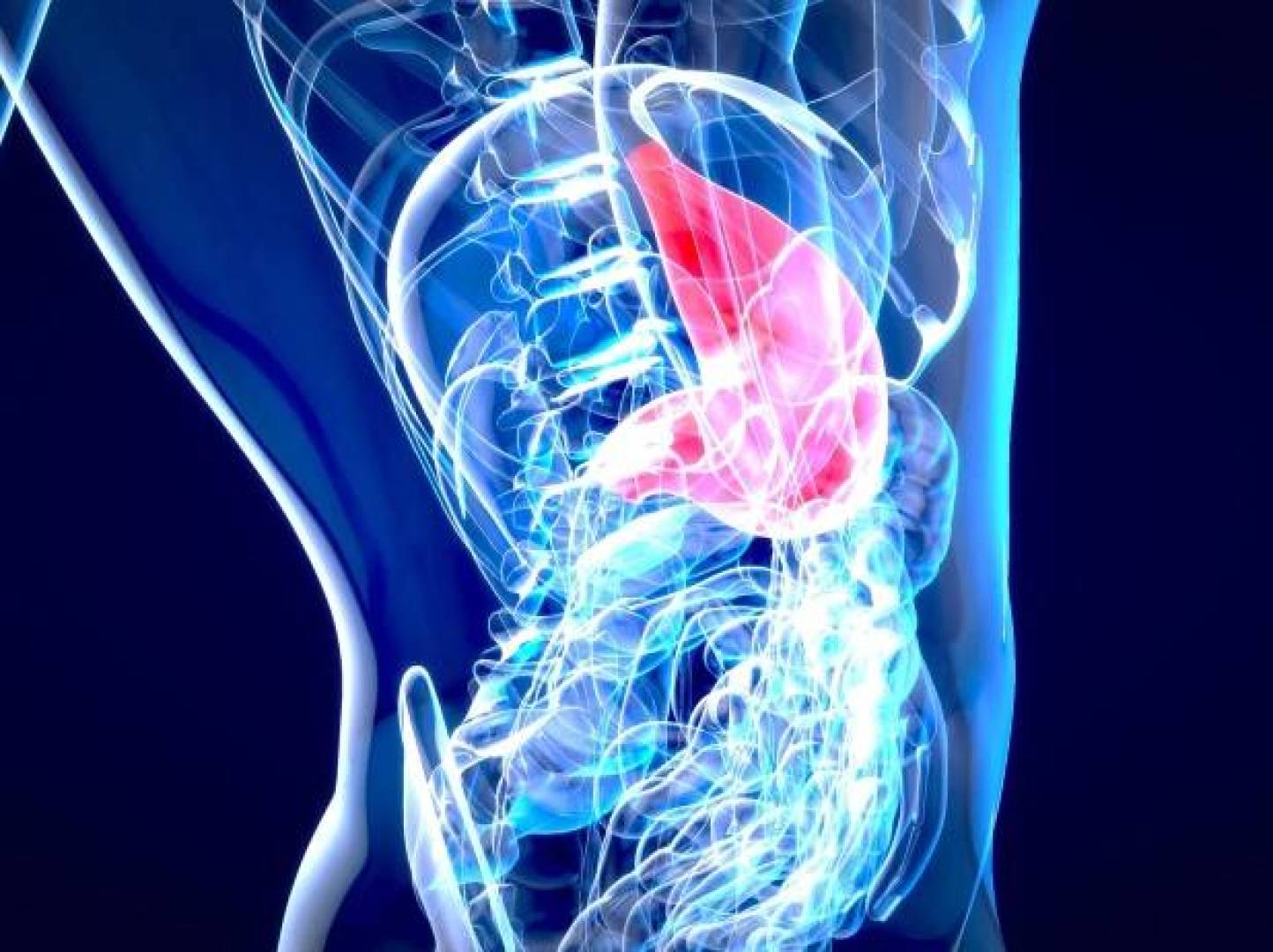
Scientists have identified a specific type of aged immune cell that accumulates in liver tissue and actively contributes to inflammation and damage in fatty liver disease, offering novel insight into the biological mechanisms behind chronic liver conditions.
These cells, referred to as “zombie” or senescent immune cells, cease to divide but remain metabolically active, releasing a harmful mix of inflammatory signals that promote tissue damage and fibrosis. Unlike normal aging cells that are cleared by the body, these dysfunctional immune cells persist in the liver, creating a self-sustaining cycle of inflammation that worsens over time, even in the absence of ongoing external triggers like poor diet.
The discovery stems from research conducted at the University of California, Los Angeles (UCLA), where scientists studied mouse models of non-alcoholic fatty liver disease (NAFLD). They found that eliminating these senescent immune cells led to a significant reduction in liver inflammation and even reversed existing liver damage, despite continued exposure to an unhealthy diet.
This suggests that targeting these cells could represent a novel therapeutic strategy for treating not only NAFLD but also its more severe form, non-alcoholic steatohepatitis (NASH), which can progress to cirrhosis, liver failure, or hepatocellular carcinoma if left untreated.
The study, published in the peer-reviewed journal Nature Aging, highlights cellular senescence—a state of irreversible cell cycle arrest triggered by stress—as a key driver in the progression of metabolic liver disease. While senescence initially acts as a protective mechanism to prevent damaged cells from proliferating, the accumulation of senescent cells over time contributes to chronic inflammation and age-related tissue dysfunction.
In the context of liver disease, researchers observed that these zombie-like immune cells secrete pro-inflammatory cytokines, chemokines, and matrix-remodeling enzymes collectively known as the senescence-associated secretory phenotype (SASP). This SASP profile recruits additional immune cells, activates hepatic stellate cells (which produce scar tissue), and impairs the liver’s ability to regenerate.
Importantly, the research demonstrated that clearing these cells using senolytic compounds—drugs designed to selectively eliminate senescent cells—resulted in improved liver function, reduced fibrosis, and restored metabolic health in animal models. These findings open the door to potential clinical applications, though human trials are still needed to confirm safety and efficacy.
Experts note that while lifestyle interventions such as weight loss, exercise, and dietary changes remain foundational in managing fatty liver disease, many patients struggle to achieve or sustain these improvements. A pharmacological approach targeting senescent immune cells could complement existing strategies, particularly for individuals with advanced disease or those at high risk of progression.
The global prevalence of NAFLD continues to rise, affecting an estimated 25% of the adult population worldwide, with higher rates observed in individuals with obesity, type 2 diabetes, or metabolic syndrome. As NASH becomes a leading indication for liver transplantation in some regions, the need for effective disease-modifying therapies has never been more urgent.
Beyond the liver, the role of senescent immune cells is being investigated in other chronic inflammatory conditions, including atherosclerosis, kidney disease, and neurodegenerative disorders. This growing body of research underscores the broader significance of cellular aging in driving multimorbidity and age-related decline.
Dr. Miriam Merad, Director of the Precision Immunology Institute at the Icahn School of Medicine at Mount Sinai, has emphasized that understanding the immune system’s role in tissue aging is critical for developing next-generation therapies. “We are beginning to see that aging is not just a passive process of wear and tear, but an active one driven by malfunctioning immune cells that refuse to die,” she stated in a recent interview.
While the UCLA study provides compelling evidence in preclinical models, researchers caution that translating these findings to humans requires careful evaluation. Senolytic drugs are currently being tested in clinical trials for conditions such as idiopathic pulmonary fibrosis and diabetic kidney disease, but their use in liver disease remains investigational.
Ongoing studies aim to identify biomarkers that can detect senescent immune cell accumulation in patients, potentially enabling earlier intervention. Non-invasive imaging techniques and blood-based assays are under development to monitor senolytic response without requiring liver biopsy.
As the scientific community continues to explore the intersection of immunology, metabolism, and aging, the identification of zombie immune cells as active contributors to liver damage marks a significant step forward. It shifts the narrative from viewing liver disease solely as a consequence of metabolic overload to recognizing the immune system’s maladaptive role in perpetuating harm.
For patients and clinicians alike, this research offers hope that future treatments may go beyond managing symptoms to actually reversing underlying biological processes. However, experts stress that any therapeutic approach must be grounded in rigorous clinical validation before widespread use.
The next step in this line of research involves advancing senolytic candidates into human trials specifically designed for NAFLD and NASH populations. Researchers are also investigating whether combining senolytics with existing insulin sensitizers or anti-inflammatory agents could yield synergistic benefits.
Until such treatments grow available, medical guidelines continue to recommend lifestyle modification as the cornerstone of fatty liver disease management. Patients are advised to consult with hepatologists or gastroenterologists for personalized risk assessment and monitoring, particularly if they have comorbidities such as diabetes or hypertension.
As research progresses, the focus remains on turning mechanistic discoveries into tangible health outcomes—offering not just longer life, but healthier years free from the burden of chronic liver disease.
Stay informed about developments in liver health and medical innovation by following trusted sources and discussing options with qualified healthcare professionals.