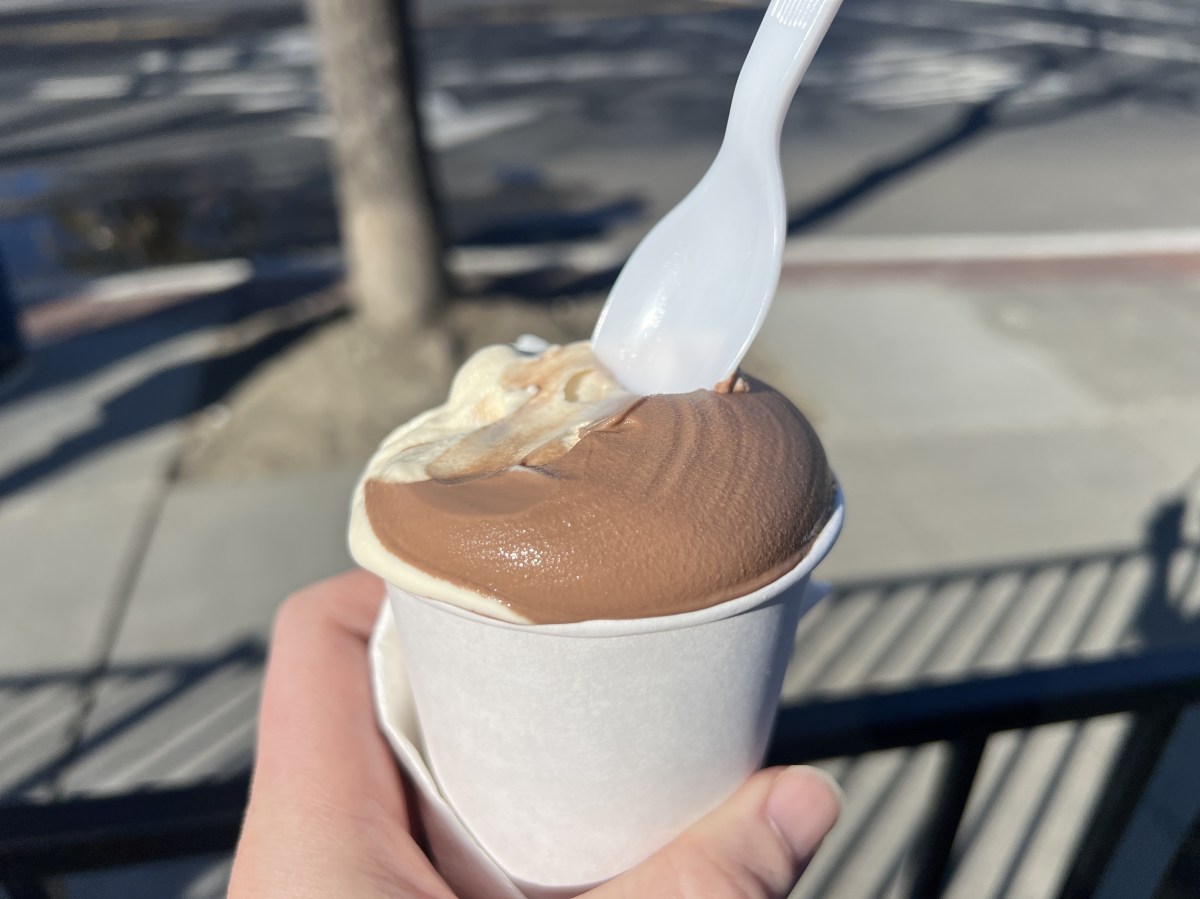
An ice cream product recall has prompted a fresh warning to consumers about potential life-threatening allergic reactions, underscoring ongoing concerns about undeclared allergens in food items. The alert follows a routine safety check that identified missing allergen information on a frozen dessert label, prompting immediate action from regulatory bodies and the manufacturer involved.
The U.S. Food and Drug Administration (FDA) published details of the recall on its official safety alerts page, listing Loard’s Ice Cream as the brand affected. According to the notice posted April 16, 2026, the product in question—sold under various flavors—was found to contain undeclared milk, eggs, tree nuts, peanuts, soy, sulfites, and artificial colors. These substances are among the most common triggers for severe food allergies, which can lead to anaphylaxis, a potentially fatal reaction requiring emergency treatment.
Recalls due to undeclared allergens remain a persistent issue in the food industry, with milk, eggs, peanuts, tree nuts, fish, shellfish, soy, and wheat accounting for the majority of serious allergic reactions in the United States. The FDA and the U.S. Department of Agriculture (USDA) jointly monitor such incidents, particularly when labeling fails to disclose ingredients known to cause hypersensitivity in sensitive individuals.
In this case, Silver Moon LP, doing business as Loard’s Ice Cream, initiated the voluntary recall after discovering the labeling discrepancy. The company distributed the affected product through retail channels, though specific states or retail chains were not named in the public notice. Consumers are advised to check their freezers for any Loard’s Ice Cream items and avoid consumption if they have allergies to any of the listed ingredients.
The FDA emphasizes that allergic reactions can occur within minutes of exposure and may include symptoms such as hives, swelling of the lips or throat, difficulty breathing, vomiting, or a sudden drop in blood pressure. Individuals experiencing these signs should seek immediate medical attention, as delays in treatment can increase the risk of fatal outcomes.
Food labeling regulations in the U.S. Require clear identification of major allergens under the Food Allergen Labeling and Consumer Protection Act (FALCPA). Failure to comply can result in regulatory action, including product seizures or court-ordered injunctions. The FDA maintains that most recalls are initiated voluntarily by companies upon discovery of labeling errors, often through internal testing or consumer complaints.
This incident adds to a pattern of allergen-related recalls seen over the past year, including notices involving dietary supplements, baked goods, and snack foods. The FDA’s searchable recall archive allows the public to review notices dating back three years, with older records accessible through its formal archive system. Users can search by product name, brand, or year to locate specific alerts.
For individuals managing food allergies, experts recommend carefully reading labels every time a product is purchased, as formulations can change without notice. Cross-contamination during manufacturing is another risk factor, though not indicated in this particular recall. Those with severe allergies may carry epinephrine auto-injectors as a precaution, prescribed by a healthcare provider.
The recalled Loard’s Ice Cream products should be returned to the place of purchase for a full refund or disposed of safely. The company has not released further public statements beyond the initial recall notice, and the FDA continues to monitor the situation for any updates.
As of now, no illnesses have been officially linked to this specific recall, but the potential for harm remains significant given the severity of allergens involved. Regulatory agencies stress that timely reporting by consumers helps improve monitoring systems and prevent future incidents.
Consumers seeking the most current information on food recalls can visit the FDA’s Recalls, Market Withdrawals, and Safety Alerts page, which is updated regularly. The agency likewise offers an email subscription service for automatic notifications about new alerts.
The next routine update to the FDA’s public recall list is expected within the standard weekly reporting cycle, though no exact date has been specified in the available notices. Any future developments regarding this recall—such as consumer illness reports or expanded distribution details—would be reflected in subsequent revisions to the alert.
Staying informed about food safety notices is a practical step households can take to reduce avoidable health risks, particularly for those managing chronic conditions like food allergies. Sharing verified recall information with friends, family, or community groups helps broaden awareness and supports quicker action when needed.
If you have purchased Loard’s Ice Cream recently and suspect it may be part of this recall, check the product label for brand and batch details, then refer to the FDA notice for confirmation. When in doubt, discard the item or contact the retailer for guidance.
Related reading