Blood sugar levels reflect the concentration of glucose in the bloodstream and serve as a key indicator of how effectively the body processes energy from food. For individuals monitoring their health—whether managing diabetes, assessing prediabetes risk, or maintaining general wellness—understanding what constitutes a normal range is essential. Glucose levels fluctuate throughout the day based on meals, physical activity, stress, and medication, making consistent tracking a cornerstone of metabolic health.
Maintaining stable blood sugar is particularly critical for people with diabetes, as prolonged elevations increase the risk of serious complications including cardiovascular disease, chronic kidney disease, neuropathy, and vision impairment. Conversely, levels that drop too low can trigger immediate symptoms such as shakiness, confusion, or loss of consciousness, requiring prompt intervention. A well-structured blood sugar levels chart provides clear reference points for fasting and post-meal readings, helping individuals and healthcare providers interpret results, identify trends, and make informed decisions about diet, lifestyle, and treatment.
In regions like Jaipur, where traditional diets often include carbohydrate-rich staples such as roti, rice, and sweets like jalebi and laddoo, and where high temperatures can exacerbate dehydration and affect glucose metabolism, localized guidance becomes especially valuable. Although global clinical guidelines offer a foundational framework, factors such as regional cuisine, activity patterns, and access to healthcare necessitate a nuanced approach to blood sugar management. This article synthesizes current, evidence-based recommendations from authoritative sources to clarify normal blood sugar ranges for 2026, explain how to use monitoring charts effectively, and outline practical strategies tailored to diverse lifestyles—all grounded in verified medical consensus.
What Are Normal Blood Sugar Levels?
Blood sugar targets vary depending on whether an individual has diabetes, their age, and the timing of the measurement. The most clinically relevant benchmarks are fasting glucose (measured after at least 8 hours without food) and postprandial glucose (checked 1 to 2 hours after eating). These values help distinguish between normal metabolism, prediabetes, and diabetes, and guide treatment goals for those already diagnosed.
According to the American Diabetes Association (ADA) Standards of Care—a globally recognized reference updated annually—normal fasting blood sugar for individuals without diabetes ranges from 70 to 99 mg/dL. Levels between 100 and 125 mg/dL indicate prediabetes, a condition marked by insulin resistance and increased risk of progressing to type 2 diabetes. A fasting glucose of 126 mg/dL or higher on two separate tests confirms a diabetes diagnosis.
For people living with diabetes, the ADA recommends a fasting glucose target of 80 to 130 mg/dL, balancing the necessitate to avoid hyperglycemia with the risk of hypoglycemia from overly aggressive control. This range is individualized based on factors such as age, duration of diabetes, comorbidities, and hypoglycemia awareness.
Post-meal blood sugar offers insight into how the body handles glucose from food. In non-diabetic individuals, levels should remain below 140 mg/dL one to two hours after eating. For those with diabetes, the ADA suggests a target of less than 180 mg/dL during this window. Readings at or above 200 mg/dL two hours post-meal, especially when accompanied by symptoms like increased thirst or frequent urination, may indicate diabetes and warrant further testing.
These thresholds are supported by extensive research linking glycemic control to long-term outcomes. Landmark studies such as the Diabetes Control and Complications Trial (DCCT) and the United Kingdom Prospective Diabetes Study (UKPDS) demonstrated that maintaining blood sugar within recommended ranges significantly reduces the risk of microvascular complications like retinopathy, nephropathy, and neuropathy.
How to Use a Blood Sugar Levels Chart for Diabetes Management
A blood sugar chart is more than a log of numbers—it is a dynamic tool for identifying patterns, evaluating the impact of lifestyle choices, and guiding adjustments in collaboration with healthcare providers. By recording glucose levels at consistent times—fasting, before and after meals, before bedtime, and around physical activity—individuals can uncover how specific foods, stressors, or medications influence their metabolism.
For example, a consistent post-lunch spike to 200 mg/dL might suggest that a meal high in refined carbohydrates requires modification, such as increasing fiber or protein content or reducing portion size. Similarly, unexplained morning hyperglycemia could prompt investigation into the dawn phenomenon or medication timing. Charts also help detect hypoglycemic episodes, particularly important for those on insulin or sulfonylureas, enabling preventive measures like adjusting doses or keeping fast-acting glucose sources on hand.
Modern tools enhance this process. Many glucometers sync with smartphone apps that generate visual graphs, highlight trends, and estimate average glucose over time. Some integrate with continuous glucose monitors (CGMs), which provide real-time data and alerts for rapid changes—particularly beneficial for people with type 1 diabetes or those experiencing hypoglycemia unawareness.
The frequency of monitoring depends on diabetes type, treatment regimen, and stability. People with type 1 diabetes typically check multiple times daily—before meals, after meals, at bedtime, and during exercise. Those with type 2 diabetes managed through lifestyle or oral medications may require less frequent testing, though periodic checks remain valuable for assessing control. The ADA advises individualized schedules, emphasizing that monitoring should support, not burden, daily life.
Critically, a blood sugar chart facilitates communication with healthcare teams. Sharing logs during appointments allows clinicians to assess treatment efficacy, adjust medications, and provide personalized feedback. In telehealth settings—which have expanded significantly since the pandemic—digital charts enable remote monitoring and timely interventions.
Blood Sugar Levels by Age and Special Considerations
While adult guidelines provide a standard reference, glucose targets may shift across the lifespan due to physiological changes, comorbidities, and safety concerns.
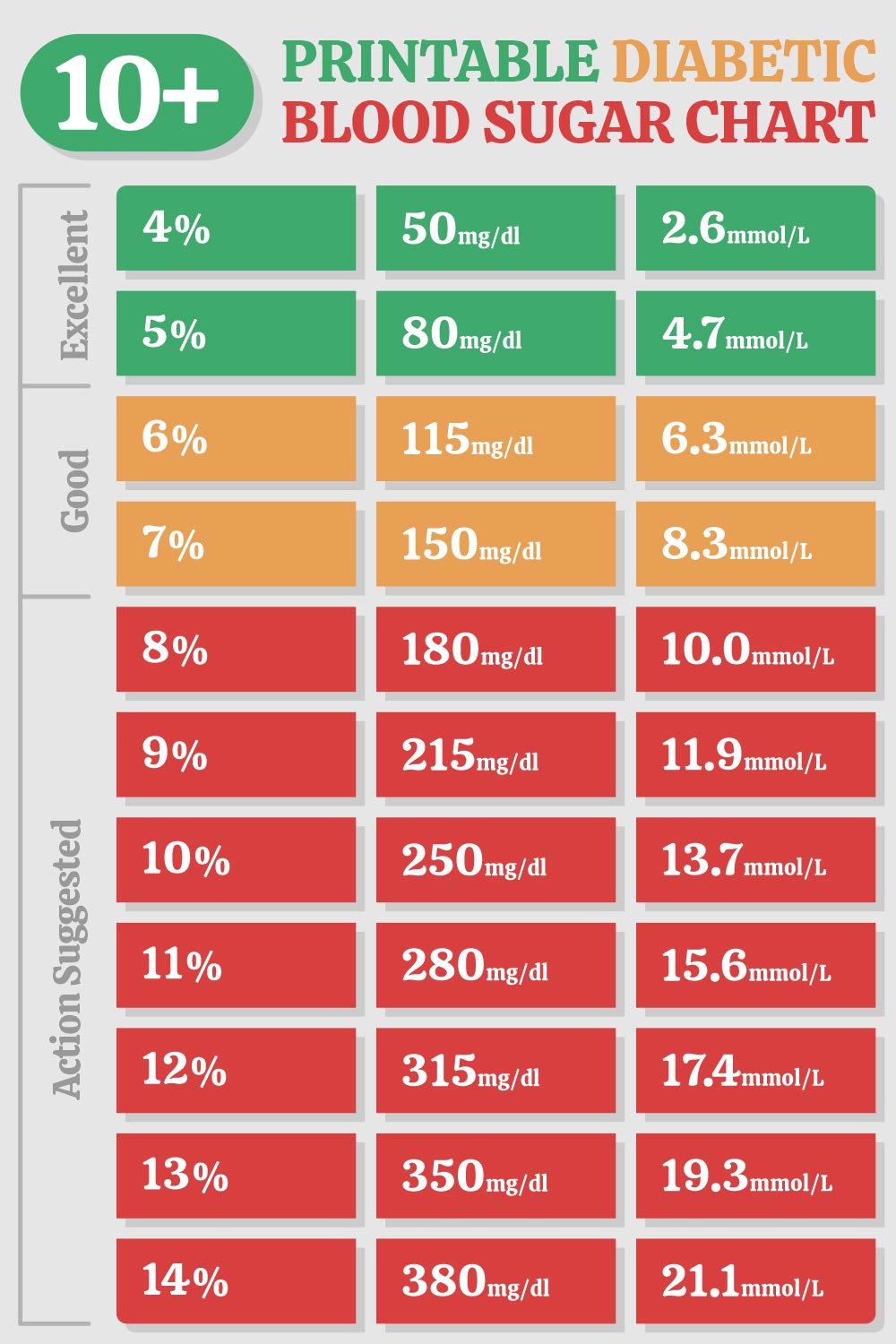
In children and adolescents with type 1 diabetes, the International Society for Pediatric and Adolescent Diabetes (ISPAD) recommends individualized targets balancing growth needs with hypoglycemia prevention. For younger children, slightly higher ranges (e.g., fasting 100–180 mg/dL) may be acceptable to avoid dangerous lows, whereas adolescents often aim for adult-like targets (fasting 70–130 mg/dL) as they gain autonomy in management.
For adults without diabetes, the fasting range of 70–99 mg/dL remains consistent across middle and older age groups. Although, in older adults—particularly those with frailty, cognitive impairment, or a history of severe hypoglycemia—guidelines from the American Geriatrics Society suggest relaxing targets to prioritize safety. Fasting goals of 100–180 mg/dL may be appropriate in this population to reduce hypoglycemia risk, which can lead to falls, confusion, or cardiovascular events.
Pregnancy introduces additional considerations. Gestational diabetes screening typically occurs between 24 and 28 weeks, with diagnostic thresholds set by the International Association of Diabetes and Pregnancy Study Groups (IADPSG): fasting ≥92 mg/dL, 1-hour ≥180 mg/dL, or 2-hour ≥153 mg/dL during a 75-gram oral glucose tolerance test. Management focuses on tight control to prevent macrosomia, birth complications, and future metabolic risk for both mother and child.
Factors That Influence Blood Sugar: Diet, Activity, and Environment
Blood glucose does not exist in a vacuum—it responds dynamically to behavior and surroundings. Carbohydrate intake has the most direct impact, as digested carbs break down into glucose and enter the bloodstream. The type and quantity matter: refined grains and sugary beverages cause rapid spikes, while fiber-rich whole grains, legumes, and vegetables slow absorption and promote steadier levels.
Protein and fat have minimal immediate effects on glucose but can modulate the rate of carbohydrate absorption when consumed together. For instance, pairing rice with dal (lentils) or adding paneer to a meal may blunt post-meal rises compared to eating carbohydrates alone.
Physical activity increases insulin sensitivity, allowing muscles to use glucose more effectively—even without insulin. A brisk 30-minute walk after dinner can significantly lower post-meal glucose, particularly beneficial for those with insulin resistance. Resistance training also builds muscle mass, enhancing long-term glucose disposal capacity.
Environmental factors like heat and dehydration can indirectly affect blood sugar. In hot climates such as Jaipur’s, fluid loss concentrates blood glucose and may impair kidney function, reducing glucose excretion. Dehydration also raises stress hormones like cortisol, which promote gluconeogenesis—the liver’s production of glucose. Staying well-hydrated, especially during summer months, is a simple yet vital strategy for stability.
Sleep quality and stress levels further influence glucose through hormonal pathways. Chronic sleep deprivation and elevated cortisol from psychological stress can increase insulin resistance and fasting glucose. Mind-body practices like yoga and meditation, widely accessible and culturally resonant in India, have shown promise in improving glycemic control and reducing diabetes-related distress.
Practical Tips for Managing Blood Sugar in Jaipur and Similar Climates
Effective blood sugar management integrates global evidence with local realities. In Jaipur, where traditional diets feature both nutritious staples and high-glycemic treats, small, sustainable adjustments can yield meaningful results.
Prioritizing whole grains like bajra (pearl millet), jowar (sorghum), and barley over refined wheat or rice increases fiber intake and slows glucose absorption. Legumes such as moong dal, chana, and rajma provide plant-based protein and fiber, supporting satiety and metabolic health. Non-starchy vegetables—including seasonal sabzis like tinda, tori, and bhindi—add volume and nutrients without significantly impacting glucose.
When enjoying traditional sweets, moderation is key. Opting for smaller portions, sharing desserts, or choosing preparations with less sugar and more nuts (like dry-fruit barfi) can reduce glycemic load. Incorporating natural agents with modest glucose-modulating properties—such as fenugreek seeds (methi), cinnamon, or turmeric—may offer complementary benefits, though they should not replace medical treatment.
Hydration is especially critical in arid, high-temperature environments. Drinking water throughout the day, consuming water-rich foods like cucumber and watermelon, and avoiding excessive caffeine or alcohol help maintain plasma volume and kidney function. During outdoor activity, scheduling exercise for cooler hours—early morning or evening—reduces heat stress and dehydration risk.
Regular movement, whether through walking in Nehru Park, cycling along cleared routes, or practicing yoga at home, improves insulin sensitivity and cardiovascular fitness. Even short bouts of activity after meals—such as 10 to 15 minutes of light walking—can attenuate postprandial spikes.
Finally, routine check-ups with a primary care physician or diabetes specialist remain indispensable. HbA1c testing, which reflects average blood sugar over the past 2–3 months, should be performed at least twice yearly for stable patients and quarterly for those adjusting therapy. These visits allow for foot exams, retinal screening, kidney function tests, and personalized counseling—all vital components of comprehensive diabetes care.
The Role of Regular Monitoring and Professional Guidance
Self-monitoring empowers individuals to take an active role in their health, but it works best when paired with professional oversight. Healthcare providers interpret patterns in the context of overall health, adjust medications safely, and screen for complications. They also provide education on proper technique, calibration of devices, and recognition of symptoms requiring urgent care.
Access to reliable supplies—including test strips, lancets, and functioning glucometers—is essential. In India, government initiatives like the National Program for Prevention and Control of Cancer, Diabetes, Cardiovascular Diseases and Stroke (NPCDCS) aim to improve diabetes screening and management at the primary care level, particularly in underserved areas. Community health workers and ASHA volunteers often play a frontline role in education and follow-up.
For those using advanced technology, CGMs and flash glucose monitors are becoming more accessible, though cost and awareness remain barriers. Insurance coverage and government subsidies for such devices vary by state and eligibility. Consulting with an endocrinologist or diabetes educator can help determine suitability and navigate availability.
a blood sugar chart is not a judgment tool but a compass—one that reveals how the body responds to daily choices and helps steer toward long-term well-being. By combining informed self-care with evidence-based medical guidance, individuals in Jaipur and beyond can achieve stable glucose control, reduce complication risks, and maintain quality of life.
Related reading