On April 7, 2026, President Donald Trump announced a two-week ceasefire between the United States and Iran after issuing a stark warning just hours earlier that “a whole civilization will die tonight” if Tehran did not comply with his demand to reopen the Strait of Hormuz. The rapid reversal came after Iran agreed to restore safe passage through the vital waterway, prompting Trump to suspend threats of widespread destruction of Iranian civilian and military infrastructure. The ceasefire, facilitated by Pakistan, marked a dramatic de-escalation in a conflict that had rapidly intensified following joint U.S.-Israeli strikes on Iranian targets.
The announcement, made via Trump’s social media platform, framed the pause as a strategic opportunity to advance negotiations toward a long-term peace agreement. “This will be a double sided CEASEFIRE!” Trump wrote, adding that the U.S. And Israel would suspend bombing for two weeks provided Iran followed through on its commitment to reopen the Strait of Hormuz. He noted that Iranian leaders had proposed a “workable” 10-point peace plan addressing past points of contention, which he said had been agreed upon between the two sides. The extra time, he stated, would allow the agreement to be finalized.
Iranian officials welcomed the ceasefire as a victory, emphasizing that the United States had agreed to “the general framework” of Iran’s proposal. The development followed intense diplomatic engagement, including the highest-level in-person talks between U.S. And Iranian representatives since the conflict began, with Vice President J.D. Vance and Iran’s parliamentary speaker participating in negotiations hosted in Islamabad. Pakistan’s role as mediator underscored its longstanding diplomatic channel with both nations.
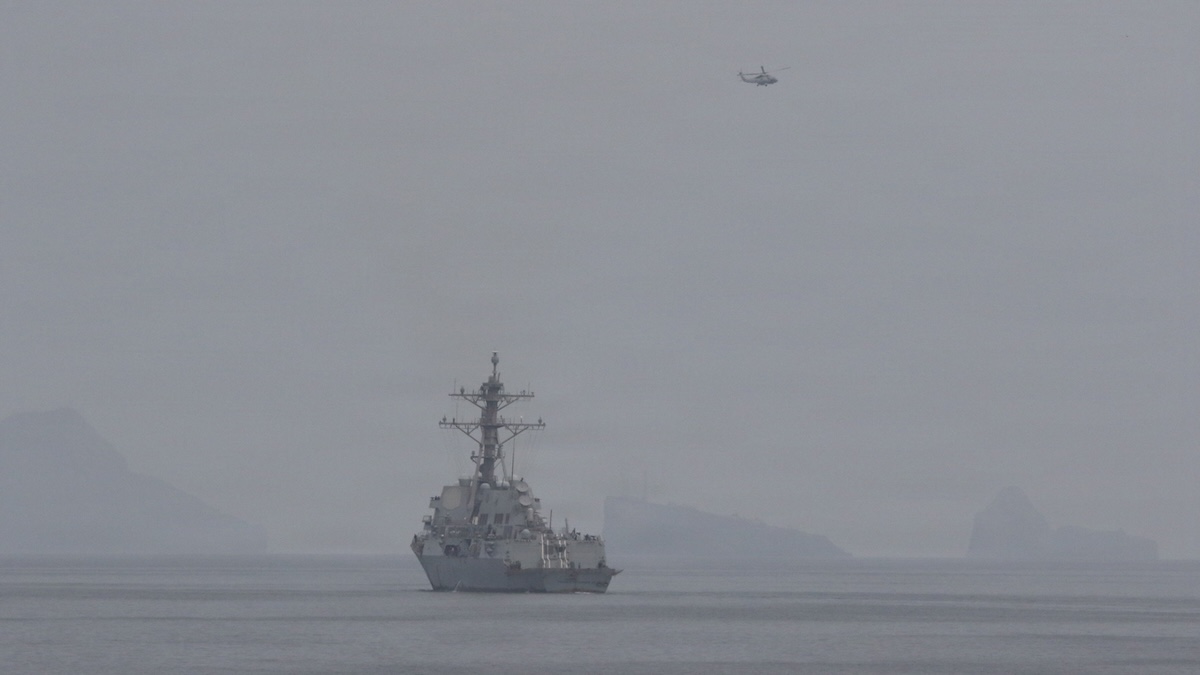
The Strait of Hormuz, through which approximately 20% of global oil trade passes, had been a flashpoint in the escalating tensions. Iran’s initial refusal to allow unimpeded passage had triggered Trump’s ultimatum, which he delivered with unusually stark rhetoric. After Iran reversed its position and confirmed the strait would reopen for commercial traffic, the U.S. Paused its military campaign, though it maintained a naval presence in the region to monitor compliance.
According to reports from NPR and the Associated Press, the ceasefire took effect immediately upon announcement and was set to last for 14 days, during which time diplomats would function to transform the temporary pause into a more durable framework. The AP noted that Iran had agreed to negotiate with the United States in Islamabad beginning Friday, April 10, 2026, continuing the Pakistan-mediated dialogue. Both nations characterized the ceasefire as a step toward reducing the risk of broader regional war.
The sudden shift from threats of annihilation to a negotiated pause highlighted the volatility of decision-making during the early stages of the conflict. Analysts observed that the administration’s approach combined maximalist pressure with abrupt openness to diplomacy, creating uncertainty among allies and adversaries alike. The involvement of senior U.S. Officials like Vice President Vance in direct talks signaled a willingness to engage at the highest level, even as military actions continued just hours before the ceasefire.
Humanitarian concerns had grown rapidly in the days preceding the agreement, particularly regarding the impact of strikes on civilian areas in Tehran and other cities. Images shared by international media showed damaged residential buildings and infrastructure, prompting calls from global organizations for restraint and protection of non-combatants. While the ceasefire did not address existing damage, it halted further bombardment, allowing space for aid access and diplomatic engagement.
The reversal also raised questions about the consistency of U.S. Foreign policy under Trump, particularly regarding the apply of public ultimatums followed by rapid concessions. Critics argued that such patterns undermined credibility, while supporters maintained that the show of force had achieved its objective without requiring prolonged conflict. The administration insisted that military goals had been “met and exceeded” and that the ceasefire reflected strength rather than retreat.
As the two-week window began, attention turned to whether the negotiations could produce a lasting agreement addressing not only navigation rights in the Strait of Hormuz but also broader issues such as Iran’s nuclear program, regional influence, and sanctions relief. The 10-point framework mentioned by Trump remained unspecified in public statements, though Iranian officials described it as encompassing past points of disagreement now resolved through dialogue.
International observers urged caution, noting that ceasefires in volatile regions often fail to hold without robust verification mechanisms and mutual trust. The success of this pause would depend on Iran’s sustained compliance with the strait reopening and the willingness of both sides to negotiate in decent faith. The presence of a neutral mediator like Pakistan was seen as a stabilizing factor, given its historical ties to both Washington and Tehran.
For updates on the ceasefire negotiations and any developments regarding the Strait of Hormuz security arrangements, readers can follow official statements from the U.S. Department of State and Iran’s Ministry of Foreign Affairs. The next scheduled diplomatic session is set for Friday, April 10, 2026, in Islamabad, where U.S. And Iranian representatives are expected to continue talks under Pakistani facilitation.
If you found this analysis helpful, please consider sharing it with others interested in global affairs. We welcome thoughtful comments and perspectives on how diplomatic engagement can prevent escalation in international conflicts.
Related reading