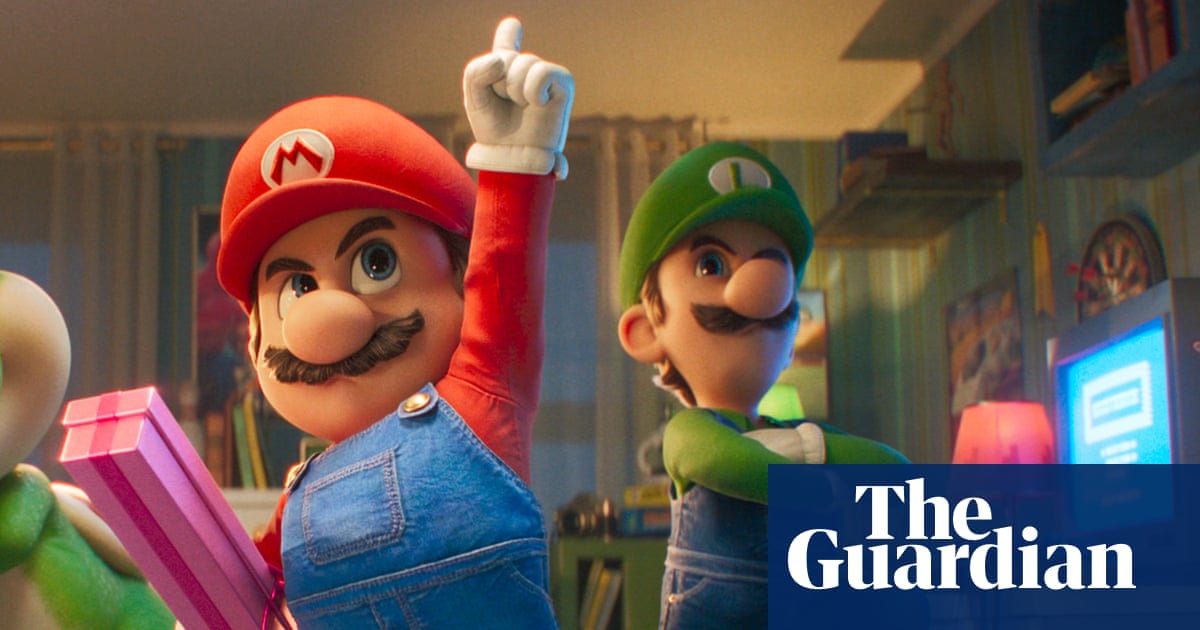
In a quiet corner of genealogical research, a discovery has shed new light on the real-life inspiration behind one of gaming’s most enduring duos. While the world knows Mario and Luigi as the inseparable Italian-American plumbers from Nintendo’s iconic franchise, the truth behind their names is more personal—and poignant—than many fans realize.
The character of Mario was inspired by Mario Segale, a real estate developer from Tukwila, Washington, who owned the warehouse Nintendo leased in the early 1980s. According to long-standing accounts, Nintendo staff nicknamed the character after Segale during a tense rent meeting and the name stuck. What remained unclear for decades was whether Segale had a brother named Luigi—until recent research clarified the record.
Elisabeth Zetland, a senior researcher at MyHeritage, conducted a deep dive into Segale’s family history and found no evidence of a brother named Luigi. Instead, her work revealed that Segale’s father—also named Luigi—had emigrated from Italy to the United States, settling in the Pacific Northwest during the early 20th century. This detail, while seemingly minor, offers a compelling explanation for how the name Luigi may have entered Nintendo’s cultural subconscious, even if indirectly.
Segale, born in 1934 to Italian immigrant parents, grew up in a bilingual household where traditions from the old country were preserved. His father, Luigi Segale Sr., had arrived in the U.S. Around 1910, part of the wave of Southern Italians seeking work in agriculture, railroads, and urban construction. Though Luigi Sr. Never lived to observe his grandson’s namesake become a global icon, his legacy lives on in the most unexpected of ways.
The MyHeritage research, which drew from census records, immigration manifests, and family trees, confirms that Mario Segale’s paternal lineage traces back to Lucca in Tuscany—a region known for its strong emigration patterns to the Americas. These records show Luigi Sr. Entered the U.S. Through Ellis Island in 1912, later moving westward to join relatives in Washington State, where he worked as a laborer before establishing a small farm near Seattle.
While Nintendo has never officially confirmed the Segale connection beyond acknowledging the warehouse anecdote, the company has long embraced the Italian-American identity of its characters. Mario and Luigi were designed with mustaches, overalls, and thick accents—visual shorthand that resonated with global audiences familiar with the immigrant experience. The discovery that the real Mario’s father shared the name of his fictional brother adds a layer of authenticity to that portrayal, even if unintentional on Nintendo’s part.
Experts in cultural studies note that such coincidences often reflect deeper societal patterns. “Names like Mario and Luigi weren’t just chosen for their sound—they carried cultural weight,” said Dr. Lena Romano, a professor of media studies at the University of Bologna, in a 2023 interview with La Repubblica. “When Nintendo picked those names, they were tapping into a recognizable archetype: the hardworking, family-oriented Italian immigrant. Whether they knew it or not, they were echoing a real story.”
Mario Segale himself remained largely unaware of his role in gaming history until later in life. He reportedly viewed the association with amusement, though he rarely spoke publicly about it. Before his passing in 2018 at the age of 84, Segale was remembered by neighbors and colleagues as a quiet, principled man who valued privacy and hard work—traits that, ironically, mirrored the virtues often ascribed to his digital counterpart.
Today, the warehouse in Tukwila where Nintendo once operated has been redeveloped, but a small plaque near the site commemorates its role in gaming history. Meanwhile, the Segale family continues to live in the Pacific Northwest, with several descendants working in real estate and community development—carrying forward a legacy that now spans from bricklaying to pixelated kingdoms.
As video game history continues to be reexamined through the lens of personal and immigrant stories, the tale of Luigi Segale Sr. Reminds us that even the most fantastical characters can have roots in remarkably real, very human journeys. His name, passed down through generations and now immortalized in code, serves as a quiet tribute to the millions who crossed oceans in search of opportunity—and inadvertently helped shape one of pop culture’s most beloved families.
Worth a look