
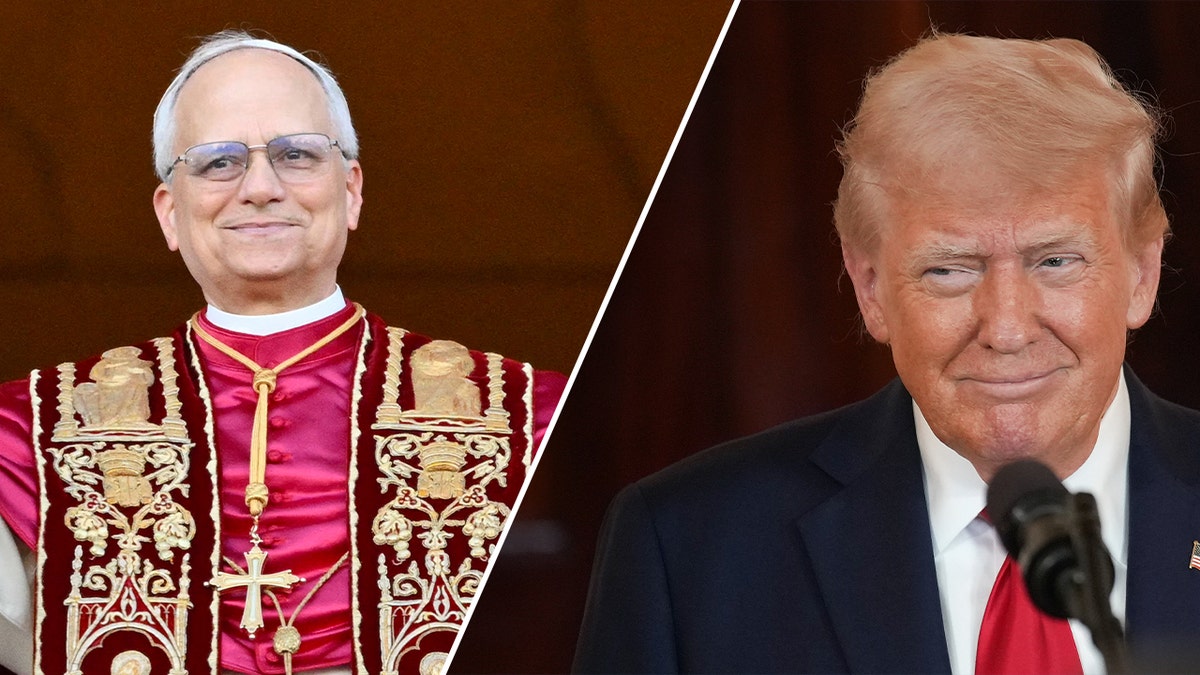
Pope Leo XIV has entered a deepening public dispute with the Trump administration, marking one of the most significant clashes between the Vatican and the White House in modern history. The first American-born pontiff has repeatedly criticized U.S. Policies on immigration, foreign intervention, and the use of religious rhetoric to justify military action, drawing sharp rebukes from President Donald Trump and his allies. This confrontation has intensified during the pope’s 11-day tour of Africa, where he has used sermons and public addresses to condemn what he describes as the destructive influence of a small group of world leaders.
The feud escalated after Pope Leo XIV spoke out against the U.S.-Israel war on Iran, calling for peace and warning that “God does not bless any conflict.” In response, Trump accused the pope of being “WEAK on Crime, and terrible for Foreign Policy” and falsely claimed that Leo supported Iran obtaining nuclear weapons. Religious experts have noted that the direct and personal nature of the exchanges is unprecedented, particularly given the pope’s American background and his willingness to engage publicly with political criticism.
During a speech at Saint Joseph Cathedral in Bamenda, Cameroon, Pope Leo XIV declared that “the world is being ravaged by a handful of tyrants” who spend billions on war while neglecting healing, education, and restoration. He warned that leaders who invoke religion to justify violence are dragging sacred values into darkness, and filth. The pontiff emphasized that despite the actions of these tyrants, the world remains held together by “a multitude of supportive brothers and sisters” working for peace and justice.
U.S. Bishops have offered full-throated support to the pope amid the growing tension, with some calling for greater humanity in the administration’s immigration policies. The Vatican has not retracted any of the pope’s statements, and he has repeatedly affirmed that he fears neither the Trump administration nor speaking openly about the Gospel message. Observers note that the conflict reflects broader divisions within American Catholicism, where opinions are split along political lines regarding the appropriateness of papal commentary on national affairs.
The dispute has drawn comparisons to historical moments when popes confronted political leaders over war and morality, though analysts stress that the current dynamic is unique due to the immediacy of social media and the personal history between the two figures. As the pope continues his African tour, the White House has shown no indication of softening its tone, setting the stage for a prolonged ideological struggle over the role of faith in public life.
As of Saturday, April 18, 2026, no formal meetings or reconciliatory steps between the Vatican and the White House have been announced. The next development to watch is the pope’s scheduled return to Rome later in April, where he may address the ongoing tension in a formal audience or encyclical. Readers are encouraged to share their perspectives on this unfolding story in the comments below and to spread awareness by sharing this article with others interested in global affairs and the intersection of religion and politics.