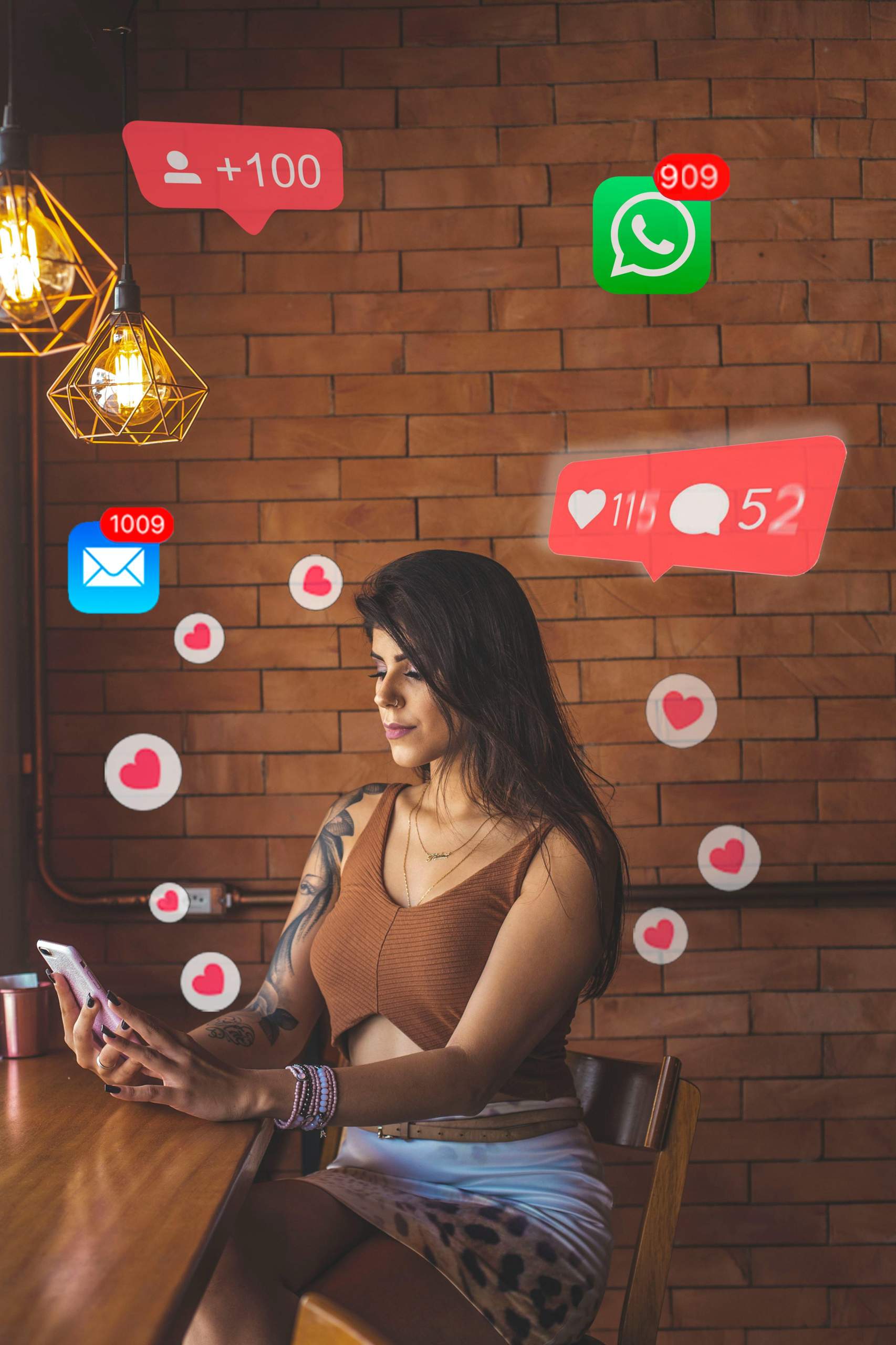
Instagram and TikTok have become the two dominant platforms for visual storytelling, especially for creators in niches like travel, lifestyle and education. Yet many content producers report a puzzling disparity: whereas their TikTok videos gain traction quickly, similar posts on Instagram—whether static images or Reels—struggle to generate comparable engagement. This imbalance has sparked widespread discussion among digital creators, particularly those managing dual-platform strategies. Understanding why this happens requires looking beyond surface-level metrics and into the structural, algorithmic, and behavioral differences that shape how content is discovered and consumed on each app.
The core issue often lies not in the quality of the content itself, but in how each platform’s algorithm prioritizes and distributes it. TikTok’s “For You” page (FYP) is engineered for rapid content testing, pushing new videos to broad, diverse audiences regardless of follower count. This design favors discoverability and virality, especially for niche or emerging creators. In contrast, Instagram’s algorithm places heavier emphasis on existing social graphs—prioritizing content from accounts users already follow or frequently engage with. Even high-quality Reels may struggle to reach beyond a creator’s current audience unless they already have strong engagement signals.
This dynamic has been documented in multiple platform analyses. A 2023 internal study leaked to The Verge revealed that TikTok’s recommendation system evaluates watch time, completion rate, and re-watches within minutes of upload, allowing the algorithm to quickly assess content quality and push it to larger audiences. Instagram, by comparison, relies more on historical engagement patterns and relationship strength, which can slow the growth curve for new or niche content. For travel creators posting scenic Reels or destination highlights, Which means TikTok may amplify a video to users interested in adventure or geography—even if they don’t follow the account—while Instagram may limit visibility to those already connected to the creator.
Another factor is content format expectations. While both platforms support short-form video, TikTok’s culture encourages raw, spontaneous, and trend-driven content—often leveraging audio trends, challenges, or humorous edits. Instagram, even with Reels, still carries remnants of its photo-centric origins, where polished aesthetics and curated feeds historically performed better. This can create a mismatch: a travel Reel that uses a trending sound or quick cuts may thrive on TikTok but feel “too casual” for Instagram’s audience, which may still expect higher production value or narrative cohesion in video content.
User behavior similarly differs significantly. TikTok users tend to scroll with a mindset of exploration—open to discovering new creators, places, and ideas. Instagram users, particularly those who have been on the platform longer, often use it to maintain connections with friends, influencers they already follow, or brands they trust. This distinction affects how algorithms interpret engagement: a high completion rate on TikTok signals broad appeal, while on Instagram, the same metric may be weighted less if it doesn’t come from established connections.
These differences are not merely theoretical. Data from social media analytics firm Sprout Social indicates that as of Q1 2024, TikTok’s average organic reach per post is approximately 5–8 times higher than Instagram’s for accounts under 100,000 followers. Meanwhile, eMarketer reported that TikTok surpassed Instagram in average daily time spent per user in the U.S. In late 2023, marking a shift in attention economy dynamics that directly impacts content visibility.
For creators managing both platforms, the solution isn’t to abandon Instagram but to adapt strategy accordingly. Experts recommend treating Instagram as a community-building tool rather than a primary discovery engine. This means using Reels to reinforce brand identity, share behind-the-scenes moments, or highlight user-generated content—while reserving TikTok for experimental, trend-responsive, or educational clips designed to attract new viewers. Cross-posting the same video without modification often fails because it ignores these contextual nuances.
timing and consistency play different roles. TikTok rewards frequent posting—sometimes multiple times per day—as it increases the chances of hitting the algorithm’s “sweet spot” for virality. Instagram, while still benefiting from regular updates, places more value on sustained engagement over time, such as comments, saves, and shares from a loyal audience. Travel creators might find success by posting daily TikToks showcasing quick destination tips or cultural insights, while using Instagram Reels for longer-form narratives like “A Day in Kyoto” or “Hidden Gems in Portugal,” supplemented by carousel posts and Stories for deeper engagement.
It’s also worth noting that platform features evolve rapidly. Instagram has made significant investments in Reels over the past two years, including algorithmic adjustments to compete with TikTok. In mid-2023, Instagram announced updates to its ranking system designed to better surface original Reels and reduce the visibility of recycled content. While these changes have helped narrow the gap somewhat, independent analyses suggest TikTok still maintains an edge in pure discovery potential, particularly for creators outside established influencer tiers.
the gap between Instagram and TikTok performance reflects a broader truth about social media: no single platform serves all purposes equally. Creators who understand these distinctions—and tailor their content, posting habits, and engagement tactics accordingly—are better positioned to grow across both ecosystems. Rather than asking what they’re doing “wrong,” the more productive question is how each platform’s unique strengths can be leveraged as part of a cohesive, multi-platform strategy.
As platform algorithms continue to evolve, staying informed through official creator blogs, analytics dashboards, and trusted industry reports remains essential. For now, the most effective approach is not to force identical results across apps, but to embrace the differences—using TikTok for reach and Instagram for relationship-building—thereby turning a perceived weakness into a strategic advantage.
For ongoing updates on platform changes and creator best practices, follow the official Meta Newsroom and TikTok Newsroom.
Related reading