Donald Trump’s public statements about Iran have shown increasing contradiction in recent days, creating confusion about the administration’s position ahead of sensitive diplomatic talks. The former president has alternated between claiming progress in negotiations and insisting on maintaining hardline stances, while his administration prepares for a second round of peace discussions in Pakistan.
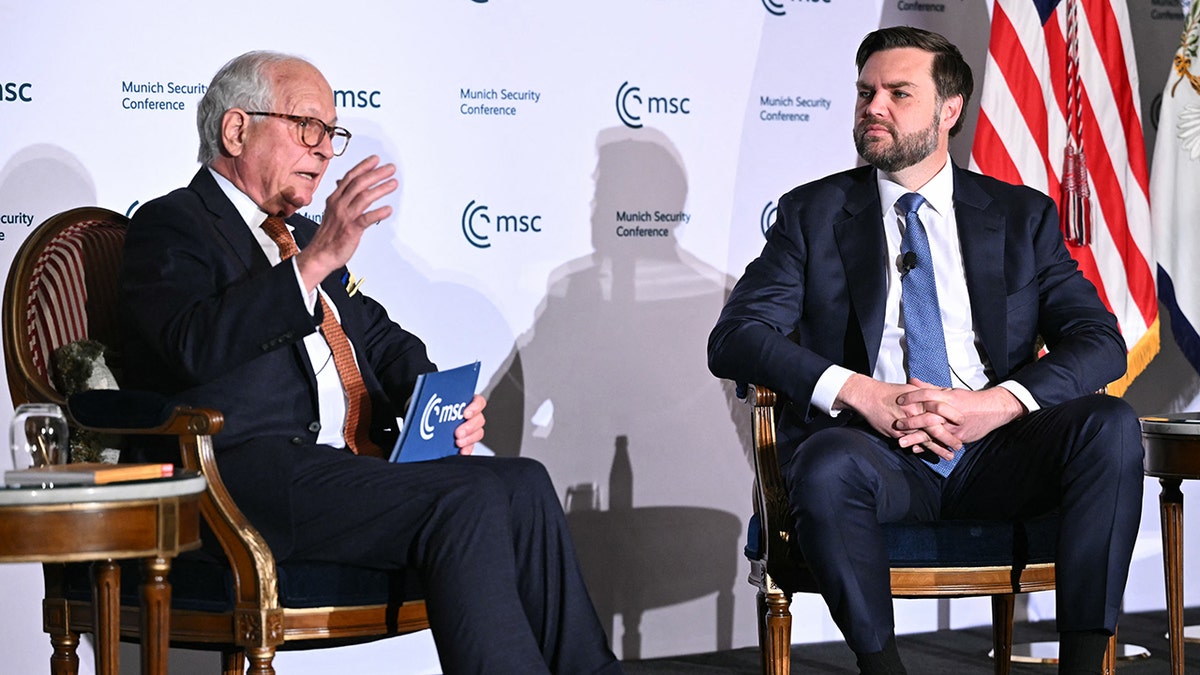
According to verified reports, Vice President JD Vance is expected to lead the U.S. Delegation in Islamabad for talks aimed at de-escalating tensions between Washington and Tehran. The discussions come amid an impasse over marine traffic in the Strait of Hormuz, with Trump maintaining a blockade of Iranian ports while Iran has reasserted military control over the strategic waterway. An Iranian Foreign Ministry spokesperson stated on Monday that Tehran had “no plans” to attend the talks, though a senior official later told Reuters the country was “positively reviewing” its participation.
The mixed signals from both sides have raised questions about the viability of the negotiations. Iran’s President Masoud Pezeshkian criticized the talks as an effort to seek the country’s surrender, stating “Iranians do not submit to force.” He cited “unconstructive and contradictory signals from American officials” amid what he described as a “deep historical mistrust” of the United States.
Trump’s own comments have varied significantly. At times, he has suggested that a deal is within reach, while in other instances he has emphasized that the U.S. Is not under pressure to reach an agreement and insisted on maintaining economic restrictions. These contradictions come as a fragile ceasefire between the two nations is set to expire, adding urgency to the diplomatic efforts in Pakistan.
The situation reflects broader challenges in U.S.-Iran relations, where periods of diplomatic engagement have repeatedly been undermined by mutual distrust and shifting positions. Previous talks have stalled over issues including Iran’s nuclear program, regional influence and maritime security in the Gulf.
As the talks approach, observers note that any progress will depend on whether both sides can move beyond public posturing to address core concerns. The international community continues to monitor the situation closely, given the potential regional implications of renewed conflict between the U.S. And Iran.
The next confirmed development is the scheduled peace talk session in Islamabad, where the U.S. Delegation led by Vice President Vance is expected to engage with any Iranian representatives who choose to participate. Readers are encouraged to follow official statements from both governments for updates on the negotiations.
Keep reading
- Kitesurfer Resuscitated After Freak Wind Gust Blows Him Into Jet Ski at Oostduinkerke Beach
- French Women’s Team Eyes European Podium: Nice Update
- US Customs Refunds $100 Billion in Trump Tariffs to Businesses (archyworldys.com)
- Trump Announces New Iran Talks as Tehran Claims Focus Remains on Oman (time.news)