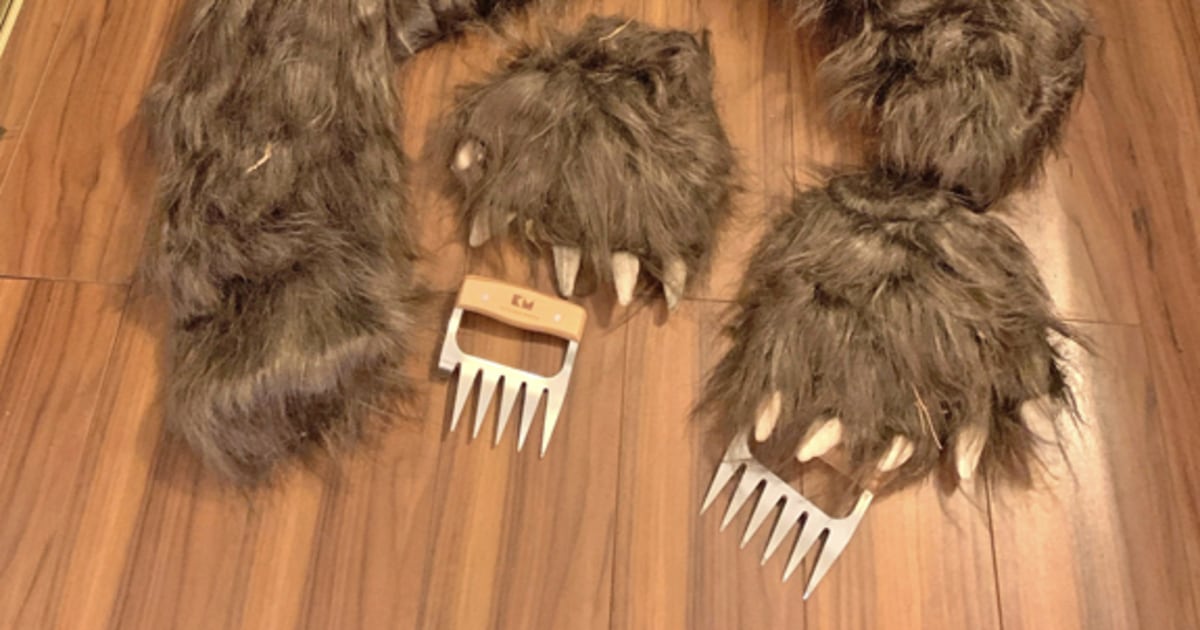
In a case that captured national attention for its bizarre blend of theatrics and fraud, three Southern California residents have been sentenced for their roles in an elaborate insurance scam involving a bear costume and multiple luxury vehicles. The scheme, which unfolded over several months in 2020 and 2021, saw the defendants allegedly stage fake animal attacks on high-end cars to file fraudulent insurance claims. Court records and sentencing documents confirm that the trio pleaded guilty to insurance fraud charges, resulting in jail time, probation, and restitution orders totaling hundreds of thousands of dollars.
The scam came to light after investigators noticed inconsistencies in surveillance footage and physical evidence at the scenes of the alleged bear attacks. Rather than claw marks or biological traces consistent with wildlife, officials found signs pointing to human involvement — most notably, a poorly concealed individual in a full-body bear suit captured on neighborhood security cameras. The revelation transformed what initially appeared to be a string of unusual wildlife incidents into a coordinated criminal investigation led by local law enforcement and insurance fraud units.
At the center of the case were Ruben Tamrazian, Ararat Chirkinian, and Vahe Muradkhanyan, all residents of Los Angeles County. According to verified court filings from the Los Angeles County Superior Court, the three were charged with multiple counts of insurance fraud and conspiracy after allegedly damaging vehicles including a Rolls-Royce, a Mercedes-Benz G-Wagon, and a Lamborghini Urus. Prosecutors asserted that each incident was staged to trigger payouts under comprehensive auto insurance policies, with claims submitted shortly after the supposed bear encounters.
Sentencing took place in early 2024, with each defendant receiving a term of probation and mandatory jail service. Court records indicate that Tamrazian, identified as the ringleader, was sentenced to 90 days in county jail followed by three years of probation. Chirkinian received 80 days in jail and three years probation, although Muradkhanyan was ordered to serve 60 days in jail with the same probation term. All three were also required to pay restitution totaling $141,839 to the affected insurance companies, a figure confirmed in the sentencing minute orders entered into the court record.
The investigation was spearheaded by the Los Angeles County District Attorney’s Insurance Fraud Unit, which collaborated with the California Department of Insurance to trace the claims and gather digital evidence. Officials noted that the suspects used rented vehicles and switched license plates to avoid detection, but overlooked key details such as gait patterns and suit mobility that ultimately gave them away. In one instance, a homeowner’s Ring camera clearly showed the bear suit’s zipper running down the back — a detail inconsistent with any known species of ursine wildlife.
Legal experts have pointed to the case as a textbook example of how opportunistic fraud schemes can unravel under close scrutiny. “Insurance fraud relies on deception, but when the story doesn’t match the physical evidence, it collapses,” said a former prosecutor with the DA’s office who reviewed the case but was not involved in prosecution. “In this case, the bear suit wasn’t just silly — it was the smoking gun.”
The incident also prompted renewed scrutiny from insurance providers regarding the verification of unusual claims. While comprehensive policies do cover animal-related damage, adjusters are now reportedly trained to look for anomalies in claim timing, location patterns, and forensic evidence when wildlife is cited as a cause. Industry analysts note that while bear-related claims are extremely rare in California, the state does see occasional legitimate incidents involving black bears in mountainous regions — making the fraudulent utilize of such claims particularly egregious.
Beyond the financial loss, the case raised concerns about public perception of wildlife and the potential harm caused by misattributing criminal acts to animals. Conservation groups emphasized that false narratives about aggressive bear behavior could lead to unnecessary fear or even calls for lethal wildlife management in areas where bears are protected or ecologically vital. No actual bears were harmed or involved in the scheme, but the misuse of wildlife imagery nonetheless drew criticism from animal welfare advocates.
As of the latest available records, all three defendants have completed their jail terms and remain under probation supervision through 2027. The Los Angeles County Superior Court docket shows no pending appeals or further legal actions related to the case. Their probation includes standard conditions such as regular check-ins, prohibitions on submitting insurance claims without oversight, and mandatory financial disclosures.
This case serves as a cautionary tale about the limits of deception in the digital age, where surveillance technology and forensic diligence can expose even the most creative ruses. While the image of a bear tearing into a luxury sedan may sound like satire, the legal consequences were very real — and serve as a reminder that insurance fraud, no matter how unusual the method, carries serious penalties under California law.
For updates on court proceedings or public records related to this case, interested parties can search the Los Angeles County Superior Court’s online case access portal using the case numbers associated with the defendants’ names.
We invite readers to share their thoughts on this unusual case in the comments below and to share this article if they found it informative.
Related reading