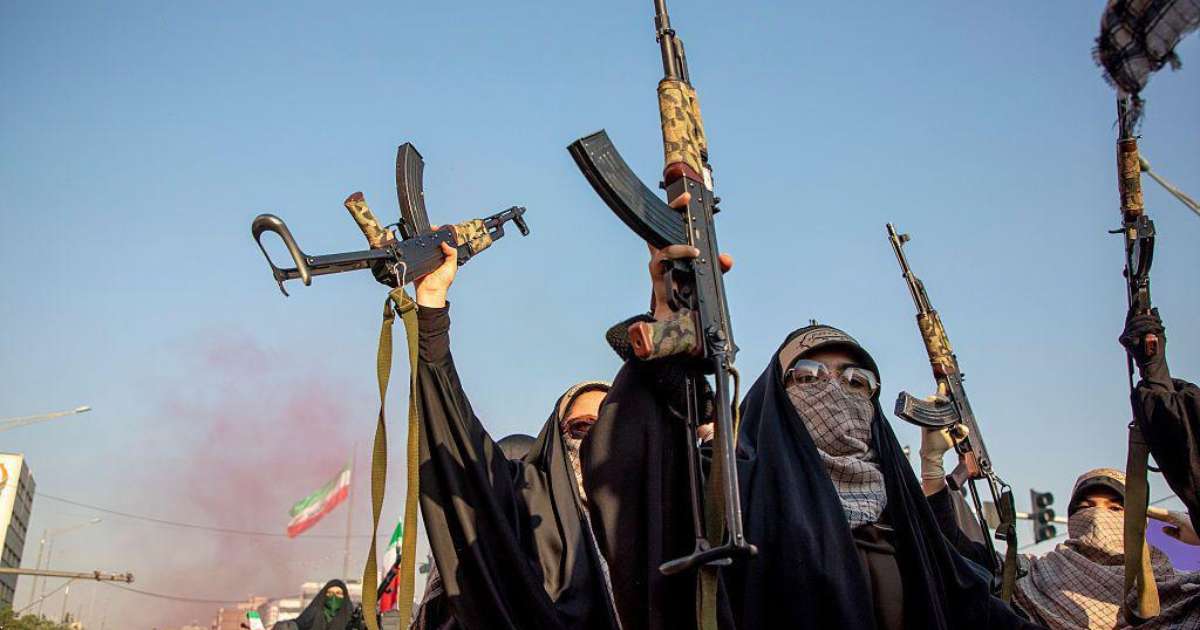
Iran’s supreme leader issued a veiled threat amid escalating tensions in the Strait of Hormuz, as multiple vessels reported recent attacks in the critical waterway. The developments come as global energy markets remain sensitive to disruptions in one of the world’s most strategic maritime chokepoints, through which approximately 20% of global oil supply passes.
The remarks by Ayatollah Ali Khamenei, delivered during a televised address to military commanders, did not name specific adversaries but warned that Iran would respond decisively to any perceived threat to its sovereignty or regional interests. Analysts interpreted the language as a signal of Tehran’s willingness to leverage its geographic advantage in the Strait, where Iranian naval forces routinely conduct patrols, and exercises.
Meanwhile, shipping authorities and maritime security agencies confirmed several incidents involving commercial vessels in the Strait over the past week. The United Kingdom Maritime Trade Operations (UKMTO) reported at least three separate events where ships described unexplained explosions or small-boat approaches, though no group has claimed responsibility. The U.S. Fifth Fleet, based in Bahrain, said it is monitoring the situation closely but has not attributed the incidents to any specific actor.
Iran’s Islamic Revolutionary Guard Corps Navy (IRGCN) has increased its presence in the area, conducting drills that simulate the closure of the Strait—a capability Tehran has referenced in past periods of heightened tension. According to satellite imagery analyzed by the Middle East Institute, Iranian fast-attack craft were observed operating in close proximity to shipping lanes near Qeshm Island on May 12, 2024.
The Strait of Hormuz, located between Oman and Iran, connects the Persian Gulf to the Gulf of Oman and the Arabian Sea. It is flanked by Iranian territory on its northern coast, giving Tehran significant influence over maritime traffic. Historically, Iran has threatened to close the Strait in response to sanctions or military pressure, most notably during periods of heightened U.S.-Iranian friction in 2019 and 2020.
Energy analysts note that even the perception of risk in the Strait can trigger volatility in oil prices. Brent crude futures rose over 1.5% following the latest reports, reflecting market sensitivity to supply chain vulnerabilities. The International Energy Agency (IEA) has warned that prolonged disruption could affect global energy security, particularly for Asian importers reliant on Gulf exports.
Diplomatic channels remain active, with Oman often serving as a backchannel mediator between Iran and Western powers. The Sultanate, which shares a maritime boundary with Iran in the Strait, has consistently advocated for de-escalation and freedom of navigation. Omani Foreign Minister Sayyid Badr Albusaidi reiterated this position in a May 10 statement, calling for restraint and dialogue to prevent miscalculation.
Meanwhile, the United States has maintained a consistent naval presence in the region through its Fifth Fleet and allied task forces. Joint exercises with partners including the United Kingdom, France, and regional Gulf states continue regularly, aimed at ensuring maritime security and deterring coercive behavior. U.S. Central Command (CENTCOM) affirmed its commitment to freedom of navigation in a May 13 update, stating that operations would continue “in accordance with international law.”
Iran’s foreign ministry has not directly addressed the recent vessel incidents but has accused Western nations of provocative behavior in the region. Spokesperson Nasser Kanaani claimed in a press briefing that foreign warships were conducting “dangerous maneuvers” near Iranian waters, though he provided no evidence to support the assertion. The claim was not corroborated by independent maritime tracking data.
Legal experts emphasize that under the United Nations Convention on the Law of the Sea (UNCLOS), transit passage through straits used for international navigation cannot be suspended, even in times of tension. Iran, while not a party to UNCLOS, has historically acknowledged the right of innocent passage in its territorial waters, though it defines the scope narrowly.
The situation underscores the fragile balance of power in the Gulf, where military posturing, economic sanctions, and regional rivalries frequently intersect. For global markets, the Strait remains a point of acute vulnerability—one where geopolitical friction can rapidly translate into economic consequence.
As of May 15, 2024, no formal investigations into the reported vessel incidents have been launched by international bodies. The UKMTO advises vessels to continue reporting suspicious activity and to follow guidance from coalition maritime forces. Updates are expected through regular security bulletins issued by the Combined Maritime Forces (CMF).
Stay informed about developments in global flashpoints. Share your thoughts in the comments below and help others understand the stakes by sharing this article.
Keep reading
- Democrats Introduce Resolution to End Unauthorized US Military Action Against Iran
- DHL Group Group Coordinator Lead Job in Monee, IL
- How Oman Became the Broker Behind the Latest Hormuz Deal (daybreakwire.com)
- UNICEF: 300 Days of Gaza War, Ukraine Casualties, and Hormuz Strait Ships Face Biofouling (archynewsy.com)