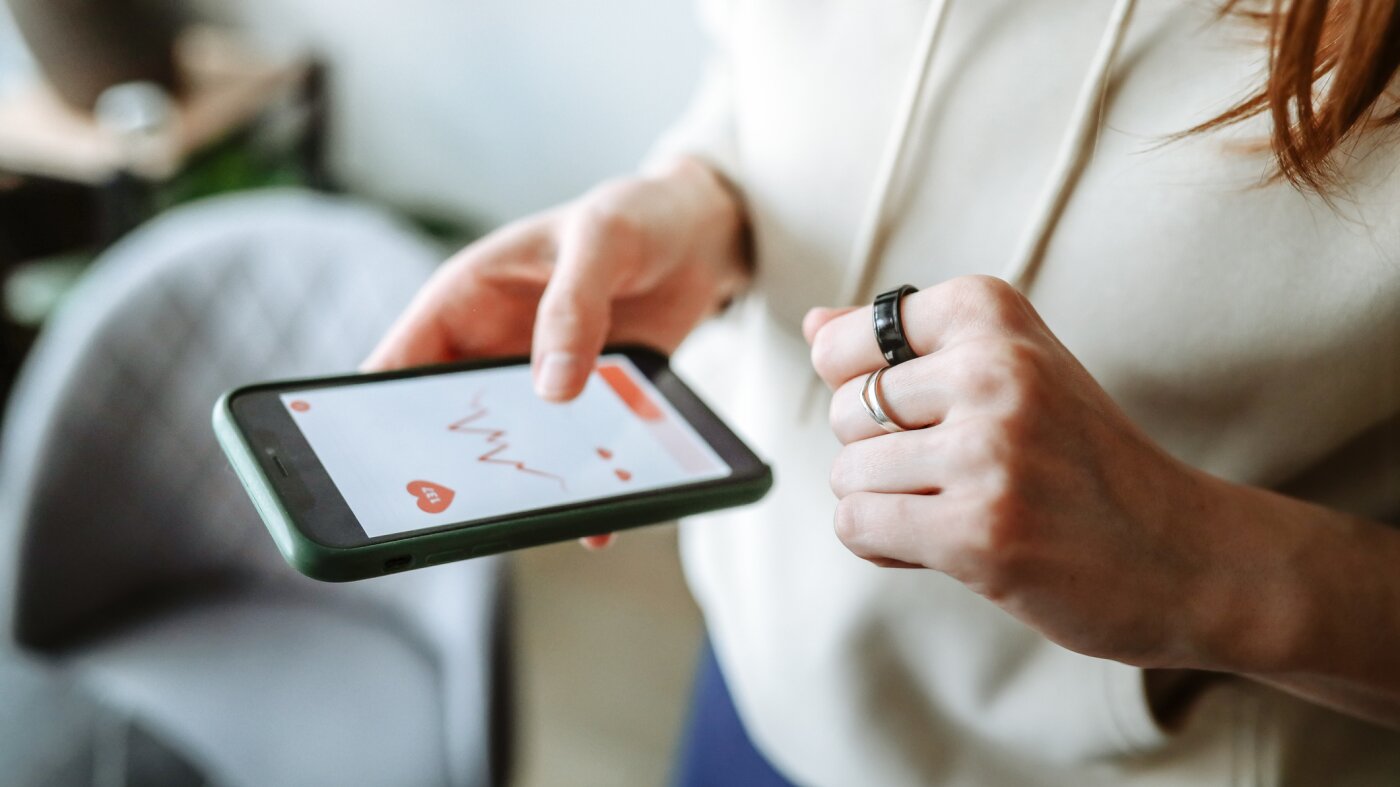
Got wearable data? Your doctor can support you connect the dots
As wearable technology becomes increasingly embedded in daily health routines, medical professionals are being called upon to interpret the flood of personal data these devices generate. From heart rate variability and sleep patterns to blood oxygen levels and stress indicators, smartwatches and fitness trackers now offer continuous streams of physiological insights. But raw data alone rarely tells the full story. Recognizing this gap, leading neurology experts have issued new guidance urging patients to bring their wearable data to clinical appointments—not as a replacement for medical testing, but as a complementary tool that can help flag early warning signs of serious conditions.
The American Academy of Neurology (AAN) recently published a position statement outlining how neurologists and primary care physicians can responsibly integrate data from consumer wearables into patient evaluations. The guidance emphasizes that whereas devices like Apple Watch, Fitbit, Oura Ring, and Whoop are not diagnostic tools, they can reveal meaningful trends—such as irregular heart rhythms, prolonged sleep disruption, or autonomic nervous system fluctuations—that may warrant further investigation. Crucially, the AAN stresses that clinical judgment must remain central, and any concerns raised by wearable data should be followed up with validated medical assessments.
This shift reflects a broader transformation in preventive care, where patients are no longer passive recipients of health advice but active participants equipped with real-time biometric feedback. However, without proper context, this data can lead to unnecessary anxiety or false reassurance. Doctors trained to interpret patterns—rather than isolated spikes—are best positioned to help users distinguish between benign variations and potential red flags. For example, a single elevated heart rate reading during exercise is expected; but a sustained increase in resting heart rate over several days, especially when accompanied by fatigue or shortness of breath, could signal underlying issues like infection, dehydration, or cardiovascular strain.
Wearable technology has advanced rapidly in recent years, with sensors now capable of estimating metrics once confined to clinical settings. Photoplethysmography (PPG) sensors in smartwatches can detect pulse wave velocity, which correlates with arterial stiffness—a known risk factor for hypertension and stroke. Some devices also monitor skin temperature trends, which may assist in identifying early signs of infection or ovulation cycles. Meanwhile, accelerometers and gyroscopes track movement and gait stability, offering potential insights into neurological conditions such as Parkinson’s disease or multiple sclerosis, where subtle motor changes often precede noticeable symptoms.
Despite these capabilities, regulators including the U.S. Food and Drug Administration (FDA) maintain clear distinctions between general wellness devices and those cleared for medical use. Only a small fraction of wearables have received FDA clearance for specific health monitoring functions, such as atrial fibrillation detection or electrocardiogram (ECG) recording. The AAN guidance reminds users that even FDA-cleared features are intended for screening, not diagnosis, and positive results should always prompt a follow-up with a healthcare provider using standardized diagnostic tools like Holter monitors or polysomnography.
Neurologists, in particular, witness promise in using wearable data to monitor conditions that fluctuate over time. Migraine sufferers, for instance, often track sleep, stress, and physical activity—all metrics commonly captured by wearables—to identify personal triggers. Similarly, patients with epilepsy may benefit from devices that detect prolonged immobility or unusual movement patterns associated with seizures, though current consumer wearables remain limited in their ability to reliably detect convulsive events without high false-positive rates. Ongoing research is exploring how machine learning algorithms applied to longitudinal wearable data could improve seizure prediction models, but such applications remain investigational.
For patients managing chronic conditions, sharing wearable data with doctors can foster more productive conversations during appointments. Instead of relying on retrospective recall—such as “I’ve been feeling tired lately”—patients can present objective trends over weeks or months. This longitudinal view helps clinicians assess treatment effectiveness, adjust medications, or recommend lifestyle modifications with greater precision. Some electronic health record (EHR) systems now allow patients to upload wearable data directly through patient portals, though interoperability between device manufacturers and health systems remains inconsistent.
Privacy and data security are also critical considerations. Health information collected by wearables is often stored on corporate servers and may be subject to different protections than data held under HIPAA-covered entities. The AAN advises patients to review privacy policies of wearable manufacturers and understand how their data may be used, shared, or sold. When sharing data with physicians, patients should use secure methods—such as encrypted clinic portals or printed summaries—rather than forwarding raw data via unsecured email or messaging apps.
Medical education is gradually adapting to this new reality. While few medical schools currently offer formal training in wearable data interpretation, continuing medical education (CME) programs and neurology conferences are beginning to include workshops on digital health tools. Experts recommend that clinicians develop a basic understanding of common wearable metrics, their limitations, and how to contextualize them within a patient’s overall health profile. This includes recognizing normal variations due to age, fitness level, medication effects, and circadian rhythms.
Looking ahead, the integration of wearable data into clinical practice will likely depend on advancements in data standardization, regulatory clarity, and clinician confidence. Initiatives like the Digital Health Measurement Collaborative Community (DATAcc) are working to establish common frameworks for evaluating and validating digital health technologies. Meanwhile, large-scale studies such as the Apple Heart Study and the Fitbit Heart Study have demonstrated that wearables can identify undiagnosed atrial fibrillation at scale, reinforcing their potential role in population-level screening—provided results are confirmed through traditional diagnostics.
For individuals considering how to use their wearable data effectively, experts suggest starting with consistency: wearing the device regularly, syncing data frequently, and focusing on long-term trends rather than daily fluctuations. Keeping a simple journal alongside wearable metrics—noting factors like stress, illness, or changes in routine—can help uncover meaningful correlations. When discussing data with a doctor, patients should be prepared to explain what they’ve observed, why they’re concerned, and what questions they hope to answer.
The next major step in this evolving landscape is the anticipated update to the AAN’s position statement on wearable technology in neurology, expected to be reviewed during the organization’s annual meeting in April 2025. This review will assess emerging evidence on new sensor technologies, clinical validation studies, and real-world implementation challenges. Until then, patients and providers alike are encouraged to approach wearable data not as a definitive diagnostic tool, but as one piece of a larger puzzle—best interpreted in partnership with a trusted healthcare professional.
If you’ve been tracking your health with a wearable device and have questions about what the data might mean, consider bringing it up at your next appointment. Share your observations openly, ask what patterns your doctor finds significant, and work together to determine whether further evaluation is warranted. Your wearable isn’t replacing your doctor—it’s giving you both a clearer view of your health over time.
- Tragedy in Sintra: Two People Injured While Attempting Rescue in Sea Cave
- Canadian Citizen of Chinese Origin Arrested for Spying at NATO Headquarters in Belgium
- OpenAI Launches Official ChatGPT App for Android Devices Worldwide (archyworldys.com)
- The Relationship Between Vaping and Health: Separating Fact from Alarmist Headlines (world-today-news.com)