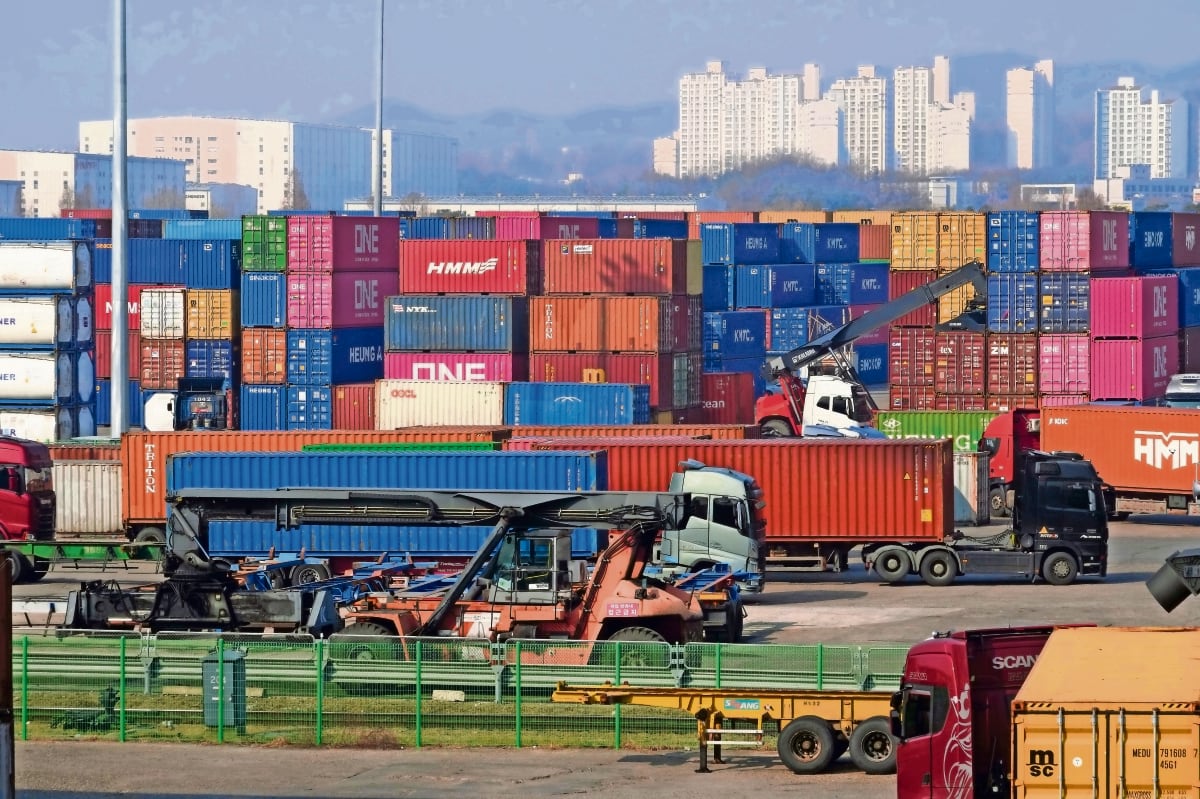
Starting today, U.S. Businesses and individuals affected by tariffs imposed during the Trump administration can formally request reimbursement through a newly activated claims process administered by U.S. Customs and Border Protection (CBP). The initiative, which follows years of legal challenges and administrative reviews, allows eligible parties to seek refunds for duties paid on certain imported goods that were later determined to be subject to unlawful or improperly implemented tariffs under Section 301 of the Trade Act of 1974.
The total potential value of these refunds has been estimated by trade analysts and legal experts to reach as high as $127 billion, though officials caution that actual payouts will depend on the volume and validity of claims submitted, as well as ongoing legal scrutiny. This figure represents cumulative duties collected since 2018 on a wide range of products, including steel, aluminum, consumer electronics, and machinery, primarily from China but also affecting imports from other countries subjected to retaliatory measures.
Whereas the opening of the claims portal marks a significant step, experts warn that disbursements may face delays due to bureaucratic hurdles, evidentiary requirements, and the possibility of further litigation. Importers must provide detailed documentation proving they paid the tariffs, that the goods were subject to the disputed duties, and that they suffered economic harm as a result — a process that could take months or even years to resolve for individual claimants.
The mechanism for reimbursement stems from a series of rulings by the U.S. Court of International Trade (CIT), which has repeatedly found that certain Trump-era tariffs exceeded the president’s statutory authority or were implemented without proper procedural adherence. In particular, courts have ruled that the administration failed to adequately investigate whether imports were being dumped or subsidized before imposing duties, violating both domestic trade law and World Trade Organization (WTO) obligations.
How the Reimbursement Process Works
To file a claim, interested parties must access the ACE Secure Data Portal, the official system used by CBP for trade-related submissions, and complete Form CBP Form 28, which serves as the application for a protest or refund of duties. Claimants are required to include:
- Proof of payment (such as customs receipts or broker statements)
- Detailed descriptions of the imported goods, including Harmonized Tariff Schedule (HTS) codes
- Evidence linking the goods to the specific tariff tranches under dispute (e.g., Lists 1–4 of the Section 301 actions)
- Documentation showing financial impact, such as increased costs passed to consumers or reduced profit margins
Once submitted, CBP has up to 180 days to issue a preliminary determination, though extensions are common. If approved, refunds are issued via electronic funds transfer or check, typically within 60 days of a final decision. Denials can be appealed through administrative channels or forwarded to the CIT for judicial review.
Legal scholars note that the burden of proof lies squarely with the claimant, and that CBP may scrutinize submissions closely to prevent fraudulent or speculative claims. “This isn’t an automatic payout,” said Jennifer Hillman, former commissioner of the U.S. International Trade Commission and current senior fellow at the Council on Foreign Relations. “It’s a legal process that requires precision, documentation, and patience. But for companies that absorbed significant costs, it could represent meaningful relief.”
Who Is Affected and What’s at Stake
The potential beneficiaries span a broad spectrum of U.S. Industry. Retailers who imported Chinese-made electronics, apparel, and home goods have been among the most vocal in seeking redress. Manufacturers relying on Chinese components for electronics, automotive parts, and industrial equipment also face substantial exposure. Agricultural producers impacted by retaliatory tariffs from China — such as soybean and pork exporters — may also qualify under related provisions, though those claims follow a separate administrative path.
Economists estimate that if even a fraction of the $127 billion potential is realized, it could inject meaningful liquidity into supply chains still recovering from pandemic-era disruptions and inflationary pressures. For small and mid-sized importers, who often lack the reserves to absorb prolonged cost increases, timely refunds could improve cash flow and support reinvestment.
However, not all observers are optimistic about the speed or scale of payouts. “History suggests that customs refunds of this magnitude rarely move quickly,” noted Douglas Irwin, professor of economics at Dartmouth College and author of Clashing over Commerce: A History of U.S. Trade Policy. “We’ve seen similar efforts after past trade disputes, and while the legal basis may be strong, the administrative machinery is not built for rapid, large-scale disbursement.”
Legal and Political Context
The Trump administration imposed the Section 301 tariffs beginning in 2018, citing unfair trade practices and intellectual property theft by China. The initial round targeted $34 billion in Chinese imports, with subsequent expansions bringing the total coverage to over $370 billion in annual trade value. Critics argued the moves were unilateral, bypassed congressional oversight, and ignored established trade remedy procedures.
Multiple lawsuits followed, filed by importers, trade associations, and even some U.S. Companies claiming the tariffs harmed their operations. In 2022, the CIT ruled in Office and Professional Employees International Union v. Trump that the president had overstepped his authority by failing to conduct the required investigations under the Trade Expansion Act of 1962. Subsequent rulings have reinforced that position, though the Biden administration has largely maintained the tariffs while pursuing a broader strategic competition framework with China.
As of 2024, the U.S. Trade Representative’s office continues to review the effectiveness and economic impact of the Section 301 measures, with interagency assessments underway. Any changes to the tariff structure would require formal notice and comment procedures, and experts say a full rollback remains unlikely in the near term due to geopolitical tensions.
What Happens Next
The next key milestone in the reimbursement process is the first wave of determinations from CBP, expected to begin issuing in late 2024 for claims submitted in the initial weeks. The agency has not published a public dashboard tracking claim volume or processing times, but stakeholders can monitor updates through the Federal Register and CBP’s official trade alerts.
For those seeking to file, the official portal and guidance documents are available through the U.S. Customs and Border Protection website. Legal counsel or trade specialists are often recommended, particularly for complex supply chains or high-volume importers.
As this process unfolds, it will serve as a test of how the U.S. Government addresses the legacy of aggressive trade policies — balancing accountability to affected industries with the realities of administrative capacity and ongoing international relations.
If you’ve been impacted by these tariffs and are considering a claim, now is the time to gather your documentation and consult official resources. Share your experience or questions in the comments below, and help others navigate this complex but potentially consequential process.
Worth a look