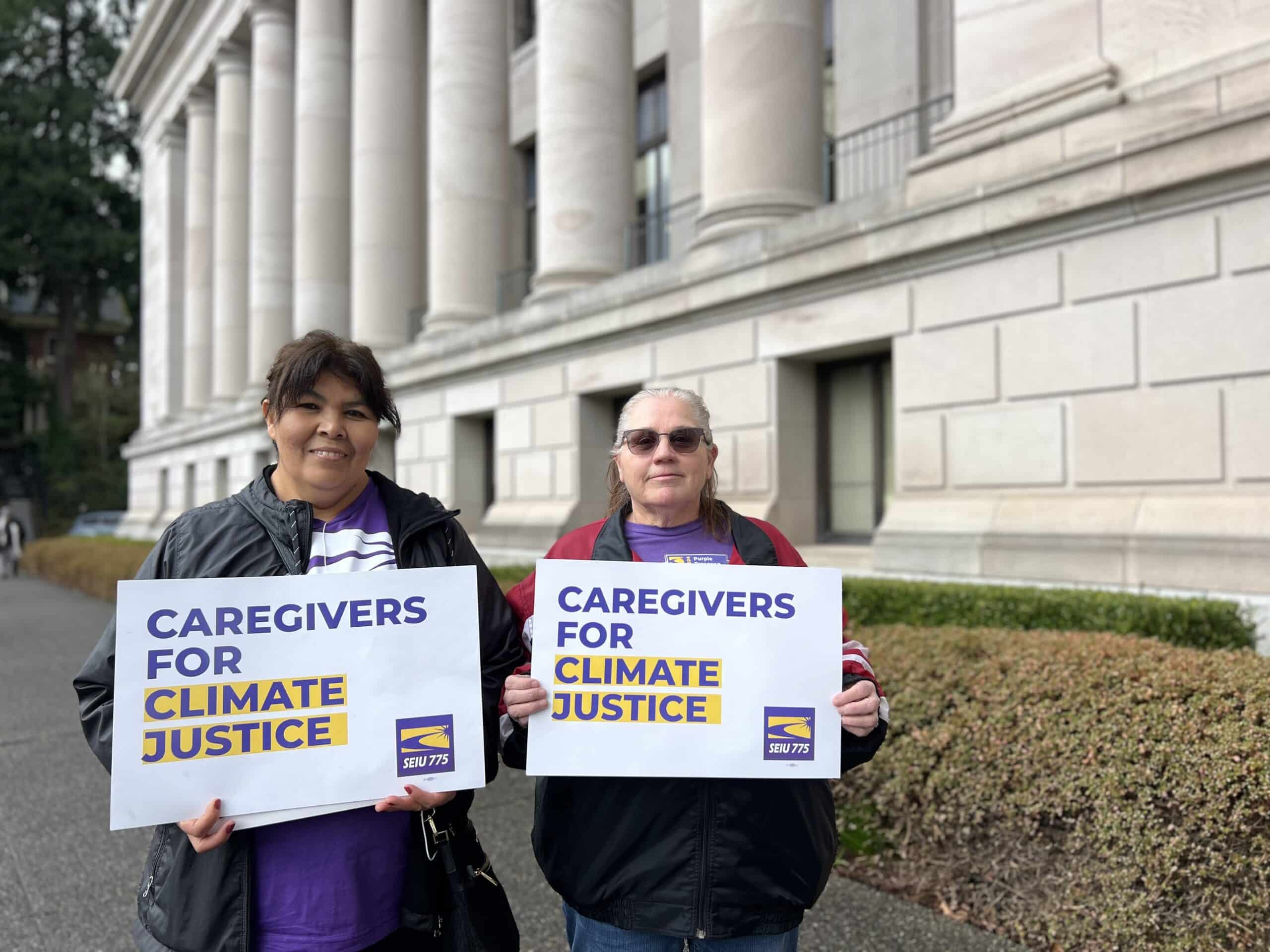
As climate patterns shift and extreme weather events become more frequent, communities across the globe are confronting new challenges in preparedness and resilience. In the United States, one labor union is taking a leading role in addressing these risks for some of the nation’s most vulnerable workers: homecare providers. SEIU 775, which represents over 50,000 long-term care workers in Washington State, has launched a comprehensive climate resilience initiative aimed at protecting both caregivers and the clients they serve during heatwaves, wildfires, and other climate-related emergencies.
The union’s efforts come at a critical time. According to the National Oceanic and Atmospheric Administration (NOAA), 2023 was the warmest year on record globally, with the United States experiencing 28 separate billion-dollar weather and climate disasters. For homecare workers — many of whom are immigrants, women, and low-income earners — these events pose heightened risks, particularly when clients are elderly, disabled, or medically fragile and unable to evacuate or regulate their own body temperatures during extreme heat.
SEIU 775’s climate preparedness program includes emergency planning training, distribution of cooling kits and air purifiers, and advocacy for policy changes that recognize climate resilience as a core component of long-term care. The initiative reflects a growing recognition among labor organizations that workplace safety must extend beyond traditional hazards to include environmental threats exacerbated by climate change.
Protecting Workers on the Front Lines of Climate Change
Homecare workers provide essential support to seniors and people with disabilities in their own homes, assisting with bathing, medication management, meal preparation, and mobility. When extreme weather strikes, these workers often become the first and sometimes only line of defense for their clients. During the 2021 Pacific Northwest heatwave — which resulted in over 600 excess deaths across Washington and Oregon — many homecare providers reported working in homes without air conditioning, struggling to keep clients cool and hydrated.
In response, SEIU 775 partnered with the Washington State Department of Health and local public health agencies to develop emergency response protocols tailored to in-home care settings. These include guidelines for recognizing heat-related illness, creating cooling plans, and coordinating with emergency services during power outages or wildfire smoke events. The union has also distributed over 10,000 cooling kits containing items such as electrolyte packs, cooling towels, and battery-powered fans to members across the state.
“Our members aren’t just employees — they’re lifelines for people who can’t leave their homes when disaster strikes,” said David Gulley, Executive Director of SEIU 775 Benefits Group, in a 2023 interview with SEIU 775’s official news site. “Climate resilience isn’t optional anymore. It’s part of the job.”
Policy Advocacy and Systemic Change
Beyond direct support for workers, SEIU 775 is pushing for systemic changes at the state level. The union has advocated for amendments to Washington State’s long-term care regulations to include mandatory climate emergency training for all homecare aides and requirements for agencies to develop facility-specific emergency plans — even though care occurs in private homes.
In 2022, SEIU 775 successfully lobbied for the inclusion of climate preparedness language in the state’s Home Care Quality Standards, which now encourage (though do not yet mandate) agencies to assess climate risks and develop contingency plans. The union continues to push for stronger enforcement mechanisms and funding to support implementation, particularly for small agencies and individual providers who may lack resources.
These efforts align with broader trends in labor and public health. The Occupational Safety and Health Administration (OSHA) has begun developing a federal standard for heat injury and illness prevention in outdoor and indoor work settings, a process that could eventually impact homecare workers if finalized. SEIU 775 has submitted formal comments to OSHA urging the agency to consider the unique risks faced by in-home caregivers.
Addressing Equity in Climate Adaptation
SEIU 775’s initiative also highlights the intersection of climate change, labor rights, and racial and economic equity. Over 60% of the union’s members identify as people of color, and nearly half are immigrants, many from Southeast Asia, Eastern Europe, and Latin America. These communities often face disproportionate exposure to climate hazards due to factors such as urban heat island effects, limited access to cooling resources, and language barriers in emergency communications.
To address these disparities, the union has developed multilingual training materials in Spanish, Vietnamese, Russian, and Somali, and works with community-based organizations to disseminate information through trusted local networks. During wildfire season, SEIU 775 has coordinated with local air quality districts to distribute N95 masks and provide real-time guidance on limiting outdoor exposure for both workers and clients.
“Climate justice is worker justice,” said Maria Sanchez, a homecare provider and SEIU 775 member from Yakima Valley, in a 2023 panel discussion hosted by the Washington State Labor Council. “If we don’t protect the people who care for our most vulnerable, we’re failing everyone.”
Looking Ahead: Next Steps in Climate Resilience for Homecare
As of early 2024, SEIU 775 is evaluating the impact of its climate resilience program through member surveys and collaboration with researchers at the University of Washington’s Department of Environmental and Occupational Health Sciences. Preliminary findings suggest that workers who received cooling kits and training reported greater confidence in managing emergency situations and felt more supported by their union.
The union plans to expand the initiative in 2024 with a focus on wildfire preparedness, including the distribution of air purifiers and development of evacuation coordination protocols for clients with mobility challenges. SEIU 775 is also exploring partnerships with utility companies to identify medically vulnerable customers for priority power restoration during outages.
The next official update on the program is expected during SEIU 775’s annual convention in October 2024, where leaders will review program outcomes and set goals for the coming year. Until then, the union continues to advise members to monitor local emergency alerts, maintain emergency contact lists, and check in regularly with clients during extreme weather events.
For homecare workers and the people they serve, climate resilience is no longer a distant concern — it’s an immediate workplace safety issue. Through training, advocacy, and direct support, SEIU 775 is helping to ensure that those on the front lines of care are not left behind as the climate changes.
Stay informed about SEIU 775’s climate resilience efforts by visiting their official website or following their social media channels. Share your thoughts or experiences with extreme weather and homecare in the comments below.
Worth a look