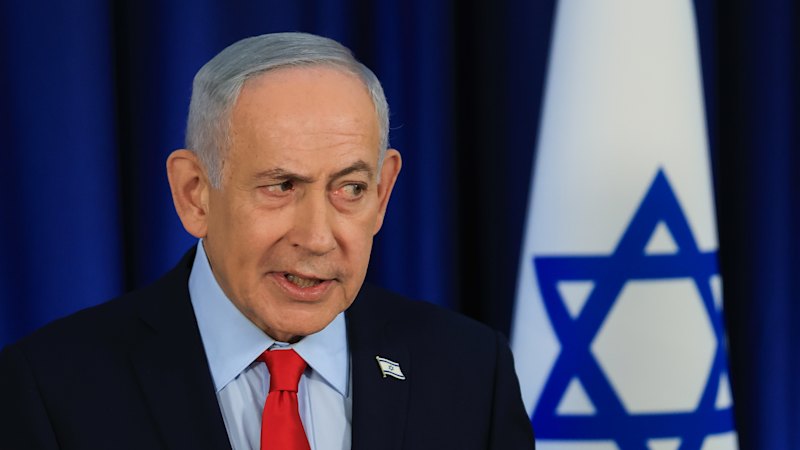
European governments are facing mounting pressure to reconsider their relationship with Israel as diplomatic tensions deepen over military actions in Gaza and Lebanon. Calls for accountability, including discussions about potential arrest warrants for Israeli officials, have emerged amid growing criticism of Israel’s conduct in the region. The rift reflects a significant shift in European public and political sentiment, particularly among nations that have historically maintained close ties with Israel.
The divide has been fueled by Israel’s ongoing military operations in Gaza, which began in October 2023 and its subsequent escalation into southern Lebanon in late 2024. European leaders have expressed concern over the humanitarian impact of these campaigns, citing widespread displacement, destruction of infrastructure, and reported violations of international humanitarian law. These concerns have been amplified by findings from United Nations bodies and humanitarian organizations documenting civilian harm.
In early April 2026, Spain became the latest European country to call for the suspension of the European Union’s trade agreement with Israel, describing its actions in Lebanon as “intolerable.” The move followed similar steps by Ireland and the United Kingdom, which have both criticized Israel’s military tactics and called for greater adherence to international law. France has previously barred Israeli defense firms from participating in major European arms exhibitions, whereas Germany—long considered one of Israel’s strongest European allies—has voiced unease over what it characterizes as Israel’s de facto annexation of parts of the West Bank.
These developments reach amid renewed debate within European institutions about the bloc’s leverage in influencing Israeli policy. Critics argue that the EU has failed to use its economic and diplomatic tools effectively to pressure Israel into changing its approach. A March 2026 analysis by the European Council on Foreign Relations noted that despite repeated expressions of concern, concrete measures such as sanctions or conditional trade policies remain absent due to internal divisions among member states.
The discussion around potential legal accountability has intensified following votes in the Israeli Knesset that have drawn international scrutiny. In early April 2026, Israeli lawmakers advanced a proposal to reinstate the death penalty for Palestinians convicted of terrorism-related offenses—a move condemned by European human rights advocates as incompatible with international legal standards. Simultaneously, reports of settler violence in the West Bank and attacks on humanitarian workers in Gaza have prompted renewed scrutiny from European lawmakers.
Irish MEP Barry Andrews, who chairs the European Parliament’s Committee on Development, visited Beirut in mid-March 2026 and described dire conditions in displacement shelters, where he reported seeing unsanitary living conditions and limited access to basic aid. Upon his return, Andrews urged the EU to revive sanctions against Israel and called for accountability mechanisms, including possible investigations into alleged war crimes. His comments reflected a growing sentiment among some European officials that stronger action is needed.
While no European country has issued an arrest warrant for Israeli Prime Minister Benjamin Netanyahu or other officials, the topic has entered public discourse in several capitals. Legal experts note that any such move would depend on jurisdictional factors and cooperation with international bodies like the International Criminal Court (ICC), which opened an investigation into the situation in Palestine in 2021. The ICC’s prosecutor has previously indicated that the court is examining alleged crimes committed since June 2014, including during recent escalations.
The humanitarian situation remains a central concern for European policymakers. According to UN data cited in early 2026, over 1.9 million people in Gaza—approximately 90% of the population—have been displaced since October 2023, with many facing severe food insecurity and limited access to medical care. In Lebanon, Israeli strikes have displaced tens of thousands, particularly in southern villages near the border, where infrastructure damage has hampered relief efforts.
European public opinion has also shifted significantly. Polls conducted in late 2025 and early 2026 by organizations such as the European Council on Foreign Relations and YouGov show declining favorability toward Israel across key EU member states, particularly among younger demographics. In Germany, France, and Italy, majorities now express criticism of Israel’s military actions, marking a departure from historical trends of strong public support.
Despite these pressures, European governments remain divided on how to respond. Some advocate for using trade agreements as leverage, while others emphasize diplomatic engagement or humanitarian aid as primary tools. The EU’s foreign policy chief has reiterated the bloc’s commitment to a two-state solution but has avoided specifying concrete consequences for non-compliance, citing the need for consensus among member states.
As of mid-April 2026, no formal proceedings toward arresting Israeli officials have been initiated by European authorities. Still, the increasing frequency of parliamentary debates, civil society campaigns, and legal inquiries suggests that the question of accountability will remain a prominent feature of Europe-Israel relations. The next key development to watch is the European Union’s foreign affairs council meeting scheduled for May 2026, where member states are expected to discuss further responses to the ongoing conflict.
For ongoing updates on this evolving situation, readers are encouraged to consult official statements from the European External Action Service, reports from the United Nations Office for the Coordination of Humanitarian Affairs, and rulings from the International Criminal Court. Share your thoughts on how Europe should balance its strategic interests with its humanitarian and legal obligations in the comments below.
Keep reading