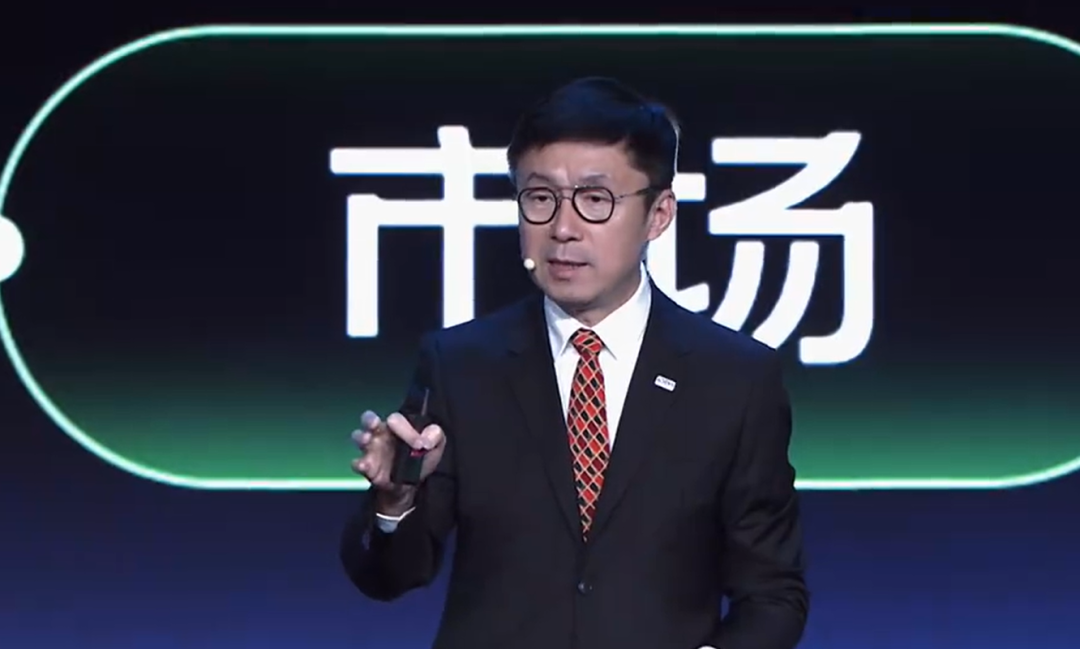
Love it or hate it, artificial intelligence is reshaping the entertainment industry, and few topics have sparked as much debate in China’s media landscape as the emergence of AI-powered “digital avatars” of real actors. At the center of this conversation is Gong Yu, founder and CEO of iQiyi, one of China’s leading streaming platforms. In a series of public statements made on April 21, 2026, Gong addressed growing concerns about the company’s “Nadou Pro” AI artist library, emphasizing that the technology is designed to serve creators and audiences—not replace human performers.
The controversy intensified after iQiyi announced its AI artist library initiative, which allows for the creation of digital versions of actors using artificial intelligence. Critics raised alarms about consent, compensation, and the potential erosion of actors’ rights in an era where AI can replicate facial features, voices, and performances with increasing realism. Gong Yu responded directly to these concerns through posts on his official Weibo account and in interviews with major Chinese media outlets, seeking to clarify the platform’s position and operational guidelines.
According to Gong Yu, the foundation of iQiyi’s approach rests on the principle that “technology must be human-centered” and that “technology is always meant to serve people, never to replace them.” He stressed that the goal of integrating AI into film and television production is to enhance creative output, reduce the physical burden on artists, and ultimately expand opportunities within the industry. “We want to make the cake bigger,” he said, “so more creators can benefit, and artists can focus more on the art of creation rather than grueling schedules.”
One of the most contentious aspects of the debate has been the authorization process for actors wishing to participate in the AI artist library. Gong Yu explained that participation is entirely voluntary and governed by strict rules mirroring those of traditional production. “An actor’s authorization works like this: we have a list of actors on our Nadou Pro platform. Only if they express willingness can we proceed with AI creation. They are simply stating an intent to discuss. Our rules are identical to current industry practice—whether an actor wants to join a project, or play a specific role, requires their explicit consent. And just like now, that decision is mediated through their agent or agency, with no change to the existing business model.”
He further clarified that granting permission for one specific project or role does not imply blanket approval for other uses. “If an actor agrees to authorize their likeness for this project and this role, it does not mean they consent to any other project or any other role. This aligns completely with real-world industry norms. This approach allows for a smooth transition, reduces resistance from performers, and ensures respect for individual agency.”
Regarding compensation, Gong Yu acknowledged that earnings from AI-assisted projects might initially be lower than traditional acting fees, given the reduced time and physical demand involved. However, he framed this as a trade-off that could improve work-life balance. “Actors know how tough it is—living in Hengdian for four or five months, working 13 to 14 hours a day with no personal life. After authorizing AI use, they could transition to something closer to a regular office job: still busy, but with room for personal life. They might earn less per project, but instead of doing two projects a year, they could manage four. Though I wouldn’t recommend taking on fourteen—that would be unsustainable.”
The statements came amid a wave of online discussion, with the topic “iQiyi CEO Gong Yu responds to AI artist library controversy” trending across Chinese social media platforms. Search indexes showed significant spikes in queries related to “AI actor authorization,” “digital likeness rights,” and “iQ Nadou Pro” following the CEO’s remarks. While some netizens welcomed the transparency, others remained skeptical, calling for stronger legal frameworks and independent oversight to protect performers in the evolving digital landscape.
Industry analysts note that iQiyi’s Nadou Pro system represents one of the first major attempts by a Chinese streaming giant to institutionalize AI-assisted performance within a structured consent framework. Similar initiatives have been explored globally, including Hollywood’s ongoing negotiations around AI use in residuals and likeness rights, though China’s regulatory environment remains less defined in this area. As of April 21, 2026, no specific national legislation governs AI-generated performer likenesses in China, leaving companies like iQiyi to self-regulate through internal policies.
Gong Yu concluded his remarks by reiterating iQiyi’s commitment to collaboration. “We hope to serve both audiences and creators well—delivering more, better, and more exciting content while lifting up everyone involved in the creative process. Technology should lift people up, not push them out.”
For ongoing updates on iQiyi’s AI artist library policies and related developments in AI ethics within entertainment, readers can refer to official statements from iQiyi’s corporate communications channel or follow regulatory discussions from China’s National Radio and Television Administration.
What are your thoughts on the balance between innovation and performer rights in the age of AI? Share your perspective in the comments below, and help spread informed discussion by sharing this article with others who care about the future of creative industries.
Worth a look