On April 16, 2026, the Consulate General of the Republic of Korea in Shanghai conducted a special consular outreach mission at the historic site of the Goryeo Diplomatic Office in Ningbo, Zhejiang Province, China. This initiative, known locally as “find-and-serve consular service” (순회영사), marked a symbolic reconnection between modern diplomatic practice and a venue that once facilitated official exchanges between the Goryeo Dynasty and the Song Dynasty over nine centuries ago. The event was held within the preserved compound of the former Goryeo mission, now situated in Yuehu Park in Ningbo’s urban center.
The outreach service provided routine consular assistance to overseas Koreans residing in the region, including passport renewals, notarizations, and civil affairs documentation. What distinguished this particular mission was its deliberate staging at a location historically recognized as a dedicated guesthouse for Goryeo envoys during the 12th century. According to historical records referenced by local officials during the visit, the Ningbo site was established by the Song Dynasty to accommodate diplomatic delegations from Goryeo, reflecting the strategic importance both kingdoms placed on maintaining stable bilateral ties amid regional tensions with rival powers such as the Liao and Jin dynasties.
During the visit, consular staff from Shanghai toured the exhibition halls within the Goryeo Diplomatic Office compound, where they received detailed briefings from Ningbo municipal representatives about the archaeological findings and historical narratives associated with the site. These explanations covered the scale of past diplomatic missions — some involving nearly 1,000 personnel — and the logistical support provided by the Song court, including the use of specially constructed vessels known as “shenzhou” (divine ships) for transporting envoys across the East China Sea.
The initiative forms part of broader efforts by South Korea’s Ministry of Foreign Affairs to enhance accessibility to consular services for its diaspora communities worldwide. Even as regular “mobile consulate” operations are conducted monthly in areas with concentrated Korean populations — such as New Malden in London — this Ningbo event represented a unique iteration, blending administrative function with historical commemoration. Officials emphasized that conducting the outreach at such a site underscored the enduring relevance of diplomatic engagement and the value of leveraging shared heritage to strengthen contemporary international relations.
No personal data or specific case details from the consular transactions were disclosed publicly, in accordance with standard privacy protocols governing overseas citizen services. The Ningbo municipal authorities confirmed that the Goryeo Diplomatic Office site has been preserved as a cultural heritage landmark, with ongoing efforts to improve public access and educational programming related to Korea-China historical exchanges.
Historical Context of the Goryeo Diplomatic Office in Ningbo
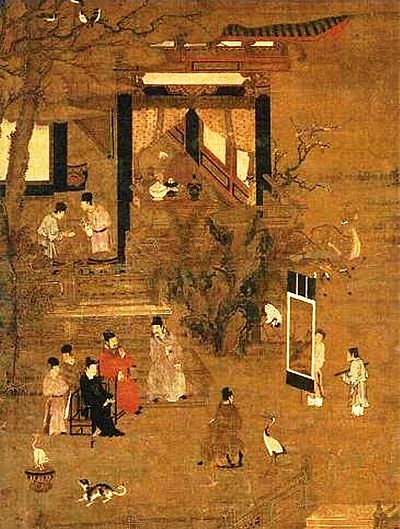
The Goryeo Diplomatic Office in Ningbo was established during the Northern Song Dynasty as a state-sponsored facility to host officials from the Goryeo Kingdom, which ruled the Korean Peninsula from 918 to 1392. Situated in what was then a major port city along China’s southeastern coast, the office served not only as a lodging and administrative base for visiting envoys but also as a hub for trade, cultural exchange, and intelligence gathering. Historical accounts suggest that Goryeo sent regular missions to the Song court to negotiate tributary relations, discuss border security, and acquire advanced technologies in fields such as astronomy, printing, and naval architecture.
Archaeological investigations conducted in recent years have uncovered structural remnants consistent with large-scale institutional buildings, including foundation stones and roof tiles dating to the 12th century. These findings align with textual sources from the Goryeo-sa (History of Goryeo) and Song shi (History of Song), which describe the office as a spacious complex capable of accommodating large retinues. The site’s location near Ningbo’s historic moon lake (Yuehu) placed it within a zone already associated with foreign diplomatic activity, facilitating oversight by local authorities.

The Song Dynasty’s decision to invest in such infrastructure reflected its broader foreign policy objective of cultivating alliances with stable, militarily capable neighbors to counter threats from northern nomadic groups. Goryeo, renowned for its strong cavalry and naval forces, was viewed as a valuable partner in maintaining regional equilibrium. In return, Goryeo gained access to Song markets, Confucian scholarly networks, and diplomatic recognition that bolstered its legitimacy on the international stage.
Following the decline of the Song Dynasty and subsequent shifts in regional power dynamics, the formal function of the Ningbo office diminished. However, archaeological and documentary evidence indicates that informal Korean-Chinese contact continued through maritime trade routes, particularly during the Yuan and Ming dynasties. The site was eventually repurposed and largely obscured by urban development until renewed scholarly interest in the 20th century prompted preservation efforts.
Modern Consular Outreach and Diaspora Engagement
The Consulate General in Shanghai routinely conducts monthly consular outreach visits to cities across its jurisdiction, which includes Zhejiang, Jiangsu, and Anhui provinces. These missions are designed to reduce barriers for overseas nationals who may face challenges traveling to the consulate’s primary office in Shanghai due to distance, mobility constraints, or limited awareness of available services. Services typically offered during such visits include processing of passport applications, registration of vital events (births, marriages, deaths), notarial acts, and assistance with overseas voting.
In 2024, the Shanghai consulate reported serving over 12,000 overseas Koreans through its network of regional outreach points, with mobile consular teams conducting approximately 25 missions annually across eastern China. The Ningbo event in April 2026 was notable not only for its historical symbolism but also for its timing — coinciding with the first half of the year’s scheduled consular outreach calendar and occurring shortly after the South Korean presidential inauguration, which often prompts increased demand for document processing among expatriates seeking to update records or participate in civic processes.
Participants in the Ningbo outreach included both long-term residents and newer arrivals, reflecting the diverse composition of the Korean community in eastern China. While exact attendance figures were not released, consular staff noted steady engagement throughout the day, with many visitors expressing appreciation for the convenience of accessing services locally. Some attendees also took the opportunity to tour the historical exhibition, indicating a dual interest in practical administrative needs and cultural enrichment.
The Ministry of Foreign Affairs in Seoul has highlighted such outreach initiatives as critical components of its global consular strategy, particularly in regions where Korean populations are growing but institutional presence remains limited. By adapting service delivery to local contexts — whether through mobile units, partnership with local governments, or utilization of historically significant venues — the ministry aims to uphold its obligation to protect and assist citizens abroad while fostering goodwill with host communities.
Significance of Combining History and Diplomacy
Conducting a modern consular mission at a site with over 900 years of diplomatic resonance carries implications beyond mere convenience. It serves as a tangible reminder of the deep historical roots of Korea-China relations, which have endured through dynastic changes, conflicts, and periods of renewed cooperation. By anchoring contemporary administrative functions within a historically authentic setting, officials aim to reinforce public awareness of the longevity and resilience of bilateral engagement.
Experts in international relations note that such symbolic gestures can contribute to soft power dynamics, fostering mutual understanding by highlighting shared historical experiences rather than focusing solely on contemporary disputes. The visibility of the event — covered by Korean-language media outlets serving overseas audiences — also helps disseminate awareness of this heritage among younger generations of the diaspora who may have limited exposure to pre-modern aspects of their ancestral history.
the choice of venue underscores the role of local governments in preserving and promoting cross-cultural heritage. Ningbo’s municipal authorities have invested in restoring and interpreting the Goryeo Diplomatic Office site, including the development of multilingual signage, curated exhibits, and guided tour programs. Their cooperation in hosting the consular outreach reflects a broader trend of subnational diplomacy, where cities and provinces actively participate in international cultural exchange independent of national foreign policy channels.
Looking ahead, there are no announced plans to replicate this specific model at other historical Korean diplomatic sites in China, such as those once located in Kaifeng or Hangzhou. However, the success of the Ningbo initiative may inform future efforts to integrate heritage conservation with public service delivery in other bilateral contexts. For now, the Shanghai consulate continues its standard schedule of regional outreach visits, with the next confirmed mission scheduled for May 2026 in Suzhou, Jiangsu Province, according to the consulate’s publicly disseminated consular calendar.
For updates on consular services, overseas citizens are encouraged to consult the official website of the Consulate General of the Republic of Korea in Shanghai or contact the Ministry of Foreign Affairs’ 24-hour overseas emergency hotline. Community feedback and suggestions for improving access to consular assistance remain welcome through established diplomatic channels.
Keep reading