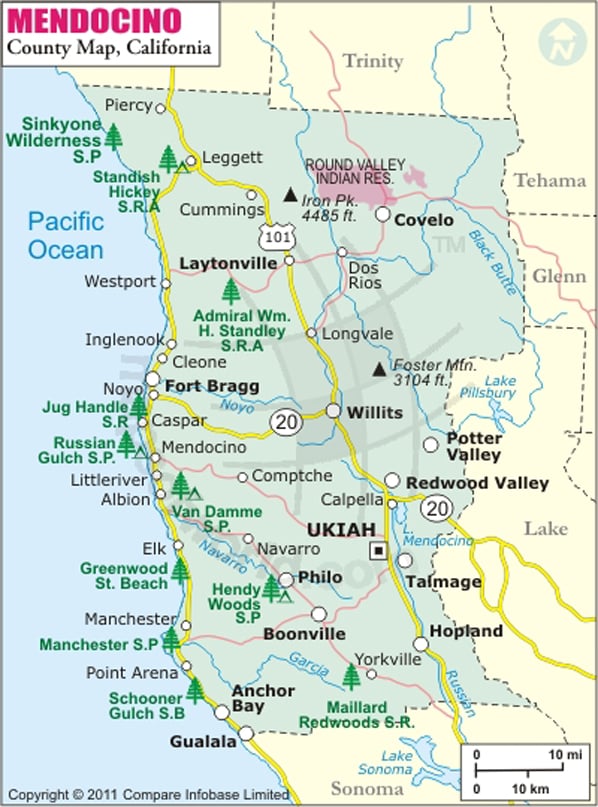
Another Californian has died after being bitten by a snake, marking the latest fatal snakebite incident reported in the state this year. The Mendocino County Sheriff’s Office confirmed the death of a 38-year-old woman in Covelo on April 20, 2026, following a venomous snake encounter. Authorities have not yet released the victim’s identity pending family notification, but confirmed she was a local resident. The incident adds to growing concerns about snakebite risks in rural Northern California regions during warmer months.
The sheriff’s office received the initial report late on April 20 and dispatched deputies to the scene in the Covelo area. Emergency medical personnel responded but were unable to revive the woman, who was pronounced dead at the location. While the specific species of snake involved has not been officially identified by authorities, Northern California is home to several venomous snakes including the Western rattlesnake (Crotalus oreganus), which is responsible for the majority of serious snakebites in the region. Snakebite fatalities remain rare in California, with the California Department of Public Health reporting an average of zero to two deaths annually from venomous snakebites over the past decade.
Quincy Cromer, spokesperson for the Mendocino County Sheriff’s Office, told SFGATE that the office was notified of the death on April 20 and is coordinating with the coroner’s office to determine the exact cause and circumstances. “Our thoughts are with the family during this difficult time,” Cromer stated. The investigation remains active, with authorities working to reconstruct the events leading up to the bite. No further details about the victim’s activities or the exact location of the incident have been released as of April 21, 2026.
This incident follows another recent snakebite-related death in California reported earlier in April 2026, though details about that case remain limited. Health officials continue to advise residents and visitors in snake-prone areas to exercise caution, particularly during dawn and dusk when snakes are most active. The California Poison Control System recommends that anyone bitten by a snake seek immediate medical attention, remain calm, and avoid applying tourniquets or attempting to suck out venom—measures that can worsen outcomes.
As temperatures rise across Northern California, wildlife experts note increased snake activity as reptiles emerge from brumation (a hibernation-like state) to forage and mate. The California Department of Fish and Wildlife emphasizes that most snakes are not aggressive and will retreat when given space, advising the public to watch where they place hands and feet when hiking or working in areas with tall grass, rocks, or woodpiles.
Understanding Snakebite Risks in California
California hosts approximately 33 snake species, of which only six are venomous and native to the state. The Western rattlesnake is the most widespread venomous species, found from coastal regions to mountainous areas up to 10,000 feet in elevation. Other venomous snakes include the Sidewinder, Speckled rattlesnake, Red Diamond rattlesnake, Southern Pacific rattlesnake, and the Mojave Desert sidewinder. While venomous snakebites occur hundreds of times annually in California, fatalities are exceptionally rare due to widespread access to antivenom and advanced medical care.
The California Poison Control System, which operates 24/7 hotlines affiliated with UC San Francisco and UC Davis Medical Centers, manages over 800 snakebite exposure calls each year. According to their data, approximately 25% of reported rattlesnake bites involve no venom injection (known as “dry bites”), while the remainder require medical intervention. Antivenom treatment, when administered promptly, is highly effective in preventing serious complications or death from venomous snakebites.
Risk factors for severe outcomes include delayed medical treatment, bites to the head or torso, and pre-existing health conditions. Children and elderly individuals may be more vulnerable to venom effects due to lower body mass or comorbidities. Public health officials stress that fear of snakes should not deter outdoor activities, but rather encourage awareness and preventive measures such as wearing boots and long pants when hiking, staying on designated trails, and never handling snakes.
Official Response and Safety Guidance
Following the Covelo incident, the Mendocino County Sheriff’s Office has not issued any area-specific warnings but reiterated general safety advice for outdoor recreation. The office directs residents to the California Department of Public Health’s venomous animal injury prevention guidelines, which include:
- Learning to identify local venomous snakes
- Wearing protective footwear and clothing in snake habitats
- Using a walking stick to probe ahead in areas with limited visibility
- Never approaching or attempting to capture snakes
- Teaching children to respect wildlife from a distance
In the event of a snakebite, officials recommend:
- Calling 911 or seeking immediate medical transport
- Keeping the victim calm and still to sluggish venom spread
- Removing jewelry or tight clothing near the bite site
- Positioning the bite area at or below heart level if possible
- Not applying ice, cut wounds, or use suction devices
- Not consuming alcohol or caffeine
The California Poison Control System can be reached at 1-800-222-1222 for emergency guidance, with specialists available to advise on snakebite management while awaiting emergency services. Medical facilities in Mendocino County, including Ukiah Valley Medical Center and Adventist Health Mendocino Coast, maintain antivenom stocks for emergency treatment.
Broader Context: Wildlife Encounters in Rural California
Fatal wildlife encounters remain statistically rare in California, but snakebites represent one of the more consistent risks associated with the state’s diverse ecosystems. Between 2010 and 2020, the California Department of Public Health recorded 18 confirmed deaths from venomous animal encounters, with snakes accounting for approximately half of those fatalities. Most incidents occur in rural or semi-rural areas where human development interfaces with natural habitats.
Climate change patterns may be influencing snake behavior and distribution, with some studies suggesting longer active seasons and potential range expansions for certain species. However, wildlife biologists caution against overstating risks, emphasizing that snakes play vital ecological roles as both predators and prey, helping control rodent populations that can carry diseases damaging to agriculture and human health.
Community education initiatives in counties like Mendocino focus on coexistence strategies rather than eradication. Local extension offices affiliated with the University of California Agriculture and Natural Resources division offer workshops on identifying beneficial versus harmful wildlife and implementing non-lethal deterrents for property protection. These programs aim to reduce negative encounters while preserving biodiversity.
As of April 21, 2026, no further updates have been released by the Mendocino County Sheriff’s Office regarding the Covelo snakebite investigation. The coroner’s office is expected to release an official cause of death determination pending toxicology and forensic analysis, though timelines for such reports vary based on case complexity and workload. Residents seeking official information are advised to monitor the Mendocino County Sheriff’s Office website or contact their public information office directly.
For those looking to stay informed about wildlife safety in California, trusted resources include the California Department of Fish and Wildlife’s living with wildlife pages, the California Poison Control System’s educational materials, and local county health department advisories. These sources provide regularly updated guidance on preventing negative encounters while appreciating the state’s natural heritage.
We encourage readers to share their experiences or questions about wildlife safety in the comments below. Have you encountered snakes while outdoors in Northern California? What precautions do you grab? Your insights could help others stay safe. Please share this article with friends or family who spend time outdoors to help spread awareness about snakebite prevention.