
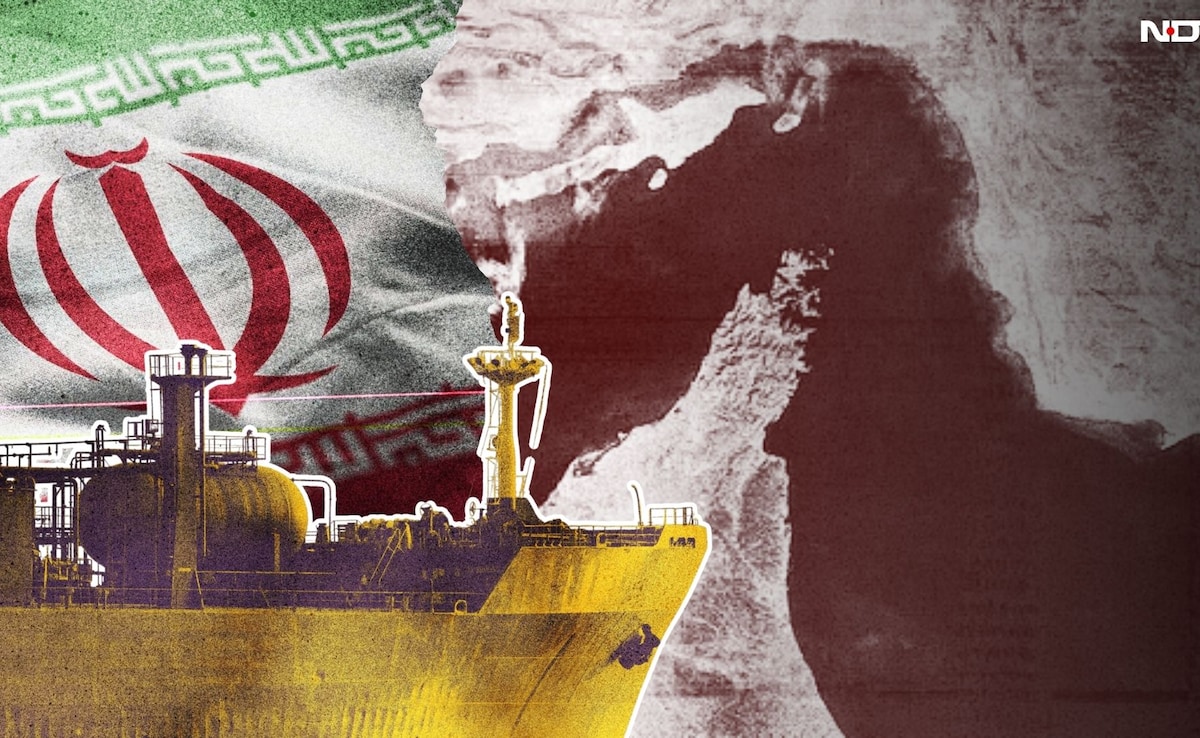
Tensions in the Strait of Hormuz remain elevated as the United States maintains its naval blockade against Iran despite an ongoing ceasefire agreement set to expire on Wednesday evening, April 22, 2026. President Donald Trump confirmed that the blockade will continue until Iran agrees to a broader peace deal, asserting that the disruption to shipping is “absolutely destroying Iran.” The situation has intensified following recent interceptions of vessels suspected of violating sanctions, raising concerns about the fragility of the temporary truce.
The blockade, which has significantly slowed maritime traffic through one of the world’s most critical oil chokepoints, forms part of a broader U.S. Strategy to pressure Iran into negotiations over its nuclear program and regional conduct. Trump emphasized that the U.S. Would not extend the ceasefire beyond its current expiration unless a substantive agreement is reached, stating in a Bloomberg interview that it is “highly unlikely” he would prolong the truce without progress toward ending hostilities. His remarks come amid conflicting signals about the prospects for renewed direct talks between Washington, and Tehran.
Recent developments have underscored the volatility of the situation. On April 19, U.S. Forces seized the Iranian-flagged cargo vessel Touska in the Gulf of Oman after it allegedly ignored warnings to stop and attempted to breach the naval blockade. The ship, described as nearly 900 feet long, was disabled and boarded by Marines from the USS Spruance during a six-hour stand-off. U.S. Central Command confirmed the action, stating that forces acted in a “deliberate, professional, and proportional manner,” while Iran condemned the move as “maritime piracy” and vowed retaliation.
Just days later, on April 20, the U.S. Navy boarded another vessel, the M/T Tifani, which American officials labeled a “stateless sanctioned ship” providing material support to Iran. The tanker, reportedly carrying around 300,000 tonnes of cargo and linked to an Indian shipping company under U.S. Sanctions, was intercepted without incident in the Indian Ocean. The department of war confirmed the interdiction, noting it was carried out under authority to interdict ships deemed to be supporting Iran’s war effort.
These actions have drawn sharp criticism from Iranian officials, who accuse the U.S. Of violating the ceasefire through repeated interdictions and aggressive rhetoric. Iran’s military headquarters warned that its Armed Forces would soon respond to what it described as acts of “armed piracy and theft” by the U.S. Military. Meanwhile, Trump has continued to issue stark warnings, telling a PBS News reporter that “lots of bombs [will] start going off” if no deal is reached before the ceasefire expires, reviving concerns about a potential escalation into broader conflict.
The current ceasefire, initially brokered after hostilities began on February 28, 2026, has been marked by mutual accusations of violations. Trump has alleged that Iran fired on ships in the Strait of Hormuz, calling it a “total violation” of the agreement, while Tehran insists the U.S. Is undermining the truce through sanctions enforcement and naval interdictions. Despite these tensions, a U.S. Delegation led by JD Vance was expected to travel to Islamabad to discuss potential peace talks, though the status of such discussions remains unclear as the deadline approaches.
Oil markets have reacted to the uncertainty, with prices fluctuating in response to fears of supply disruptions from the Gulf region. Asian stocks showed signs of optimism on hopes that diplomacy might resume before the ceasefire lapses, but analysts warn that the window for de-escalation is narrowing. The U.S. Has maintained that Iran must never be allowed to obtain a nuclear weapon and has demanded full reopening of the Strait of Hormuz to international shipping, a condition Tehran has resisted amid what it describes as an illegal blockade.
As the Wednesday evening deadline nears, the international community watches closely for any signs of renewed diplomatic engagement or further military action. With both sides entrenched in their positions and the risk of miscalculation high, the coming hours could determine whether the fragile ceasefire holds or gives way to renewed confrontation in one of the world’s most strategically vital waterways.
For ongoing updates on the U.S.-Iran situation, including official statements, military developments, and diplomatic efforts, readers are encouraged to follow verified sources such as the U.S. Department of Defense, Iran’s Ministry of Foreign Affairs, and reputable international news outlets.