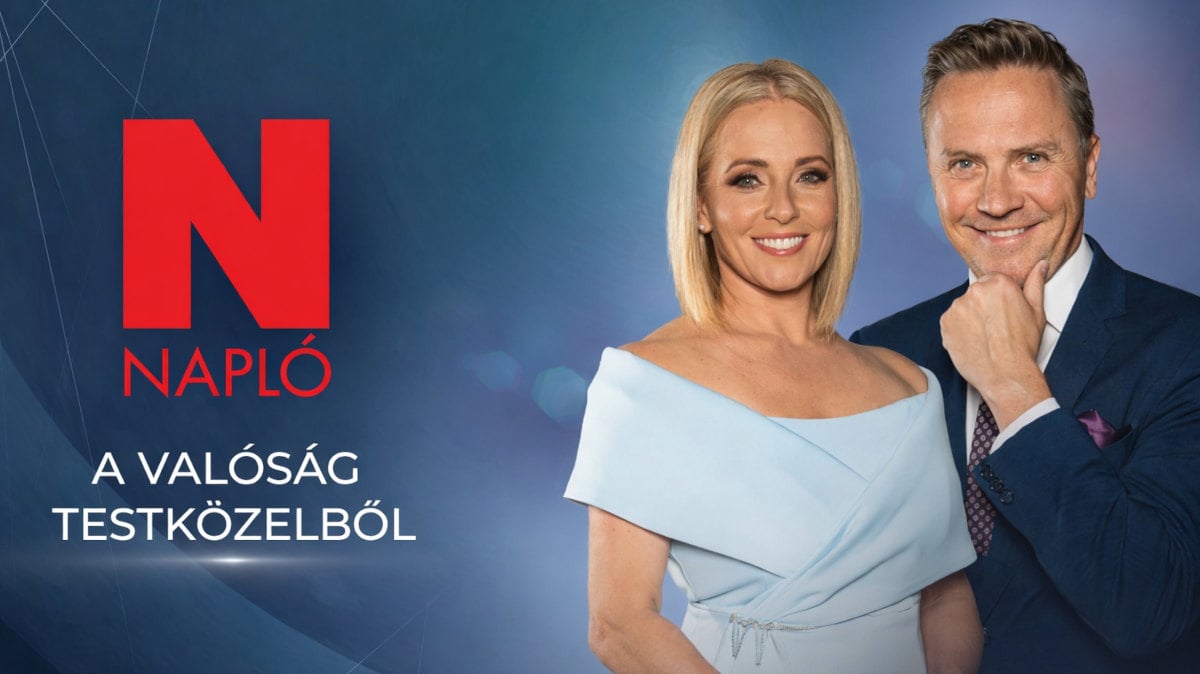
Television schedules across Hungary are undergoing an unexpected shift as a popular daily programme makes way for one of football’s most anticipated fixtures. Viewers tuning in to TV2 on Sunday, October 26, 2025, will find the regular broadcast of Napló replaced by the LaLiga El Clásico match between Real Madrid and FC Barcelona. This scheduling change, reported by multiple Hungarian media outlets, underscores the significant cultural and sporting weight carried by this historic rivalry, prompting broadcasters to prioritise live football over routine programming.
The decision to replace Napló with the El Clásico broadcast reflects both the immense viewer interest in the match and the strategic programming choices made by TV2 ahead of what is expected to be a highly viewed sporting event. While the specific implications for Napló‘s airing schedule remain unconfirmed in official statements, the temporary displacement highlights how major sporting events can influence daily television routines. For fans of the show, the change represents a notable interruption in their usual viewing pattern, albeit one tied to a globally recognised sporting occasion.
According to verified sports coverage, the El Clásico encounter is scheduled to begin at 11:00 a.m. Eastern Time, which corresponds to 5:00 p.m. In Madrid and 4:00 p.m. In London. The match will take place at the Santiago Bernabéu Stadium in Madrid, Spain, as part of the 10th matchday of the 2025/26 LaLiga season. This fixture continues a long-standing rivalry, with Real Madrid holding a historical edge in the all-time series, though Barcelona enters the match seeking to extend a recent run of positive results against their fiercest rivals.
Viewers seeking to watch the match will have several options depending on their region. In the United States, the game will be broadcast on ESPN2 and ESPN Deportes, with streaming available via the ESPN App and the LaLiga streaming hub. In Spain, the match is expected to be available on Movistar+ and other regional sports broadcasters, though specific domestic arrangements were not detailed in the accessible sources. International audiences are advised to consult local listings or official LaLiga broadcast partners for precise viewing information in their respective territories.
The scheduling adjustment on TV2 serves as a reminder of how live sports can temporarily reshape media landscapes, even in markets where football may not dominate domestic sporting conversations. As broadcasters balance regular programming with high-demand live events, such decisions often reflect both audience metrics and the unifying power of sport to draw collective attention. For now, Hungarian viewers will trade their usual evening news and features for 90 minutes of one of football’s most enduring spectacles.
Worth a look