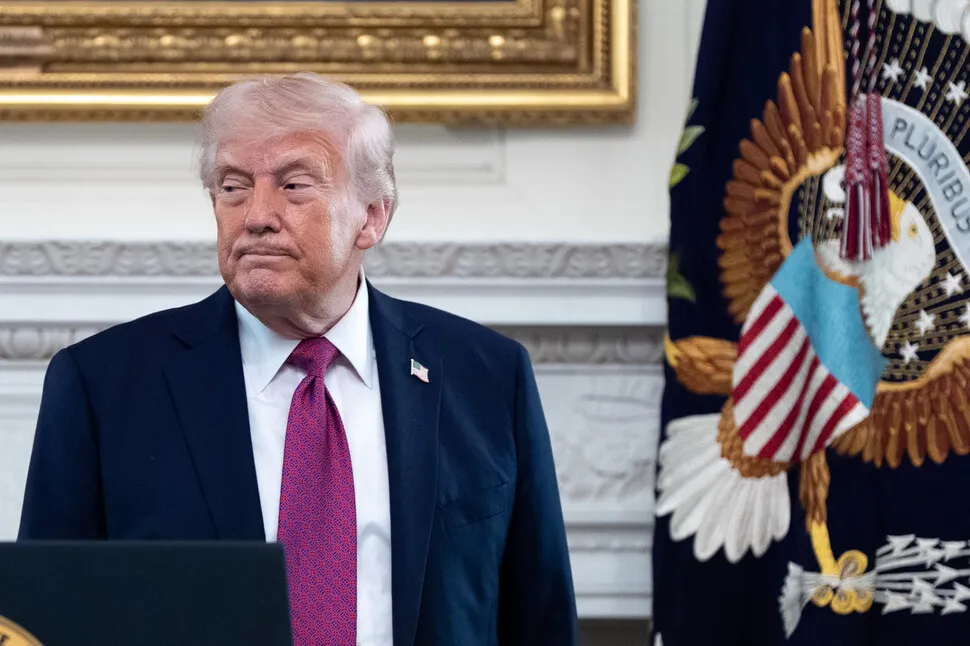
Recent polling data reveals a significant decline in public confidence in President Donald Trump’s leadership, particularly regarding his composure and handling of international conflicts. According to verified surveys conducted in April 2026, a majority of Americans question the president’s ability to maintain calm under pressure, while support for military action against Iran has dropped to historically low levels.
The findings come amid ongoing concerns about the economic impact of prolonged tensions with Iran and domestic inflation pressures. Multiple reputable news outlets have reported consistent trends in presidential approval ratings, with particular emphasis on voter sentiment regarding foreign policy decisions and economic management.
An NBC News survey commissioned through SurveyMonkey and released on April 20, 2026, found that President Trump’s overall job approval rating stood at 37%, marking the lowest point of his second term. The same poll indicated that 63% of respondents viewed his national leadership negatively, with 68% expressing dissatisfaction with his response to inflation and cost-of-living challenges.
Specifically regarding Iran, 54% of participants described the president’s approach to the conflict as “very negative,” while 61% opposed any further military actions against the country. Despite this broad skepticism, 87% of self-identified MAGA supporters continued to back the administration’s Iran policy.
These figures align with separate reporting from SBS News, which confirmed the 37% approval rating and noted that two-thirds of respondents criticized both the president’s inflation policies and Iran strategy. The outlet also reported that Republican party approval of Trump’s performance had declined slightly from earlier in the year, though it remained relatively strong at 83% among GOP voters.
Herald Corp’s coverage echoed these findings, emphasizing that 61% of Americans opposed additional military engagement with Iran. The report highlighted growing public concern over what many perceive as an inconsistent and reactive approach to international crises, contributing to broader questions about presidential temperament.
Collectively, the data suggests a widening gap between the administration’s foreign policy objectives and public sentiment, particularly as economic anxieties amplify scrutiny of leadership decisions. While core partisan support remains resilient, the erosion of confidence among independents and moderate voters presents a significant challenge ahead of upcoming electoral contests.
As of the latest verified reports, no major policy shifts or official statements from the White House have altered these polling trends. The next scheduled opportunity for public assessment of the administration’s performance will come through ongoing congressional oversight hearings and future nationally tracked surveys.
Readers are encouraged to share their perspectives on these developments and engage in informed discussion about the balance between national security priorities and domestic economic stability.
Keep reading
- Útiles, vacunas y cortes de pelo gratis: así será la feria escolar de Dallas – Univision
- Bronwyn Heslop’s death highlights the urgent need for change in South Africa’s fight against GBV
- US Crypto Ownership Drops Despite Trump Push and ETFs (archyworldys.com)
- Trump Ordina Pausa Negli Attacchi Stati Unitesi contro l’Iran (archynewsy.com)