
Jonathan Reed, Editor, News, World Today Journal
April 22, 2026
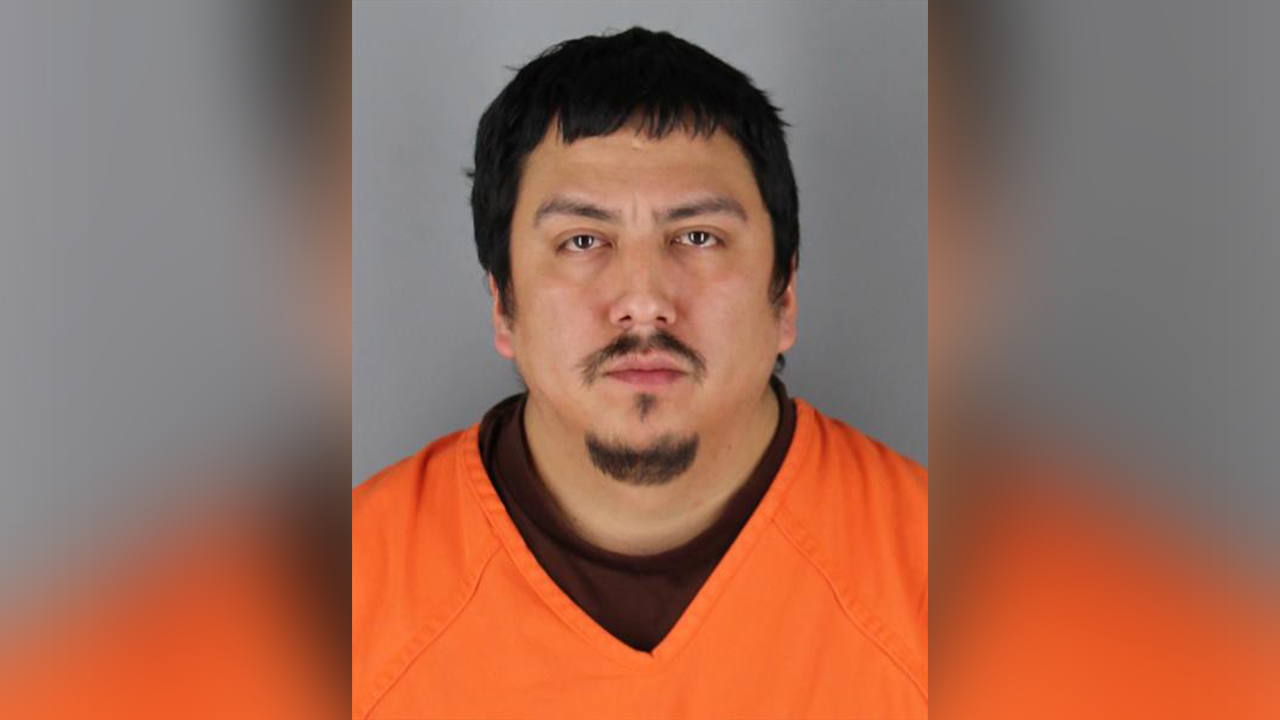
The U.S. Department of Justice has charged a Louisiana man with illegally providing the firearm used in the mass shooting that killed eight children in Shreveport last week, according to court records and federal prosecutors. The indictment alleges that the defendant knowingly transferred a weapon to Shamar Elkins, who fatally shot seven of his own children and one cousin in a domestic violence incident that shocked the nation. This development adds a legal dimension to the tragedy that has prompted renewed scrutiny over gun access and domestic violence intervention protocols.
The shooting occurred in the early morning hours of Sunday, April 19, 2026, at two residences in a Shreveport neighborhood. Elkins, 31, killed eight children ranging in age from 3 to 11 before being pursued by police and dying in an exchange of gunfire. Two adult women, including Elkins’ wife and the mother of the children, were critically wounded but survived. Authorities described the attack as an “execution-style” domestic violence incident, with victims identified as Jayla Elkins (3), Shayla Elkins (5), Kayla Pugh (6), Layla Pugh (7), Markaydon Pugh (10), Sariahh Snow (11), Khedarrion Snow (6), and Braylon Snow (5).
Federal investigators allege that the charged individual provided the gun to Elkins despite knowing he was prohibited from possessing firearms due to a prior conviction. In 2019, Elkins pleaded guilty to a weapons charge in Louisiana, which under federal law bars individuals from owning or receiving firearms. The DOJ charge centers on allegations that the defendant violated statutes prohibiting the transfer of firearms to known prohibited persons, a offense carrying significant penalties upon conviction.
Court documents filed in the Western District of Louisiana indicate the defendant made an initial appearance before a magistrate judge on April 21, 2026, where he was advised of the charges and his rights. No plea has been entered as of this reporting, and the case remains in the early stages of federal prosecution. Prosecutors have not disclosed whether the accused had any direct relationship to Elkins or the victims beyond the alleged firearm transfer.
The incident has reignited discussions about the intersection of domestic violence and gun violence prevention. Shreveport officials, including Police Chief Wayne Smith and City Councilwoman Tabatha Taylor, have emphasized that the shooting stemmed from a domestic dispute, with Taylor describing domestic violence as an “epidemic” in the community. Taylor noted that family members of the victims have requested privacy to grieve, underscoring the profound personal toll of the tragedy.
Elkins’ background reveals prior contact with both the criminal justice system and military service. Court records confirm his 2019 guilty plea to a firearms offense, while the U.S. Army confirmed he served in the Louisiana Army National Guard from 2013 to 2020 as a signal support system specialist and fire support specialist, attaining the rank of private before separation. He did not deploy during his service period.
Surveillance footage from the days preceding the shooting, obtained by local media, shows Elkins arriving at residences in the neighborhood and interacting with individuals later identified as victims. The video does not capture the shooting itself but provides context about movements in the hours before the attack. Law enforcement has stated that detectives are confident the shooting was “entirely a domestic incident,” though no specific trigger has been publicly disclosed.
The DOJ prosecution represents one of several legal threads emerging from the shooting. While state authorities continue to investigate potential charges related to the murders and assaults, the federal case focuses narrowly on the alleged illegal transfer of the weapon used. Legal experts note that such prosecutions require proof that the defendant knew or had reasonable cause to believe the recipient was prohibited from possessing firearms—a standard that hinges on evidence of awareness of the prior conviction or other disqualifying factors.
As of Wednesday, April 22, 2026, the defendant remains in federal custody pending further proceedings. A preliminary hearing is scheduled for the coming weeks, though no exact date has been published in public court calendars. The case will proceed through the federal judicial system in the Western District of Louisiana, with potential outcomes including plea negotiations, trial, or dismissal based on evidentiary rulings.
The shooting in Shreveport stands as one of the deadliest mass shootings in the United States in over two years, drawing national attention to the devastating consequences when domestic violence escalates to mass violence. Community vigils and memorials have been held in Shreveport, with residents leaving candles, flowers, and handwritten notes near the scene. Local leaders have called for increased resources for domestic violence survivors and better coordination between law enforcement, social services, and mental health providers.
For ongoing updates on the federal case, members of the public can access the Public Access to Court Electronic Records (PACER) system or consult the official website of the U.S. Attorney’s Office for the Western District of Louisiana. These sources provide filings, hearing schedules, and public notices related to the proceeding.
This story continues to develop. Readers are encouraged to share verified information and engage in respectful dialogue about preventing similar tragedies through community awareness and policy reform.