European Union officials have cleared the way for a €90 billion loan package to Ukraine, marking a significant development in the bloc’s ongoing support for Kyiv amid the prolonged conflict with Russia. The decision, made by the EU’s Permanent Representatives Committee (Coreper), represents a critical step in overcoming previous obstacles to the financial assistance, which had been delayed due to objections from certain member states.
The approval comes as part of a broader package that also includes the twentieth round of sanctions against Russia, underscoring the EU’s dual approach of providing economic support to Ukraine while increasing pressure on Moscow. According to reports from EU officials, the loan mechanism had been blocked primarily by Hungary, which had raised concerns about the financial implications and conditions attached to the assistance.
Following the Coreper approval, the European Commission will now initiate a written procedure for the formal adoption of the loan agreement. This procedural step is necessary before the funds can be disbursed to Ukraine’s government, which has been seeking sustained international support to maintain its defense capabilities and stabilize its economy amid ongoing Russian aggression.
The timing of the decision coincides with intensified diplomatic efforts to strengthen Ukraine’s position, including discussions about potential pathways for Ukrainian accession to the European Union. EU officials have indicated that recent political changes in Hungary may create opportunities to advance both the financial support package and Ukraine’s European integration prospects.
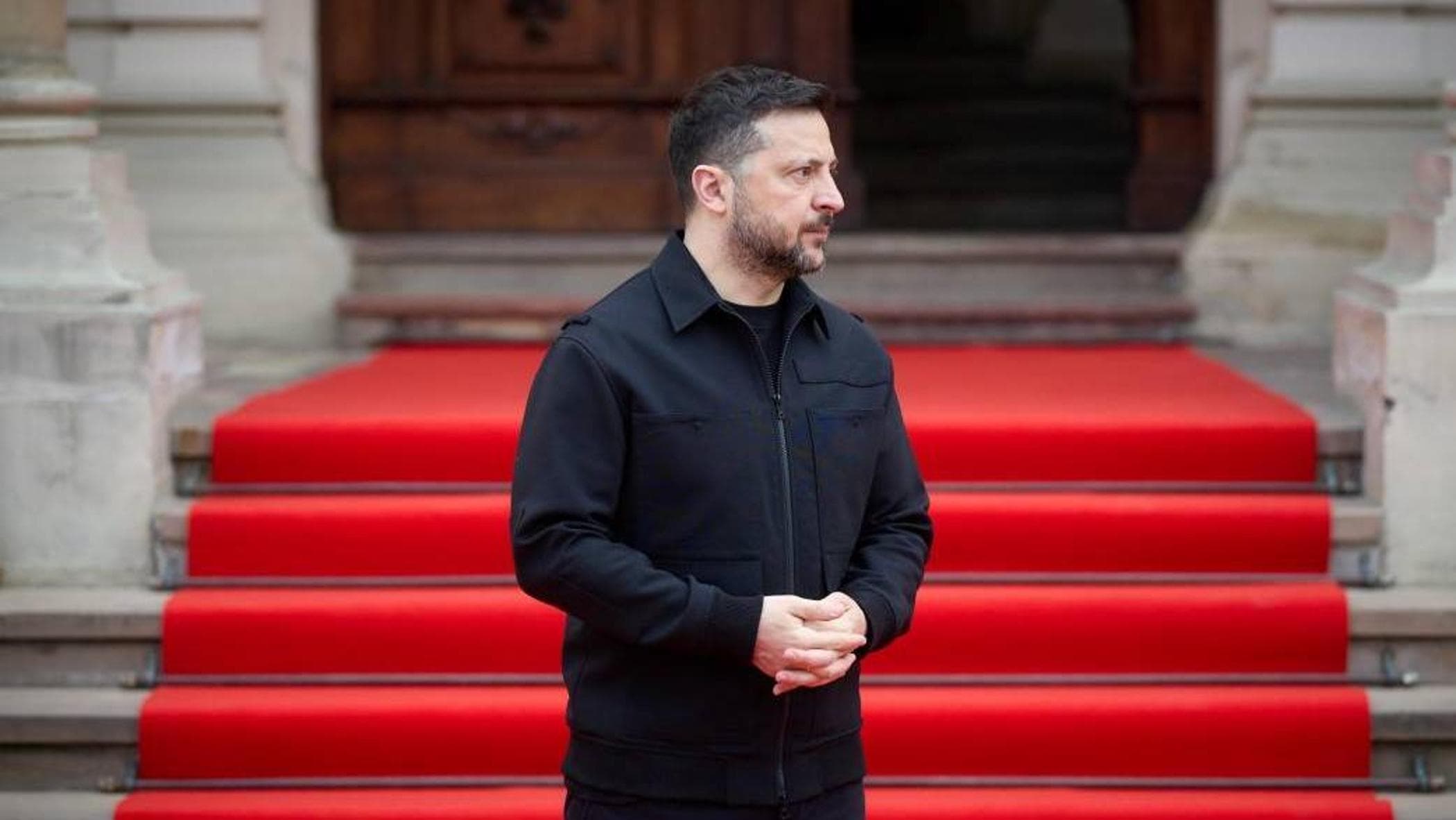
Ukrainian President Volodymyr Zelensky has welcomed the development, emphasizing that the financial assistance will be crucial for sustaining the country’s resistance and reconstruction efforts. In recent statements, Zelensky has also highlighted the importance of maintaining international pressure on Russia, arguing that any relaxation of sanctions would be inappropriate given Moscow’s continued actions in the conflict.
The loan package forms part of a larger international effort to support Ukraine, which has included financial assistance from the United States, international financial institutions and other European nations. EU officials have stressed that the funds will be directed toward supporting Ukraine’s budgetary needs, including defense expenditures and essential public services, rather than being tied to specific military procurement.
As the situation continues to evolve, the European Union faces ongoing challenges in maintaining unity among its member states regarding Ukraine policy. While the Coreper approval represents a significant step forward, the implementation of the loan package will require continued coordination and monitoring to ensure the funds are used effectively and in accordance with EU financial regulations.
Background on the EU Loan Mechanism
The €90 billion loan package represents one of the largest financial assistance programs ever considered by the European Union for a single recipient country. The mechanism was designed to provide Ukraine with access to capital markets through EU guarantees, allowing Kyiv to borrow at favorable rates despite the heightened risk premiums associated with the ongoing conflict.
Under the arrangement, the European Commission would act as a guarantor for loans issued by international financial institutions, thereby reducing the borrowing costs for Ukraine. This approach allows the EU to provide substantial financial support while limiting direct budgetary exposure for member states, as the guarantees would only be called upon if Ukraine were to default on its obligations.

The development of this financial mechanism followed extensive negotiations among EU member states, with particular attention paid to ensuring adequate safeguards and monitoring mechanisms. Officials have emphasized that disbursement of funds will be contingent upon Ukraine meeting certain governance and reform criteria, consistent with the EU’s approach to financial assistance in other contexts.
The loan package is intended to complement other forms of support, including direct budget assistance, humanitarian aid, and military equipment provided by individual member states and international partners. Together, these measures aim to help Ukraine maintain its sovereignty and territorial integrity while pursuing a peaceful resolution to the conflict.
Sanctions Package and Economic Pressure
In conjunction with the loan approval, the European Union has also adopted its twentieth package of sanctions against Russia. This latest round of measures targets various sectors of the Russian economy and aims to further restrict Moscow’s ability to finance its military operations.
The sanctions include additional restrictions on Russian exports, particularly in areas where the country has sought to circumvent previous measures. EU officials have stated that the cumulative effect of these sanctions is intended to degrade Russia’s war-fighting capacity over time while minimizing unintended consequences for global markets and third countries.
Analysts have noted that the effectiveness of sanctions depends on consistent implementation and enforcement across all member states, as well as cooperation with international partners to prevent sanctions evasion. The EU has established monitoring mechanisms to track compliance and has indicated willingness to adjust measures as needed based on evolving circumstances.
The combination of financial support for Ukraine and sustained economic pressure on Russia reflects the EU’s comprehensive strategy to address the conflict. Officials have emphasized that both elements are necessary components of a broader approach that also includes diplomatic efforts to achieve a lasting peace settlement.
Regional Implications and Energy Considerations
The resolution of financial and sanctions matters has coincided with developments in regional energy infrastructure, particularly regarding the Druzhba pipeline, which transports oil from Russia to several European countries. Reports indicate that recent repairs to the pipeline have restored its full operational capacity, addressing previous disruptions that had affected energy supplies to certain member states.
The Druzhba pipeline has been a point of contention in EU-Russia relations, with some member states advocating for reduced dependence on Russian energy while others have emphasized the importance of maintaining stable energy supplies. The restoration of full capacity has been welcomed by countries that rely on the pipeline for their energy needs, while also raising questions about the broader implications for European energy security.
EU officials have reiterated their commitment to diversifying energy sources and reducing overall dependence on Russian fossil fuels as part of the bloc’s long-term energy strategy. Though, they have acknowledged that certain infrastructure will continue to play a role in meeting immediate energy demands during the transition period.
The intersection of energy policy, financial assistance, and sanctions policy illustrates the complex interconnectedness of the various dimensions of the EU’s response to the conflict. Officials have stressed the require for coordinated approaches that balance immediate practical considerations with longer-term strategic objectives.
Ukraine’s Perspective and Reform Agenda
From Kyiv’s perspective, the approval of the EU loan package represents a significant vote of confidence in Ukraine’s ability to withstand Russian aggression and eventually rebuild. Ukrainian officials have stated that the funds will be essential for maintaining government functions, supporting displaced populations, and financing reconstruction efforts in areas affected by the conflict.
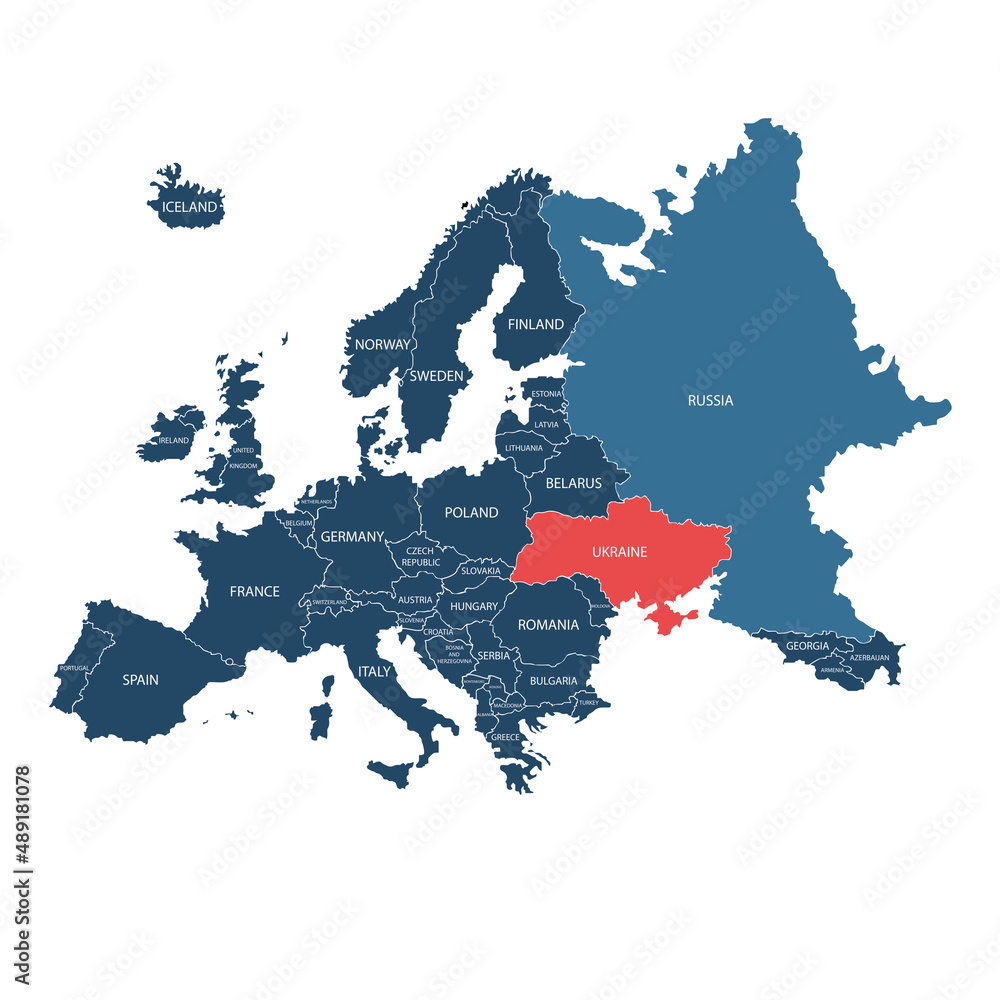
The Ukrainian government has also indicated its commitment to implementing the reforms and governance measures associated with the loan agreement. These include efforts to strengthen anti-corruption mechanisms, improve public financial management, and enhance the business environment to support long-term economic recovery.
President Zelensky has framed the EU’s support as part of a broader European integration process, noting that financial assistance and potential membership prospects are interconnected elements of Ukraine’s strategic orientation toward the West. He has emphasized that Ukraine’s reforms are not merely conditions for external support but are fundamental to the country’s own development goals.
The timing of the loan approval coincides with ongoing discussions about Ukraine’s potential accession to the European Union. While the process remains complex and subject to various political considerations, officials from both sides have indicated that progress on reforms and meeting EU criteria will be essential for advancing the integration agenda.
International Context and Coordinated Response
The EU’s decision comes amid ongoing consultations with other international partners, particularly the United States and international financial institutions, to ensure a coordinated approach to supporting Ukraine. Officials have emphasized the importance of burden-sharing and avoiding duplication of efforts while maximizing the effectiveness of available resources.
International financial institutions, including the World Bank and the International Monetary Fund, have also been providing financial assistance to Ukraine, often with complementary focuses to the EU’s loan mechanism. The coordination between these various sources of support aims to create a comprehensive package that addresses Ukraine’s immediate needs while supporting longer-term stability.
Diplomatic efforts continue alongside the financial and sanctions measures, with international actors exploring various avenues for achieving a peaceful resolution to the conflict. While prospects for near-term settlement remain uncertain, the sustained international support for Ukraine demonstrates a commitment to upholding principles of sovereignty and territorial integrity in the face of aggression.
The evolving situation requires continuous assessment and adjustment of strategies, as conditions on the ground and in international relations change. EU officials have indicated that they will regularly review the effectiveness of their measures and remain prepared to adapt their approach as circumstances warrant.
Implementation Timeline and Next Steps
Following the Coreper approval, the formal adoption of the loan agreement will proceed through a written procedure among member states. This process is expected to be completed in the coming days, after which the European Commission can begin the steps necessary to activate the loan mechanism.
Once activated, the actual disbursement of funds to Ukraine will depend on several factors, including the completion of necessary legal and administrative procedures, verification that Ukraine meets the established conditions for disbursement, and coordination with international financial institutions that will be issuing the loans under the EU guarantee framework.
EU officials have indicated that the first tranche of funding could potentially be made available within weeks, assuming all procedural requirements are met satisfactorily. However, they have also emphasized that the timeline remains subject to the successful completion of all necessary steps and verification processes.
The implementation will be closely monitored by both EU institutions and international partners to ensure transparency and accountability in the utilize of funds. Regular reporting mechanisms are expected to be established to track disbursement, expenditure, and the achievement of associated reform objectives.
As the process moves forward, stakeholders will be watching for signs of continued unity among EU member states on Ukraine policy, as well as any indications of how the financial support is impacting Ukraine’s ability to sustain its defense efforts and maintain essential government functions.
For the latest updates on this developing story, readers are encouraged to consult official European Union communications and reputable international news sources that provide verified information on the situation.
We welcome your thoughts on this important development. Share your perspective in the comments below and help spread awareness by sharing this article with your network.