
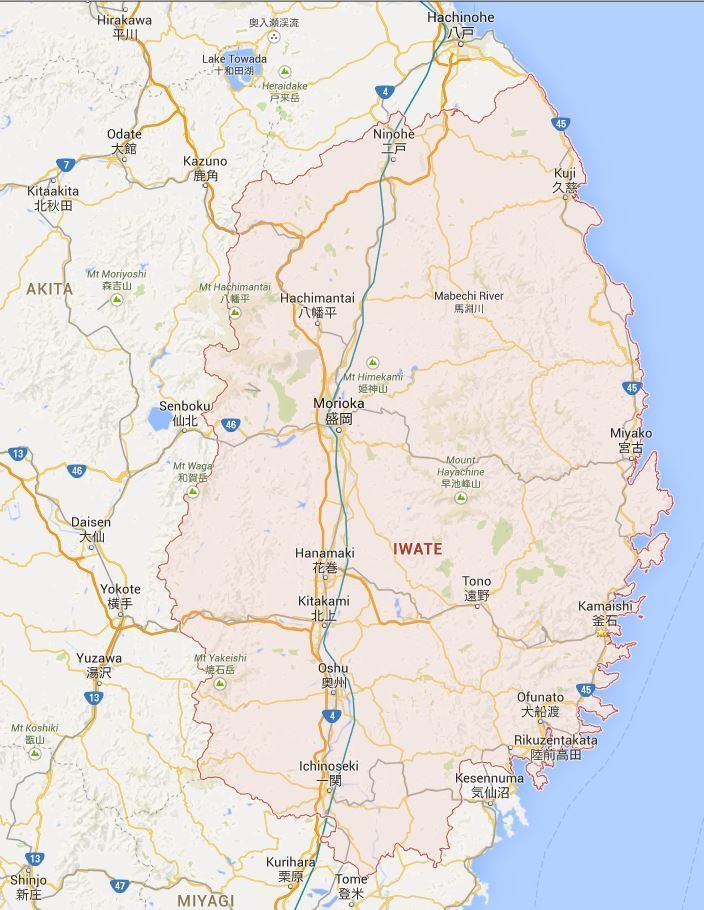
On Wednesday, April 22, 2026, two forest fires broke out in Ōtsuchi Town, Iwate Prefecture, prompting local authorities to issue evacuation advisories and request disaster relief deployment from Japan’s Self-Defense Forces. The fires began in the afternoon, with the first reported around 1:55 p.m. In the Kozuchi area, northwest of Ōtsuchi Station on the Sanriku Railway line. A second fire erupted later that day near Yoshirikiri Station, approximately 10 kilometers away.
By 5:00 p.m., the combined blazes had consumed approximately 9.5 hectares of forest land, according to Iwate Prefecture officials. Local firefighters worked to contain the flames, but strong winds and dry conditions hampered efforts. The Japan Meteorological Agency had issued both a dry weather advisory and a strong wind warning for the southern coastal region of Iwate Prefecture earlier that day, contributing to the rapid spread of the fires.
As the fires continued to burn into the evening, Ōtsuchi Town officials issued evacuation advisories for residents in several districts, including Azawa 1–3 Chome and Akahama 1–3 Chome. By 8:00 p.m., approximately 130 people had evacuated to designated shelters set up at the Yoshirikiri Elementary School gymnasium, the Kozuchi multipurpose hall, and the Yoshirikiri Learning Center elementary department. No injuries were reported.
In response to the escalating situation, Iwate Prefecture established a disaster special警戒本部 (special警戒本部 translates to special警戒 headquarters) at 4:00 p.m. And formally requested disaster deployment of the Self-Defense Forces. Firefighting helicopters were deployed to assist ground crews, though officials noted that the fire’s intensity and terrain made access tough in some areas, particularly on steep slopes where hoses could not reach.
The cause of the fires remains under investigation, and authorities have not confirmed whether the two incidents are related. Ōtsuchi Town lies along the Sanriku Coast, a region still recovering from the 2011 Great East Japan Earthquake and tsunami, though officials have not linked the current fires to any ongoing recovery efforts or infrastructure vulnerabilities.
As of the latest updates, firefighting operations continued into the night, with no clear timeline for containment. Residents were advised to monitor official channels for updates on evacuation orders, air quality, and road closures. The town has urged the public to avoid the affected areas to allow emergency personnel to work safely.
Official Response and Evacuation Details
Ōtsuchi Town activated its emergency response protocol following the outbreak of the fires, coordinating with Iwate Prefecture police and fire departments. Evacuation advisories were specifically issued for low-lying residential zones vulnerable to ember spread due to the strong southward wind direction observed during the afternoon. The town opened three evacuation centers to accommodate displaced residents, providing basic necessities such as blankets and drinking water.
Local authorities emphasized that the evacuation was precautionary, aimed at ensuring public safety amid unpredictable fire behavior. No mandatory evacuation orders were issued, but officials strongly encouraged compliance with advisories. Shelter operations were managed by town volunteers and prefectoral disaster relief staff, with medical personnel on standby to address any health concerns, though none were reported.
The Self-Defense Forces deployment request marked a significant escalation in the response, reflecting concerns over the fires’ potential to expand beyond current containment lines. While specific units or personnel numbers were not disclosed in official statements, the mobilization underscored the prefecture’s assessment that local resources alone were insufficient to manage the dual-front firefighting effort under adverse weather conditions.
Weather Conditions and Fire Behavior
Meteorological data from the Morioka Regional Weather Observatory indicated that Ōtsuchi Town experienced sustained dry conditions and gusty winds on April 22, 2026. The observatory confirmed that the maximum instantaneous wind speed reached 25.1 meters per second in Shiwa Prefecture, with gusts exceeding 20 meters per second across multiple coastal monitoring points, including Ōtsuchi. These conditions significantly increased the risk of spot fires and rapid flame propagation through dry forest undergrowth.
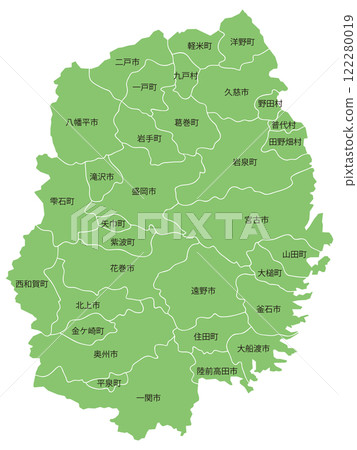
Fire behavior analysts note that when wind speeds exceed 20 meters per second combined with low humidity, wildfires can exhibit extreme behavior, including crowning (fire spreading through tree canopies) and long-range spotting. The topography of the Kozuchi and Yoshirikiri areas — characterized by steep slopes and narrow valleys — further complicated firefighting efforts by creating wind tunnels and limiting access for ground vehicles.
Despite the deployment of firefighting helicopters, officials reported that water drops were less effective due to wind dispersion and the dense smoke column obscuring target areas. Ground crews focused on establishing firebreaks using bulldozers and hand tools in accessible zones, prioritizing protection of residential structures and critical infrastructure.
Context and Regional Significance
Ōtsuchi Town, located in the Iwate Prefecture coastal zone, has a history of vulnerability to natural disasters. The town suffered extensive damage during the 2011 tsunami, which inundated low-lying areas and destroyed hundreds of homes. While the current forest fires are unrelated to seismic or tsunami risks, they highlight ongoing environmental challenges in the region, particularly during seasonal transitions when dry vegetation and wind patterns increase fire susceptibility.
Forest fires in northern Japan are less common than in southern or western regions, but they pose unique challenges due to limited firefighting infrastructure in remote mountainous areas and the potential for rapid spread in dense coniferous stands. The Sanriku Coast’s mixed forest ecosystems, including Japanese cedar and pine, can burn intensely under dry conditions, producing significant smoke and heat.
Environmental officials have noted an increase in fire risk days across northeastern Japan in recent years, attributed to changing climate patterns that prolong dry seasons and intensify wind events. However, no formal climate attribution has been made regarding the specific conditions on April 22, 2026, and authorities have refrained from linking the incident to broader environmental trends without peer-reviewed analysis.
Ongoing Operations and Public Guidance
As of the evening of April 22, firefighting efforts remained active, with crews working to establish containment lines around the perimeter of both fire zones. Authorities have not announced a projected timeline for full containment, citing the unpredictability of wind shifts and the difficulty of accessing steep terrain. Air quality monitoring was initiated in nearby communities, though no hazardous levels were reported in residential areas as of nightfall.
Residents were advised to keep windows closed, limit outdoor exertion, and follow updates from Ōtsuchi Town’s official website and disaster alert system. The town also requested that volunteers refrain from self-deploying to the fire zones, emphasizing that untrained individuals could impede operations and endanger themselves.
No road closures were immediately reported on major highways, but local forest access roads remained restricted to emergency vehicles. The Sanriku Railway line continued operations with delays reported in some segments due to smoke visibility and precautionary inspections.
Moving forward, officials will continue to assess the structural integrity of burned areas and monitor for hotspots that could reignite. Once the fires are contained, investigators will conduct a formal origin-and-cause analysis to determine whether human activity, equipment failure, or natural causes such as lightning triggered the blazes.
For real-time updates, the public is encouraged to consult the Iwate Prefecture Disaster and Safety Portal and the Ōtsuchi Town Emergency Information Page. These platforms provide official advisories, shelter locations, and contact information for emergency services.
Stay informed, stay safe, and follow official guidance during emergency situations. If you have relevant information or wish to support relief efforts through verified channels, please contact local authorities directly.