
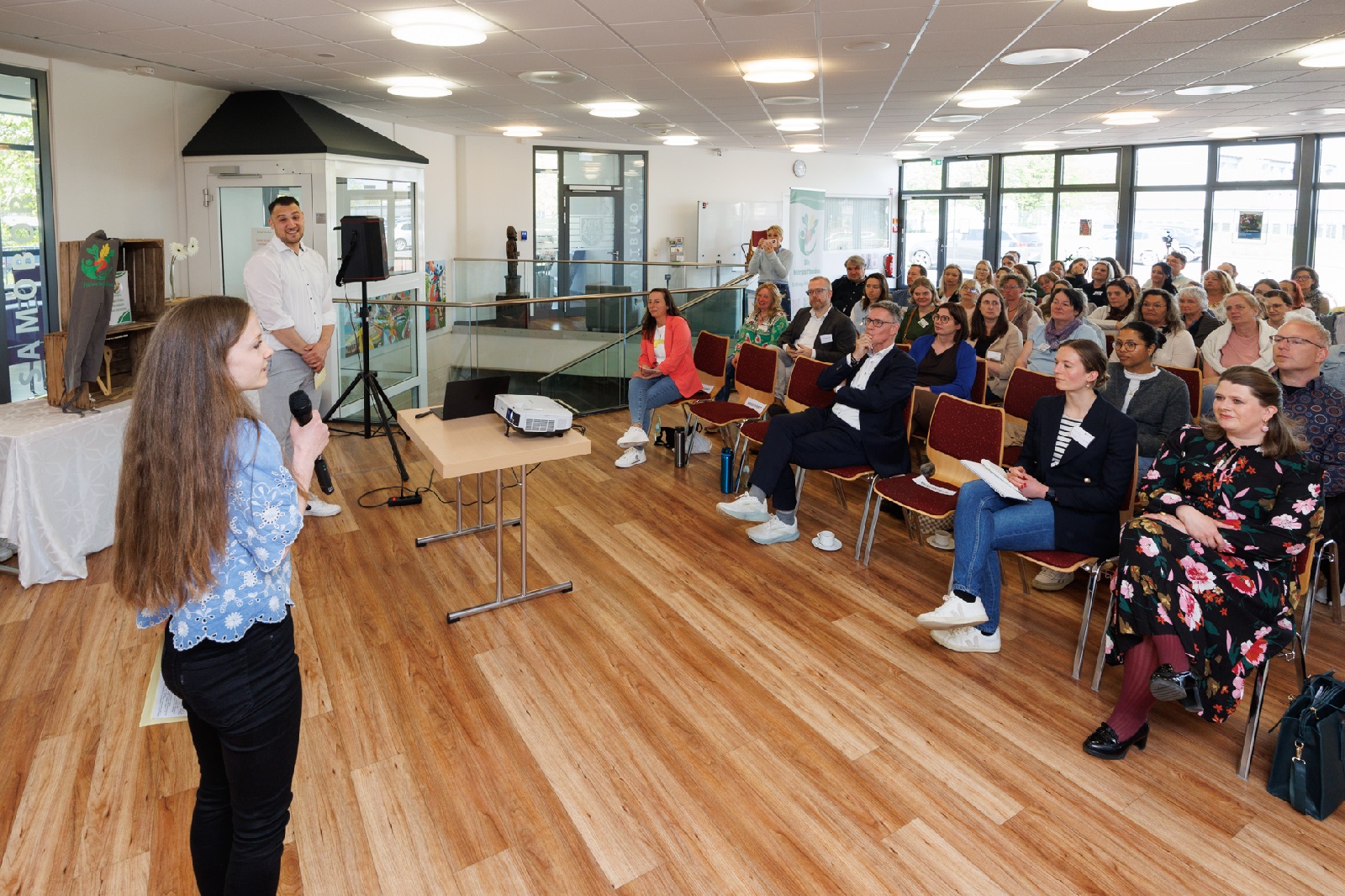
In the Verbandsgemeinde Wirges, a new initiative is set to transform how young children experience food and nutrition in early education settings. Starting in May 2026, the “Nährstoffhelden” project will launch across nine kindergartens in the region, aiming to improve meal quality and nutritional education through a combination of practical kitchen support and digital tools. The initiative is led by Anna and Marvin Zimmer, who founded the organization to address common challenges in early childhood feeding, such as children’s preference for sugary snacks over vegetables and the difficulty many childcare centers face in implementing balanced, age-appropriate menus.
The project builds on established nutritional guidelines from the German Nutrition Society (Deutsche Gesellschaft für Ernährung e.V., DGE), which provides science-based standards for food provision in kindergartens. By aligning with these standards, the Nährstoffhelden aim to ensure that meals served in participating facilities meet recognized benchmarks for health and development. The program does not simply focus on what is served but also integrates nutrition education into daily routines, helping children understand where food comes from and why certain choices support their growth and energy levels.
A key component of the project is a software platform developed in collaboration with BRICKMAKERS AG, a technology partner specializing in digital solutions for public services. This tool is designed to assist kindergarten staff with meal planning, allergen tracking, and documentation—tasks that can be time-consuming and complex, especially in facilities managing diverse dietary needs. The software also links each meal to age-appropriate educational content drawn from the “Mampfstadt” learning world, a narrative-based framework created by the Nährstoffhelden to teach children about healthy eating through stories, characters, and interactive activities.
According to a LinkedIn post from the Verbandsgemeinde Wirges dated April 2026, the project will officially begin on May 1, 2026, following a public kickoff event on April 21, 2026. The post indicates that preparations are underway, including coordination with participating kindergartens, finalizing partnerships, and organizing the launch event. The municipality emphasizes that the initiative is part of a broader effort to support working families, as many of the participating centers offer extended care blocks of eight or nine hours beyond the standard seven-hour entitlement, reflecting local demographic shifts in childcare demand.
The kindergartens involved in the pilot are operated by the Verbandsgemeinde Wirges, which oversees public childcare facilities in the area. These centers are required by law to provide a minimum of seven hours of daily care, Monday through Friday, with additional extended-hour options available based on regional demand. For children under two, care remains fee-based, while attendance becomes free of charge from the child’s third birthday onward—a policy intended to reduce financial barriers to early education access.
Beyond meal planning, the Nährstoffhelden approach includes training for educators and kitchen staff on how to introduce new foods in a positive, pressure-free way. Research shows that repeated, neutral exposure to vegetables and other healthy foods increases acceptance over time, especially when paired with engaging, non-food-related activities. The project leverages this insight by embedding nutritional learning into play, storytelling, and group discussions, avoiding didactic or restrictive messaging that could backfire with young children.
The initiative also responds to broader public health concerns about childhood nutrition in Germany. While national data on kindergarten-specific meal quality is limited, studies have shown that dietary habits formed in early childhood often persist into adolescence and adulthood. Early intervention programs that combine improved food access with education have demonstrated positive effects on fruit and vegetable consumption, willingness to attempt new foods, and parental awareness of nutrition guidelines.
Local officials in Wirges have expressed optimism about the project’s potential to serve as a model for other regions. The Verbandsgemeinde’s LinkedIn update notes that the kickoff event will highlight the partners involved, including the Nährstoffhelden gGmbH, BRICKMAKERS AG, and participating kindergarten teams. It also frames the event as an opportunity for community engagement, inviting interested individuals to learn more about the project’s goals and methods.
As the launch date approaches, the focus remains on practical implementation and feedback collection during the pilot phase. The Nährstoffhelden team plans to work closely with the nine facilities to assess what works well, where adjustments are needed, and how the digital tools support daily operations. Success will be measured not only by changes in meal composition but also by staff usability, child engagement with educational materials, and parental feedback.
For families and educators interested in following the project’s progress, the Verbandsgemeinde Wirges has indicated that updates will be shared through its official channels, including its website and social media platforms. The organization encourages those involved in early childhood education, public health, or municipal services to stay informed about outcomes that could inform future scaling efforts.
The Nährstoffhelden initiative in Wirges represents a localized but potentially significant step toward aligning early childhood care with evidence-based nutrition practices. By combining regulatory standards, technological support, and child-centered education, the project seeks to make healthy eating not just a requirement, but a natural and enjoyable part of daily life in kindergarten.
To learn more about the project’s launch event or to follow updates from the Verbandsgemeinde Wirges, visit their official website or LinkedIn page. Share your thoughts on early childhood nutrition initiatives in the comments below.