The Korea Agro-Fisheries & Food Trade Corp. (aT) and the National Institute of Agricultural Sciences (NAS) have formalized a strategic partnership to bolster agricultural resilience against the escalating impacts of climate change. The collaboration, established through a formal memorandum of understanding, focuses on the systematic exchange of 영농기술정보 (farming technology information) to stabilize domestic food supply chains and assist local agricultural cooperatives, such as Yangdong Agricultural Cooperative, in adapting to shifting environmental conditions.
This initiative addresses the urgent need for data-driven farming practices as global temperatures rise and weather patterns become increasingly volatile. By integrating the research capabilities of the NAS with the distribution and market-analysis infrastructure of aT, the partnership aims to provide farmers with actionable insights into crop selection, pest management, and soil health optimization. The project emphasizes the transition toward “climate-smart agriculture,” a framework supported by the Food and Agriculture Organization of the United Nations to sustainably increase productivity while building resilience.
Data Integration and Climate Adaptation Strategies
The core of this partnership involves the digitalization of agricultural knowledge. The National Institute of Agricultural Sciences, under the Rural Development Administration (RDA), manages extensive datasets on crop physiology and climate-resilient cultivars. According to official RDA portal records, these technical resources are designed to mitigate risks associated with heatwaves, unseasonal frost, and erratic rainfall—factors that have historically disrupted agricultural output in regions served by cooperatives like Yangdong.

For cooperatives, the value lies in the translation of complex meteorological data into localized farming schedules. Agricultural cooperatives act as the primary interface between state-level research and individual farm operators. By participating in this information-sharing network, Yangdong Agricultural Cooperative and similar entities can disseminate precise guidance on irrigation timing and the adoption of heat-resistant crop varieties, reducing the economic vulnerability of local producers.
Stabilizing Food Supply Chains Through Technology
Beyond individual farm productivity, the collaboration aims to stabilize national supply chains. The Korea Agro-Fisheries & Food Trade Corp. (aT) tracks commodity price fluctuations and supply shortages resulting from climate-induced crop failures. By aligning with the NAS, aT can preemptively signal necessary supply adjustments to cooperatives, ensuring that market volatility is managed with current, accurate agricultural data.
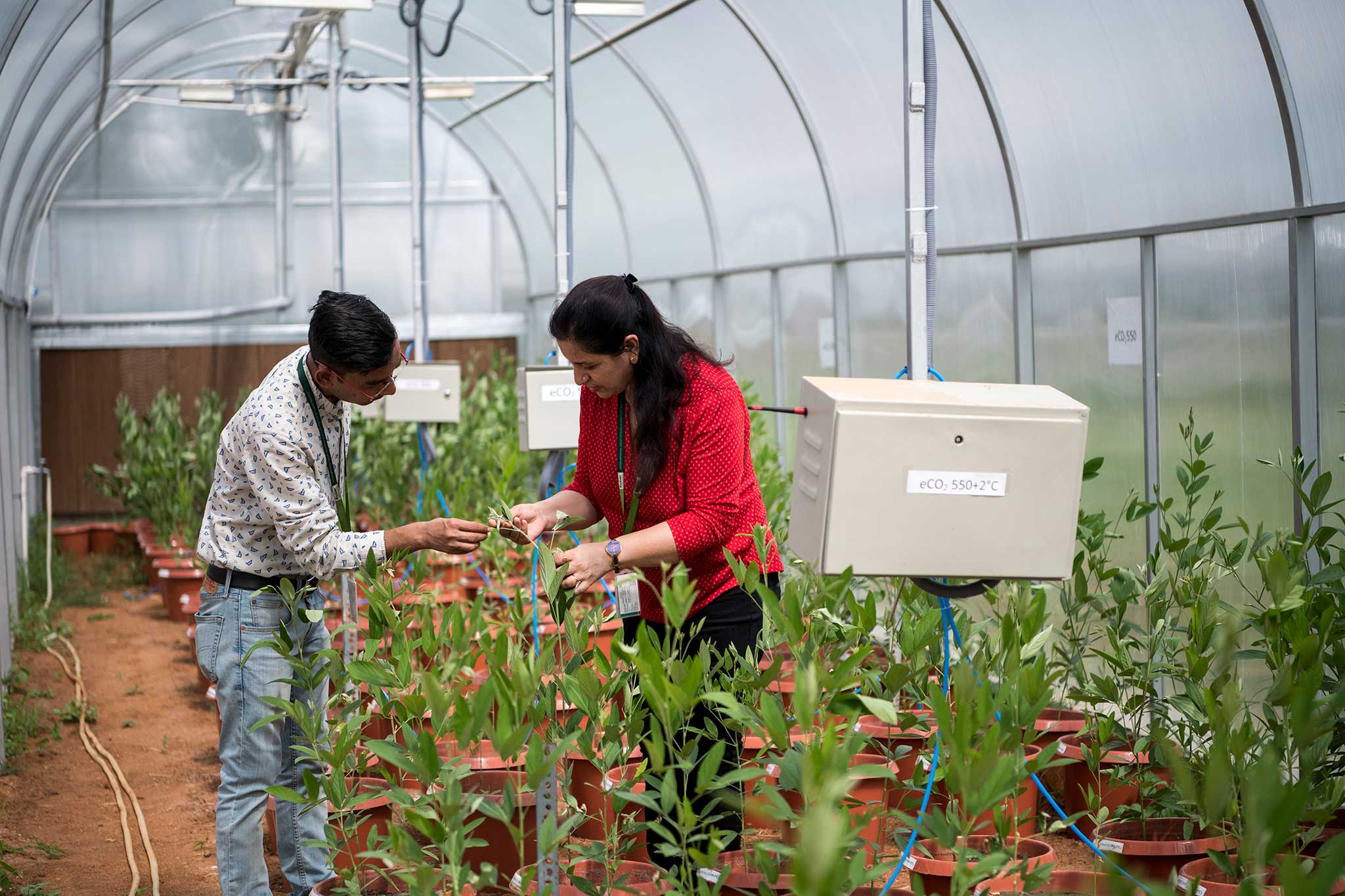
This systematic approach is part of a broader shift in South Korean agricultural policy toward digital transformation. The government has prioritized the development of “smart farms” and AI-driven monitoring systems to maintain self-sufficiency in key food sectors. The Ministry of Agriculture, Food and Rural Affairs continues to oversee these national efforts, emphasizing that the integration of research-backed 영농기술정보 is essential for the long-term sustainability of the domestic agricultural market.
Operational Impact for Local Cooperatives
Local cooperatives serve as the critical conduit for these technological advancements. For farmers associated with the Yangdong Agricultural Cooperative, the partnership translates into improved access to technical manuals, on-site consulting, and real-time alerts regarding pest outbreaks or extreme weather events. This reduces the “information gap” that often leaves small-scale farmers at a disadvantage when adapting to rapid environmental changes.
The collaboration also highlights the importance of cross-institutional cooperation in managing environmental risks. By pooling resources, the NAS and aT avoid the redundancy of separate data collection efforts, creating a unified knowledge base that is both deep in scientific rigor and broad in market application. Future iterations of this program are expected to include expanded training modules for cooperative managers, ensuring that the latest scientific findings are effectively implemented at the field level.
Future Outlook and Implementation
The next phase of this partnership involves the deployment of regional pilot programs that will test the efficacy of the shared agricultural data in real-world farming environments. These pilots are scheduled to monitor crop yields and resource efficiency over the next growing season, providing a benchmark for the scalability of the initiative. Stakeholders anticipate that the success of these programs will dictate further funding and resource allocation for climate adaptation projects in the coming years.
Farmers and cooperative members are encouraged to monitor updates from the Rural Development Administration and their local cooperative offices for detailed guides on implementing these new farming technologies. As agricultural conditions continue to evolve, the reliance on verified, data-driven methodology will remain the primary defense against climate-related disruption. Readers are invited to share their experiences with local agricultural adaptation efforts in the comments section below.
Keep reading