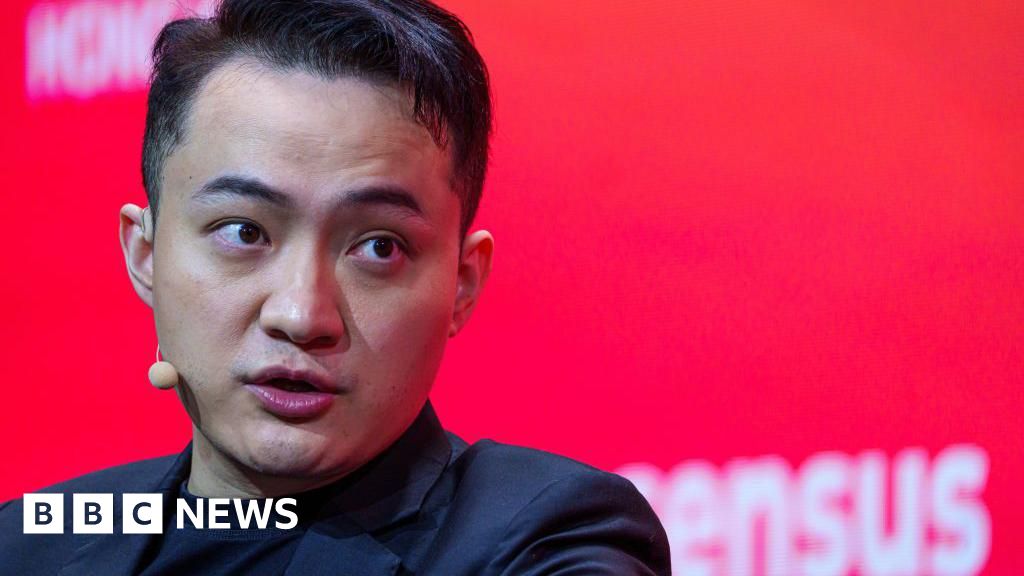
Billionaire investor Justin Sun has filed a lawsuit against World Liberty Financial, the cryptocurrency venture co-founded by former U.S. President Donald Trump and his son Eric Trump, alleging the company illegally froze his digital tokens and attempted to pressure him into additional investments. The legal action, filed in a California federal court, centers on Sun’s claim that World Liberty Financial unilaterally altered contractual terms to restrict his ability to sell or govern his holdings in the project’s native token, WLFI.
According to court documents referenced in multiple verified reports, Sun, the founder of the TRON blockchain platform, initially invested approximately $45 million in World Liberty Financial tokens. At peak valuation, his holdings were reported to exceed $1 billion in value, though the token’s market price has since declined significantly. The lawsuit alleges that after Sun declined to commit further funds to mint the company’s USD1 stablecoin, World Liberty Financial froze his tokens and secretly modified governance rules to grant itself unilateral authority over token transfers—a change Sun claims was never proposed or approved by token holders.
World Liberty Financial has denied all allegations, calling Sun’s claims “entirely meritless” and accusing him of deflecting attention from his own conduct. In public statements, co-founder Zach Witkoff stated that Sun engaged in misconduct requiring the company to act to protect its users and community. The firm maintains it has taken all necessary steps to uphold the integrity of its platform and denies any wrongdoing in its dealings with Sun or other investors.
The litigation adds to ongoing scrutiny of World Liberty Financial, which has positioned itself as a Trump-aligned crypto venture despite operating independently of any official governmental entity. Sun, who has been a vocal supporter of Trump’s cryptocurrency initiatives, previously purchased $100 million worth of the official $TRUMP meme coin in July 2025 and has held significant positions in other Trump-associated digital assets. His involvement with World Liberty Financial was initially framed as a strategic alignment with the Trump brand’s influence in the cryptocurrency space.
Legal experts note that cases involving alleged unilateral changes to token governance rights are increasingly common in the cryptocurrency sector, where decentralized ideals often contrast with centralized control mechanisms embedded in smart contracts or administrative keys. The outcome of this suit could set a precedent for how courts interpret contractual obligations and investor rights in blockchain-based ventures, particularly those making claims about decentralization while maintaining centralized oversight.
As of the latest available information, no court date has been set for a preliminary hearing and both parties have declined to comment further on substantive legal arguments. Investors and regulators continue to monitor the case for its potential impact on transparency and accountability in celebrity-linked cryptocurrency projects.
For updates on this developing legal matter, readers may consult the Public Access to Court Electronic Records (PACER) system for filings in the U.S. District Court for the Central District of California, where the case was submitted.
What are your thoughts on the intersection of political branding and cryptocurrency accountability? Share your perspective in the comments below and help foster informed discussion on this evolving topic.