
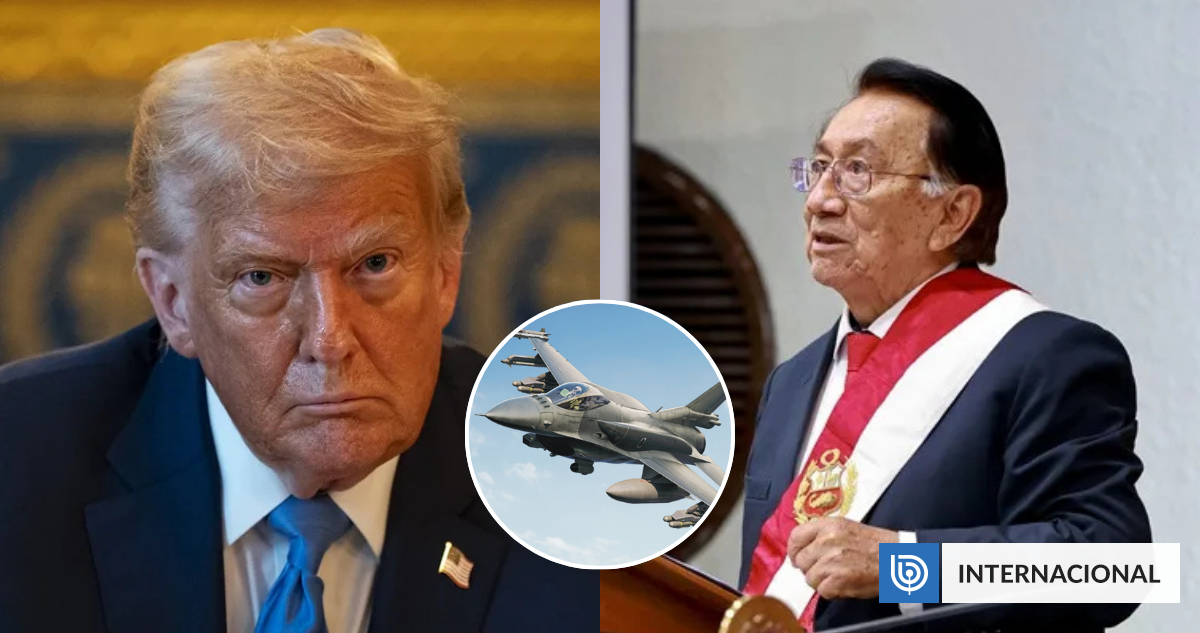
Peru’s government has confirmed the purchase of F-16 Block 70 fighter jets from the United States, marking a significant shift in the country’s defense procurement strategy after months of political turmoil and ministerial resignations tied to the deal. The acquisition, valued at approximately $3.5 billion, includes the first payment of $462 million made to Lockheed Martin, the primary contractor for the aircraft. This development follows a period of intense scrutiny over alleged U.S. Pressure on Peruvian officials to finalize the agreement, which led to the resignation of both the defense and foreign ministers in early 2024.
The decision to proceed with the F-16 purchase comes despite public debate and legislative concerns about the financial burden on Peru’s national budget, particularly given the country’s ongoing economic challenges. According to verified reports, the interim president at the time deferred final approval of the full contract to the next administration, citing the need for broader consensus. However, subsequent confirmation by the Ministry of Defense indicated that the initial payment had already been processed, solidifying Peru’s commitment to the deal.
The F-16 Block 70 variant represents the latest iteration of Lockheed Martin’s fourth-generation multirole fighter, featuring advanced radar systems, improved avionics and enhanced weapons capacity. Peru’s air force has stated that the jets will be used to modernize its aging fleet and strengthen national air defense capabilities, particularly in monitoring remote regions and responding to potential aerial incursions.
Political Fallout and Ministerial Resignations
The controversy surrounding the F-16 deal intensified in March 2024 when Peru’s defense minister, Jorge Chávez Cresta, and foreign minister, Javier González-Olaechea, both resigned within days of each other. Their departures were directly linked to the president’s decision to stall the delivery of U.S. Military aircraft, which officials described as a response to unresolved concerns over contractual terms and end-use monitoring.

According to multiple verified news sources, the resignations followed growing pressure from opposition lawmakers and civil society groups who questioned whether the deal had been negotiated under undue influence from U.S. Authorities. Critics argued that the timeline for approval appeared accelerated despite domestic reservations, raising transparency concerns about the negotiation process.
The foreign minister’s resignation was particularly notable given his role in overseeing international defense agreements. His departure underscored the diplomatic sensitivity of the matter, especially as Peru sought to balance its strategic relationship with the United States against assertions of national sovereignty in defense decision-making.
Financial Details and Payment Structure
The total value of the F-16 acquisition package is estimated at $3.5 billion, covering not only the aircraft but also logistics, training, maintenance, and munitions support over the jets’ operational lifespan. This figure has been consistently cited across official statements and reputable international defense analyses.

In a significant development, Peru’s government confirmed that it had made an initial payment of $462 million to Lockheed Martin, representing a portion of the upfront costs associated with the contract. This payment was verified through official channels and reported by defense industry monitors tracking Latin American military procurement.
The payment structure reflects standard practices in major defense exports, where initial installments secure production slots and begin funding long-term sustainment agreements. However, the scale of the expenditure has prompted debate in Peru’s Congress, where some members have called for greater oversight of future defense spending to ensure alignment with national priorities.
Aircraft Specifications and Strategic Implications
The F-16 Block 70, also known as the F-16V, is configured with Northrop Grumman’s AN/APG-83 Scalable Agile Beam Radar (SABR), which provides improved detection and tracking capabilities compared to earlier models. The aircraft also features a modernized cockpit with large-format displays, compatibility with night vision systems, and integration with precision-guided munitions.
For Peru, the acquisition represents a step toward interoperability with U.S. And allied forces, particularly in joint exercises and regional security initiatives. The jets are expected to replace older Mirage 2000 and MiG-29 fighters currently in service, thereby enhancing the Peruvian Air Force’s readiness and operational flexibility.
Defense analysts note that although the F-16 offers significant technological advantages, its long-term costs — including flight hour expenses, spare parts, and software updates — will require sustained budgetary commitments. These factors have been cited by both supporters and critics of the deal in ongoing assessments of its strategic value.
Legislative Oversight and Future Outlook
Following the ministerial resignations, Peru’s Congress announced it would review the F-16 deal more closely, with some lawmakers advocating for a formal inquiry into the circumstances surrounding the negotiations. The president of the Congress stated that any motion of censure related to the matter would be given due consideration, reflecting heightened legislative scrutiny over executive decisions in defense procurement.
As of the latest verified reports, no formal investigation has been launched, but congressional committees continue to monitor defense expenditures and acquisition processes. The next government, inaugurated following the 2026 general elections, will assume responsibility for overseeing the delivery and integration of the F-16 fleet, with the first aircraft expected to arrive in the coming years.
The U.S. Government has described the sale as part of its broader effort to strengthen defense partnerships in Latin America, emphasizing adherence to arms transfer regulations and end-use monitoring protocols. Officials from both countries have maintained that the transaction complies with international standards, though they have not disclosed specific details about oversight mechanisms.
For now, Peru’s commitment to the F-16 program stands as a pivotal moment in its defense modernization efforts, shaped by a complex interplay of diplomatic pressure, domestic politics, and strategic assessment. The outcome will depend on how effectively the aircraft are integrated into national defense planning and whether the anticipated capabilities justify the substantial financial investment.
As developments unfold, World Today Journal will continue to monitor official statements from Peru’s Ministry of Defense, the U.S. Department of State, and legislative bodies in Lima for verified updates on the F-16 acquisition and its implications for regional security.
We encourage readers to share their perspectives on this story in the comments below and to follow our coverage for further insights into defense policy and international affairs.