:format(jpg):quality(99):watermark(f.elconfidencial.com/file/65c/43d/0ca/65c43d0ca5dbd5ff8f19b44167343db9.png,0,275,1)/f.elconfidencial.com/original/614/c9f/f71/614c9ff71e96748e9197591abf773ab4.jpg)
Barcelona has inaugurated a new “silent” music venue in the Eixample district, offering an ambient music experience hosted within a traditional modernist building. The concept utilizes wireless headphone technology to allow patrons to engage with immersive soundscapes while minimizing noise emissions in the surrounding residential neighborhood.
The venue marks a departure from the city’s high-decibel nightlife, focusing instead on “deep listening” sessions. By employing silent disco-style technology, the establishment aims to provide a high-fidelity auditory environment that respects the architectural and social fabric of one of Barcelona’s most densely populated areas.
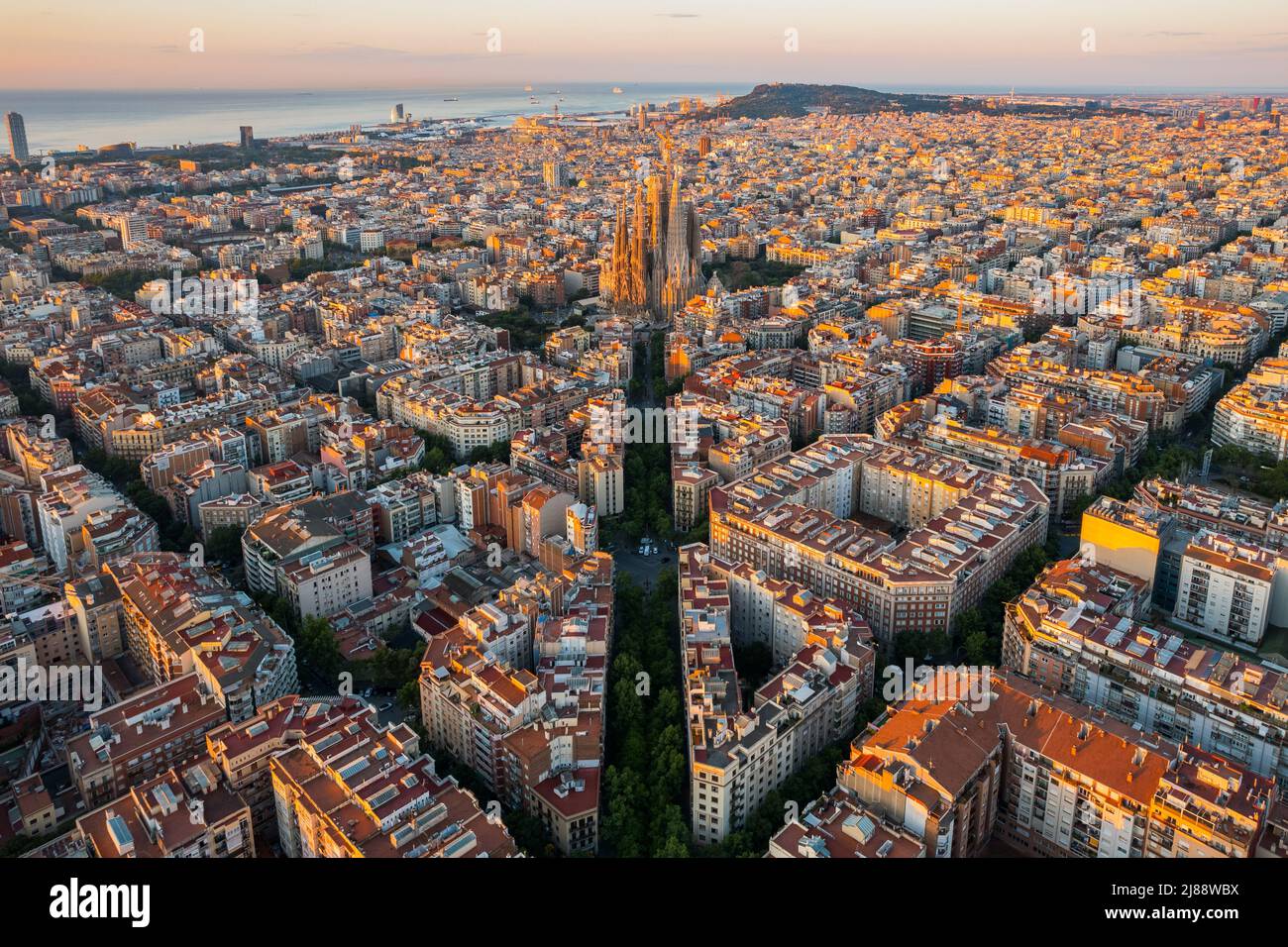
Local reports indicate that the choice of an Eixample modernist building is central to the experience. The district is globally recognized for its unique grid layout designed by Ildefons Cerdà and its high concentration of Modernisme architecture, which provides a historically rich backdrop for the ambient music sets.
How does the ambient music experience in Eixample operate?
The venue functions as a “silent club,” a concept where the traditional loudspeaker system is replaced by high-quality wireless headphones. Patrons receive these headsets upon entry, allowing them to control their individual listening experience. This setup is specifically tailored for ambient and electronic music, genres that emphasize texture, layering, and subtle sonic shifts.
According to the operational model, the use of headphones serves two primary purposes. First, it allows for a more intimate connection between the listener and the music, as the high-fidelity audio is delivered directly to the ear, bypassing the acoustic interference of a large, reverberant hall. Second, it acts as a noise-mitigation strategy. In a city like Barcelona, where nightlife and residential living frequently intersect, the ability to host music events without broadcasting loud volumes to the street is a significant operational advantage.
The ambient music programming is intended to facilitate a contemplative atmosphere. Unlike traditional clubs that prioritize high-energy dancing and social interaction through volume, this venue focuses on the auditory qualities of the music itself. This approach aligns with the growing global interest in “listening rooms” and “listening bars.”
Why was a modernist building selected for the venue?
The selection of a modernist building in the Eixample district is a deliberate aesthetic and cultural choice. The Eixample is home to many of Barcelona’s most iconic structures, characterized by ornate facades, intricate ironwork, and high ceilings. These architectural elements provide a sensory contrast to the modern, electronic nature of ambient music.
Architectural historians note that the high ceilings and expansive volumes of modernist interiors can present challenges for traditional sound engineering due to echoes and standing waves. However, the silent disco format bypasses these acoustic hurdles. Because the sound is contained within headphones, the venue can leverage the grand, historic atmosphere of the building without needing to modify the structural acoustics to accommodate heavy bass or high-volume playback.
This integration of historic architecture and modern technology reflects a broader trend in urban revitalization. By repurposing heritage buildings for niche cultural experiences, operators can preserve the aesthetic integrity of the neighborhood while introducing new economic and social activities.
The impact of silent technology on Barcelona’s nightlife regulations
The emergence of silent music venues in Eixample may provide a solution to the long-standing tension between Barcelona’s vibrant nightlife and its urban noise ordinances. The city has implemented various measures to control noise pollution, which often leads to friction between club owners and local residents.
Traditional nightlife models rely on sound pressure levels that can easily exceed municipal limits, leading to fines, closures, or restricted operating hours. The “silent” model fundamentally alters this dynamic. By containing the sound within a closed loop of headphones, the venue can theoretically operate during late hours with a significantly lower impact on the surrounding community’s acoustic environment.
Urban planners and hospitality experts suggest that this model could serve as a blueprint for sustainable nightlife in historic European centers. If successful, the Eixample experiment could lead to more flexible zoning or licensing for “low-impact” venues that prioritize cultural immersion over high-volume social entertainment.
The global trend of “listening culture” in urban centers
This development in Barcelona is not an isolated phenomenon but part of a growing international movement toward “listening culture.” From the jazz kissas of Tokyo to the listening bars of London and New York, there is an increasing demand for spaces dedicated to focused, high-quality audio consumption.
This shift can be compared to the following trends in urban entertainment:
| Feature | Traditional Nightlife | Ambient Listening Venues |
|---|---|---|
| Primary Goal | Social dancing and high-energy interaction | Deep listening and musical immersion |
| Sound Delivery | High-decibel loudspeaker systems | High-fidelity wireless headphones |
| Acoustic Impact | High potential for neighborhood noise complaints | Minimal sound leakage to the exterior |
| Atmosphere | High-stimulation, high-volume | Contemplative, low-stimulation |
The rise of these venues suggests a demographic shift in how urban residents consume culture. As cities become louder and more crowded, the desire for “sensory retreats”—spaces where individuals can control their environment and focus on a single, high-quality stimulus—continues to grow.
The Eixample venue represents a convergence of these factors: a historic setting, cutting-edge audio technology, and a niche musical genre, all positioned to navigate the complexities of modern urban living.
Further updates regarding the venue’s official programming schedule and membership details are expected to be released through local cultural bulletins in the coming weeks.
What are your thoughts on the rise of silent clubs in historic neighborhoods? Let us know in the comments below and share this article with your network.
Related reading