
The final matches of Group J in the 2026 FIFA World Cup feature Argentina playing Jordan and Algeria facing Austria to conclude the group stage. These fixtures will determine the final rankings for Group J, deciding which teams advance to the knockout rounds under the tournament’s expanded 48-team format.
These scheduled matchups represent the concluding stage of Group J competition. As the tournament shifts into its decisive phase, the results of the Argentina-Jordan and Algeria-Austria games will carry significant implications for the bracket structure. Under the new regulations established by FIFA, the group stage outcomes will dictate not only the automatic qualifiers but also which third-placed teams earn a spot in the Round of 32.
The 2026 tournament, hosted jointly by the United States, Canada, and Mexico, marks a significant shift in international football history. With the expansion from 32 to 48 teams, the competition for advancement within groups like Group J has become increasingly complex, requiring teams to secure specific point thresholds to ensure progression.
How Argentina’s roster evolution impacts the Jordan match
Argentina enters the final group stage match against Jordan with a squad that observers have characterized as significantly different from the lineup that secured the 2022 FIFA World Cup title. This transition period follows the high-profile era of leadership that defined their previous championship run, as the national team integrates a new generation of talent into the core roster.

According to reports on the current state of the Argentine national team, the “much changed” nature of the squad involves a tactical shift toward younger players who are beginning to emerge from domestic and European leagues. This evolution is a central theme for the team as they attempt to maintain their dominance on the global stage while navigating the transition of key veterans.
Jordan, meanwhile, approaches the match as a significant test of their standing in international football. The Jordanian national team has shown increasing competitiveness in recent regional competitions, and a fixture against a perennial powerhouse like Argentina provides a critical benchmark for their progress. For Argentina, the match serves as both a test of their new tactical identity and a necessary step to secure a high seeding for the knockout rounds.
Algeria and Austria: Navigating the Group J standings
The clash between Algeria and Austria serves as the second pivotal fixture in the conclusion of Group J. This match carries heavy weight for both sides as they attempt to solidify their positions in the group table. Algeria, a team with a consistent history of presence in major international tournaments, faces a disciplined Austrian side known for its structured approach to play.

The tactical matchup between these two nations is expected to center on control of the midfield. Algeria’s ability to utilize quick transitions will be tested against the defensive organization that has become a hallmark of recent Austrian international campaigns. The outcome of this match is not merely about winning or losing, but about the specific margin of points required to navigate the 48-team qualification rules.
Because the 2026 format allows for the eight best third-placed teams to advance, the goal for both Algeria and Austria may extend beyond a simple win. Both teams must be mindful of goal difference and total points, as these secondary metrics will be used by FIFA to determine which non-top-two teams move into the knockout stage.
What the 48-team format means for Group J advancement
The expansion of the FIFA World Cup to 48 teams has fundamentally altered the mathematics of group stage progression. In previous iterations of the tournament, only the top two teams from each group typically advanced to the next round. In the 2026 format, the structure has been redesigned to accommodate more nations while maintaining a rigorous path to the championship.
As outlined in the official FIFA 2026 tournament guidelines, the progression works as follows:
- The top two teams from each of the 12 groups automatically qualify for the Round of 32.
- The eight best third-placed teams across all 12 groups also advance to the Round of 32.
- Advancement for third-placed teams is determined by points, goal difference, and goals scored.
This creates a unique scenario for Group J. A team that finishes third is not immediately eliminated but enters a cross-group comparison. This means that the Algeria vs. Austria match could be decided by the necessity of a high-scoring victory to improve a team’s goal difference, even if they cannot mathematically secure a top-two finish.
Logistics and hosting of the 2026 FIFA World Cup
The scale of the 2026 World Cup is unprecedented, involving three host nations: the United States, Canada, and Mexico. This multi-national hosting arrangement requires complex coordination of travel, security, and stadium logistics across a massive geographic area. The tournament is set to utilize several iconic venues to accommodate the increased number of matches and fans.
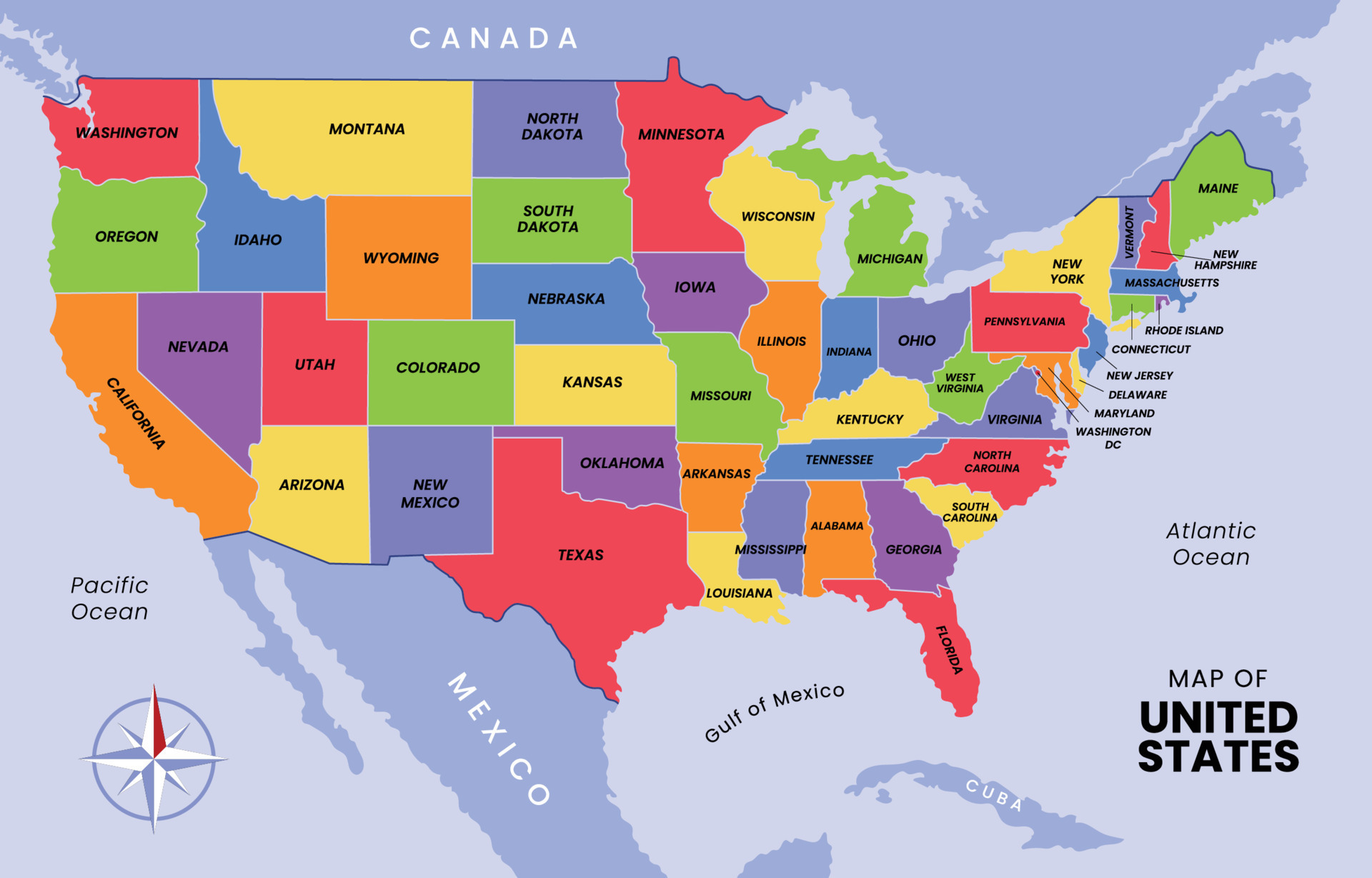
The expansion to 48 teams also results in a larger total number of matches. While the 2022 tournament in Qatar featured 64 matches, the 2026 edition is scheduled to feature 104 matches. This increase necessitates a longer tournament schedule and a more robust infrastructure to manage the continuous rotation of international squads.
For the teams in Group J, the logistical challenge of competing in North America adds another layer of complexity. The distances between host cities can be significant, making recovery and travel management vital components of team preparation during the group stage.
Frequently Asked Questions
Which teams advance from Group J?
The top two teams in Group J will automatically advance to the Round of 32. Additionally, one of the eight best third-placed teams from across all groups may also advance.
How is the 48-team format different from previous World Cups?
The 2026 tournament increases the number of participating nations from 32 to 48, expanding the number of groups from eight to 12 and increasing the total matches from 64 to 104.
Where is the 2026 World Cup being held?
The tournament is being co-hosted by Canada, Mexico, and the United States.
What happens if a team finishes third in Group J?
If a team finishes third, they must be among the eight best third-placed teams across all 12 groups to qualify for the knockout stage.
Next Scheduled Update:
Official final standings and qualification confirmations for Group J will be released immediately following the conclusion of the matches between Argentina/Jordan and Algeria/Austria.
Stay updated on all World Cup 2026 developments. We encourage you to share this article and leave your thoughts on the Group J matchups in the comments below.