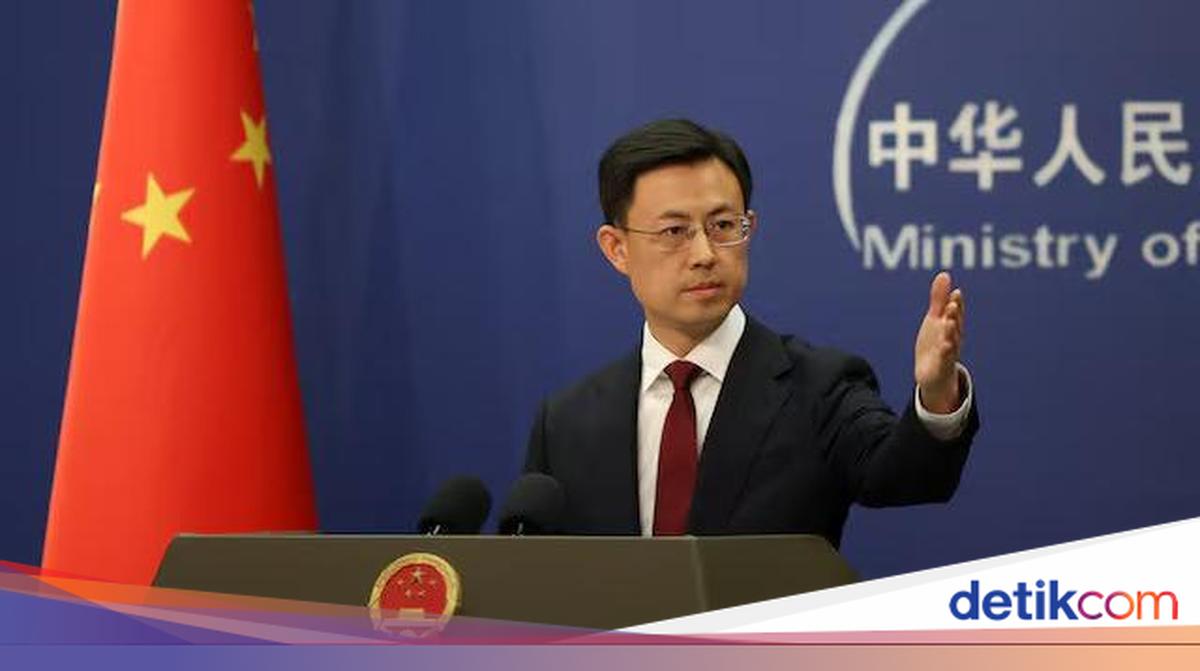
China has called for any potential defence agreement between Indonesia and the United States to avoid harming the interests of other nations, as Jakarta evaluates a request from Washington for military aircraft access to its airspace. The appeal comes amid growing scrutiny over the strategic implications of such arrangements in the Indo-Pacific region, where Indonesia maintains a long-standing policy of non-alignment and active foreign policy.
Indonesian Foreign Minister Sugiono has emphasized that any decision regarding foreign military aircraft overflight access must prioritize national interests and fully uphold Indonesia’s sovereignty. Speaking on 22 April 2026, he clarified that the U.S. Request is not for blanket overflight permission but for specific overflight access, which remains under internal government review through established national mechanisms.
The minister stressed that the evaluation process will consider defence implications and national interests, with no automatic approval granted without thorough deliberation. He warned that granting such access could risk involving Indonesia in global conflicts, a scenario the government seeks to avoid in line with its constitutional mandate to protect the nation and promote public welfare.
China’s call for inclusivity in defence pacts reflects its broader concern about shifting military alignments in Southeast Asia, particularly as the U.S. Seeks enhanced operational flexibility in the region. Beijing has consistently advocated for dialogue and mutual respect among nations to prevent escalation and maintain regional stability.
Indonesia’s approach to the U.S. Request follows a structured interagency review, ensuring that any potential agreement aligns with national laws and international legal principles regarding territorial airspace sovereignty. Officials have confirmed that the matter remains in the discussion phase, with no timeline set for a final decision.
Indonesia’s Sovereignty-Centric Approach to Foreign Military Access
At the heart of Indonesia’s position is the principle that sovereignty over its airspace is non-negotiable, a stance reinforced by both domestic law and international norms. Foreign Minister Sugiono reiterated that all requests for military access, including those from the United States, must undergo rigorous assessment to determine their impact on national security and foreign policy independence.
He noted that the current discussion involves technical and strategic evaluations, particularly concerning how such access might affect Indonesia’s defence posture and its relationships with other global powers. The government has made clear that it will not be drawn into geopolitical tensions that could compromise its neutral stance in international affairs.
This cautious approach is consistent with Indonesia’s historical reluctance to grant permanent military privileges to foreign powers, preferring instead case-by-case arrangements that serve clear national interests. Any outcome will reflect this careful balancing act between engaging with global partners and preserving strategic autonomy.
China’s Call for Regional Inclusivity in Defence Arrangements
China’s intervention underscores its sensitivity to any bilateral defence pacts that could alter the regional balance of power, especially those involving major military actors like the United States. Beijing has long promoted the idea that security cooperation should not arrive at the expense of third-party interests, advocating for frameworks that enhance mutual trust rather than provoke suspicion.

While China did not specify which nations it believes could be affected, its statement implicitly references concerns among ASEAN members and other regional stakeholders about being sidelined in great power dynamics. The call aligns with Beijing’s broader diplomatic efforts to position itself as a proponent of inclusive regional security architecture.
Observers note that such statements often serve dual purposes: expressing genuine concern about exclusion while also influencing the terms of engagement between other countries. In this case, China’s message reinforces the expectation that Jakarta will weigh broader regional implications before proceeding with any agreement.
U.S. Request for Overflight Access: Context and Implications
The United States’ request for overflight access stems from its desire to ensure logistical flexibility for military operations, particularly in light of recent high-level engagements between President Prabowo Subianto and former President Donald Trump in Washington earlier in 2026. However, Indonesian officials have clarified that no formal agreement has been reached, and the matter is being processed through standard bureaucratic channels.

Defence analysts suggest that granting such access could enhance interoperability between Indonesian and U.S. Forces but may also raise questions about Jakarta’s neutrality, especially if perceived as facilitating power projection in contested areas like the South China Sea. The government has acknowledged these concerns and pledged to weigh them carefully.
Historically, Indonesia has permitted limited foreign military flights under specific conditions, often tied to humanitarian missions, joint exercises, or diplomatic clearances — never as routine or blanket privileges. The current discussion marks a test of how Jakarta adapts its policies to evolving security environments without abandoning its core principles.
National Interest and the Path Forward
Indonesia’s decision-making process will continue to be guided by the dual pillars of national interest and sovereignty, as articulated by Foreign Minister Sugiono. He emphasized that these considerations are not merely procedural but central to the country’s identity in global affairs, especially given its archipelagic geography and strategic location.

The government has committed to transparency in its evaluation, ensuring that all relevant stakeholders — including defence planners, foreign policy experts, and constitutional bodies — are consulted before any conclusion is reached. This inclusive approach aims to prevent unilateral decisions that could undermine public trust or institutional cohesion.
As of now, there is no indication of when a final determination will be made, but officials have stressed that no step will be taken without adequate deliberation. The matter remains under active review, with updates expected only after the completion of the ongoing interagency assessment.
For readers seeking to follow developments, official statements from the Indonesian Ministry of Foreign Affairs and defence authorities remain the most reliable sources. Updates are typically released through verified government channels and reputable news outlets adhering to strict editorial standards.
What are your thoughts on how Indonesia should balance international cooperation with its long-standing policy of independence in foreign affairs? Share your perspective in the comments below, and help spread informed discussion by sharing this article with others interested in regional security and diplomacy.
Worth a look
- Empowering Youth: China’s Community-Based Summer Public Welfare Programs and Creative Classrooms
- Best USA Travel Experiences & Destinations
- Mike Bahía and Greeicy Rendón’s Ultrasound TikTok Sparks Second Child Speculation and Music Video Hype (archyde.com)
- How Heatwaves and Rising Temperatures Impact Childrens Mental Health (world-today-news.com)