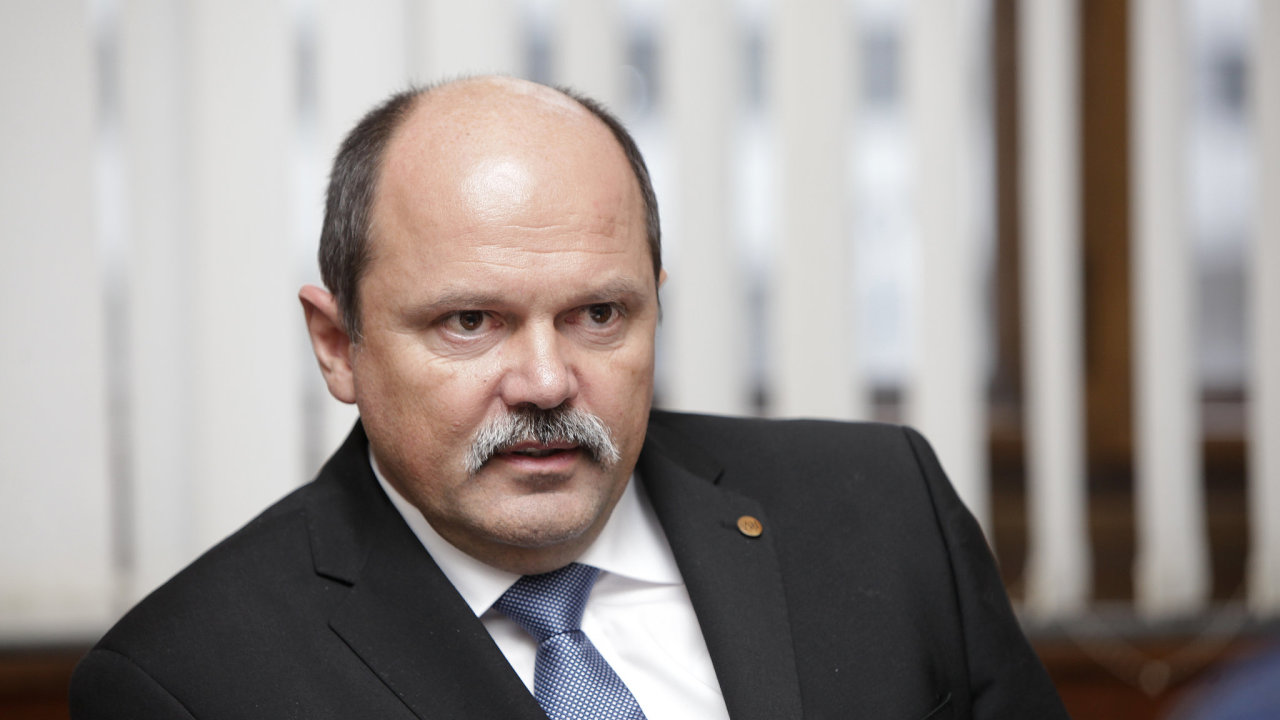
Significant shifts in Czech agriculture continue to draw attention as a major agribusiness on the Kutnohorsku prepares for a change in ownership. The transaction involves Úsovsko, a diversified agricultural, food, and energy conglomerate linked to former Agriculture Minister Jiří Milek, and is now under review by the Czech Office for the Protection of Competition (Úřad pro ochranu hospodářské soutěže). This development marks a notable moment in the consolidation of agricultural assets in the Central Bohemian Region, where large-scale operations spanning crop production, food processing, and renewable energy are increasingly coming under unified control.
The business at the center of the deal, Hospodářská společnost Kutná Hora (HS Kutná Hora), holds an 85 percent stake in Unikom Kutná Hora, a group active across agriculture, food production, construction, and automotive dealerships. Unikom operates poultry farms producing up to 40 million eggs annually, processes eggs into food products, manufactures pastry shells and cups for retail chains including Penny, Albert, and Norma, and runs its own Bala-branded stores. It manages large cold storage facilities for apples in Český Brod and Kutná Hora, with a combined capacity of approximately 21,000 tons, positioning it as one of the country’s largest apple storage operators.
According to two sources cited by Seznam Zprávy Byznys, the sale of HS Kutná Hora is nearing completion, with Úsovsko identified as the buyer. Jiří Milek, who served as Minister of Agriculture in Andrej Babiš’s first government and remains a major shareholder in Úsovsko, declined to comment on the acquisition when approached by reporters, stating he does not discuss the company’s acquisitions. Similarly, Miloš Buňka, director of Unikom, and Jiří Kmoch, chairman of HS Kutná Hora’s board, refrained from detailing the transaction’s progress, noting that public commentary could influence the ongoing process.
Further complicating the ownership structure, Hospodářské noviny reported that the purchase may not involve Úsovsko alone. The outlet indicated that AGRO 2000, another entity active in the agricultural sector, could also be part of the acquiring group. This potential partnership underscores the broader trend of strategic alliances forming among established agribusinesses seeking to strengthen market position amid evolving regulatory and economic conditions in Central Europe’s farming industry.
The Úřad pro ochranu hospodářské soutěže confirmed it has begun reviewing the transaction, signaling that the deal has moved into its final phase. Antitrust scrutiny is standard for consolidations of this scale, particularly when they involve entities with significant holdings in food supply chains and agricultural infrastructure. The office’s involvement suggests authorities are assessing whether the concentration of assets could impede competition in regional markets for grains, dairy, meat, or processed foods.
Unikom’s diversified model reflects a growing trend in Czech agribusiness toward vertical integration. By controlling production, processing, storage, and retail under one umbrella, companies like Unikom aim to reduce reliance on external suppliers, improve traceability, and enhance resilience against market fluctuations. Its apple storage capacity, for instance, allows it to manage post-harvest supply over extended periods, helping stabilize prices and ensure year-round availability—a critical advantage in a sector vulnerable to climate variability and seasonal surpluses.
Jiří Milek’s political background adds a layer of public interest to the deal. As agriculture minister from 2017 to 2018, he was involved in shaping policies related to EU subsidy distribution, land use, and support for small farmers. His continued influence through private business interests has been subject to periodic scrutiny, particularly regarding potential conflicts of interest between public office and private gain. Milek stepped down from Úsovsko’s leadership last year, with Martin Novák taking over as the fresh head of the conglomerate, though Milek remains a significant owner.
The Kutnohorsku region, located southeast of Prague, has long been a hub for agricultural activity due to its fertile soil and proximity to major transport corridors. Over the past decade, it has witnessed increasing investment in large-scale farming operations, food processing plants, and renewable energy projects tied to biomass and biogas production. The potential consolidation of HS Kutná Hora and Unikom under Úsovsko’s control could further accelerate this trend, potentially reshaping land use patterns and supply chain dynamics in the area.
For stakeholders including local farmers, food retailers, and rural communities, the outcome of this transaction may affect access to processing facilities, storage options, and market channels. While vertical integration can bring efficiencies, it also raises concerns about market dominance and reduced competition for independent producers. The Úřad pro ochranu hospodářské soutěže’s review will be critical in determining whether the deal proceeds as proposed or requires modifications to address competitive concerns.
As of now, no official date has been set for the conclusion of the antitrust review. Interested parties are advised to monitor the Úřad’s website for updates on the case, including any public statements, procedural notices, or decisions related to the merger. Transparency in this process will be essential to maintaining confidence in the fairness of market oversight in the Czech Republic’s vital agricultural sector.
This consolidation reflects broader movements across European agriculture, where scale, diversification, and supply chain control are increasingly seen as keys to long-term viability. Whether this transaction strengthens regional food security or concentrates too much power in too few hands remains to be seen—and will depend largely on how regulators balance economic efficiency with the principles of open and fair competition.
Stay informed about developments in agribusiness and market regulation by following trusted financial and economic news sources. Share your perspective on how such transactions affect rural economies and food systems in the comments below.
Related reading