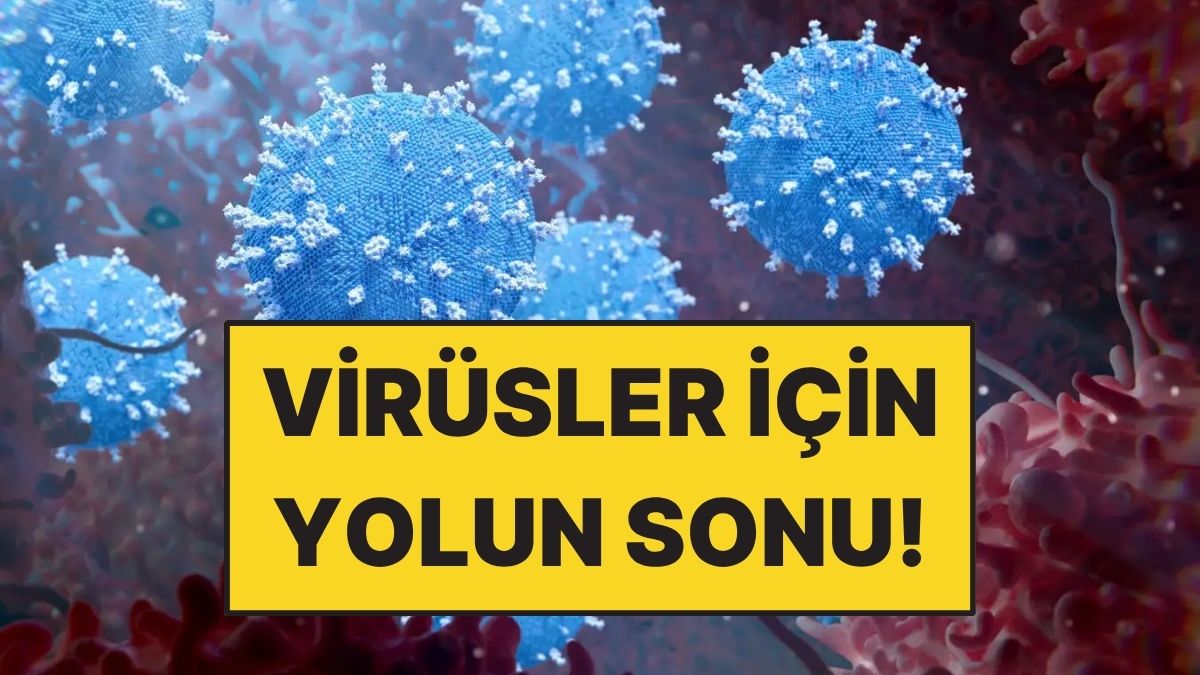
Scientists have developed a new method to physically destroy viruses without using chemicals, according to recent research published in the journal Advanced Science. The innovation involves a nano-structured surface covered in microscopic spikes that tear apart viral particles on contact, rendering them inactive.
The approach represents a significant shift from traditional disinfection methods that rely on chemical agents, which can contribute to environmental pollution, antimicrobial resistance, and toxic waste. By contrast, this mechanical method uses only physical force to neutralize pathogens, offering a potentially safer and more sustainable alternative for infection control.
In laboratory tests, the surface inactivated 94% of human parainfluenza virus particles within just one hour of exposure. Researchers compared the effect to a spiked strip used to deflate vehicle tires, but scaled down to target microscopic threats instead of vehicles.
The technology is built on a flexible acrylic film embedded with densely packed nanoscale pillars. Each spike is approximately 1,000 times thinner than a human hair, with about 60 nanometers of space between them. When a virus lands on the surface, multiple spikes grip it simultaneously from different angles, creating enough pressure to rupture its outer shell.
Because the material does not release any chemicals, it avoids generating hazardous byproducts and reduces the risk of driving microbial resistance. Experts note this could make it especially valuable in settings where chemical disinfectants are impractical or undesirable, such as food preparation areas or pediatric care units.
The manufacturing process is compatible with existing industrial systems, meaning the film could be produced at scale using current production lines. Researchers suggest applications ranging from smartphone screens and hospital equipment to public transit surfaces and shared touchpoints in offices or schools.
By turning high-contact surfaces into active virus-neutralizing tools, the innovation aims to shift infection control from passive cleaning to continuous, real-time protection. Rather than relying on periodic disinfection, surfaces themselves would constantly work to inactivate landing pathogens.
The research team emphasized that while the initial results are promising, further studies are needed to test effectiveness against a broader range of viruses, including those with different structural properties such as coronaviruses or noroviruses. Long-term durability and real-world performance under varying conditions like humidity and frequent touch likewise require evaluation.
As of now, no regulatory approvals or commercial deployments have been announced. The findings remain at the laboratory stage, with no public timeline for when such surfaces might become available in healthcare facilities or consumer products.
For updates on this and other emerging infection control technologies, readers can follow peer-reviewed publications like Advanced Science or consult resources from global health organizations such as the World Health Organization, which regularly evaluates novel interventions for public health employ.
What do you think about this new approach to fighting viruses? Share your thoughts in the comments below and aid spread awareness by sharing this article with others who might find it useful.