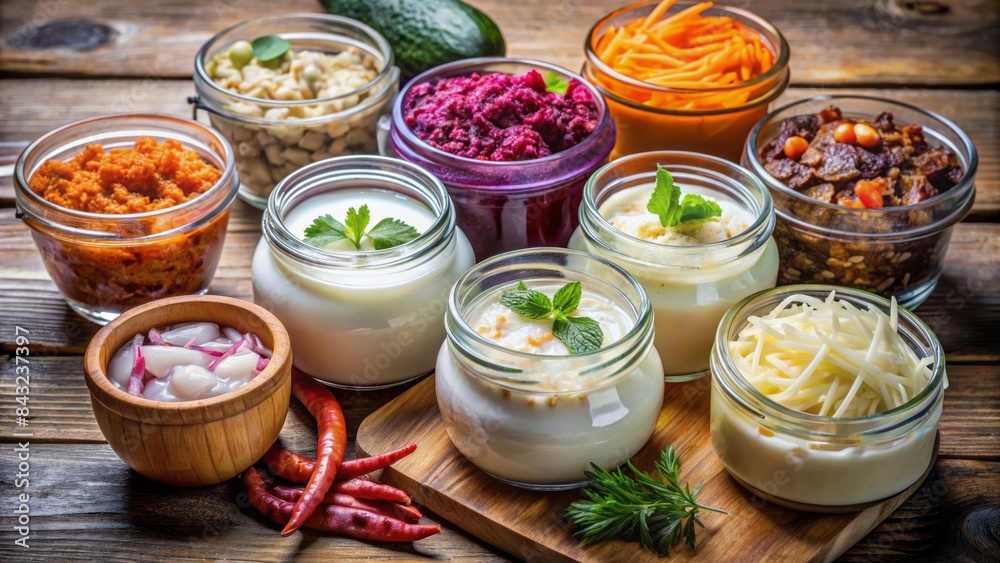
As women navigate the complex hormonal shifts of menopause, many seek dietary strategies to manage symptoms and support long-term health. While popular approaches like intermittent fasting gain attention, medical experts caution that such practices may carry unintended risks during this transitional phase. Instead, evidence points toward balanced nutrition—particularly the inclusion of fermented foods—as a safer, more sustainable path to hormonal equilibrium and overall well-being.
The menopausal transition, typically occurring between ages 45 and 55, involves declining estrogen and progesterone levels, which can trigger hot flashes, sleep disturbances, mood changes, and increased risk for osteoporosis and cardiovascular disease. During this time, dietary choices play a pivotal role in modulating symptom severity and supporting metabolic health. However, not all trendy diets are appropriate or safe for women in midlife.
Intermittent fasting, which cycles between periods of eating and fasting, has been promoted for weight management and metabolic improvement. Yet for menopausal women, restricting eating windows may exacerbate stress on an already hormonally sensitive system. According to a 2023 review published in Nutrients, prolonged fasting can elevate cortisol levels—the body’s primary stress hormone—which may worsen menopausal symptoms like anxiety, insomnia, and abdominal fat accumulation. The study noted that women over 45 showed greater hormonal disruption from fasting protocols compared to younger cohorts, suggesting a need for caution.
“Fasting places the body in a state of perceived energy deficit, which can trigger adaptive responses that counteract intended benefits during menopause,” explains Dr. Helena Fischer, MD, Editor of Health at World Today Journal and internal medicine specialist. “Instead of promoting fat loss, chronic fasting may lead to muscle loss, reduced metabolic rate, and increased inflammation—precisely the outcomes we aim to avoid.”
Rather than restriction, experts emphasize nutrient density and gut health as central pillars of a menopause-supportive diet. Fermented foods such as yogurt, kefir, and sauerkraut (chucrut) are increasingly recognized for their role in modulating the gut microbiome, which in turn influences estrogen metabolism and inflammation. A 2022 study in Frontiers in Nutrition found that regular consumption of probiotic-rich fermented foods was associated with improved vasomotor symptom scores and better bone density markers in perimenopausal and postmenopausal women.
These benefits stem from the live microorganisms in fermented foods—primarily Lactobacillus and Bifidobacterium strains—that help maintain intestinal barrier integrity and modulate immune function. Emerging research suggests a direct link between gut microbiota composition and circulating estrogen levels, via what scientists call the “estrobolome”—the collection of gut bacteria capable of metabolizing estrogen. A balanced estrobolome may help regulate estrogen availability, potentially reducing symptom severity and lowering long-term risks associated with estrogen excess or deficiency.
Incorporating these foods need not be complicated. A daily serving of unsweetened yogurt or kefir at breakfast, or a few tablespoons of raw sauerkraut as a condiment with meals, can introduce beneficial bacteria consistently. For those avoiding dairy, coconut-based kefir or fermented vegetables offer viable alternatives. The key is consistency and choosing products with live cultures, ideally labeled as containing “active” or “live” probiotics.
Beyond fermentation, a menopause-supportive diet includes ample fiber from whole grains, legumes, fruits, and vegetables; adequate protein to preserve lean mass; and healthy fats from sources like olive oil, avocados, and fatty fish. Phytoestrogen-rich foods such as flaxseeds, lentils, and chickpeas may also offer mild estrogen-modulating effects, though their impact varies by individual metabolism and gut flora.
Hydration and micronutrient adequacy are equally vital. Calcium and vitamin D remain critical for bone health, with recommendations of 1,200 mg calcium and 800–1,000 IU vitamin D daily for women over 50. Magnesium, often overlooked, supports sleep quality and mood regulation and can be found in nuts, seeds, and leafy greens. B vitamins, especially B6 and B12, aid in energy metabolism and neurological function, with needs that may increase during menopause due to altered absorption.
there is no one-size-fits-all diet for menopause. Individual responses vary based on genetics, lifestyle, baseline health, and symptom profile. Women with a history of disordered eating, thyroid conditions, or adrenal fatigue should approach any dietary change—including fasting—with particular caution and ideally under medical supervision.
For those considering significant dietary shifts, consulting a healthcare provider or registered dietitian specializing in women’s health is advised. Reliable resources include the North American Menopause Society (NAMS) and the Academy of Nutrition and Dietetics, both of which offer evidence-based guidelines on nutrition during midlife and beyond.
As research continues to uncover the intricate connections between diet, gut health, and hormonal balance, one principle remains clear: nourishment, not restriction, forms the foundation of resilient health through menopause and into later life. By focusing on whole, minimally processed foods—especially those rich in probiotics—women can support their bodies through this natural transition with greater ease and vitality.
Stay informed about the latest developments in women’s health by following trusted medical sources and discussing personal concerns with your healthcare provider.
Keep reading
- Hamburg Police Crack Down on Water Traffic: Overcrowded Ferry and Drunk Canoeist Caught on Alster and Elbe
- Mammal Ancestors Gave Birth to Live Young 236 Million Years Ago
- FDA Approves Groundbreaking mRNA Vaccine Booster for Adults 50+, Boosting Immunity and Protecting Against Chronic Health Risks (archyworldys.com)
- The Future of Health Insurance Coverage and Healthcare Standards (world-today-news.com)