
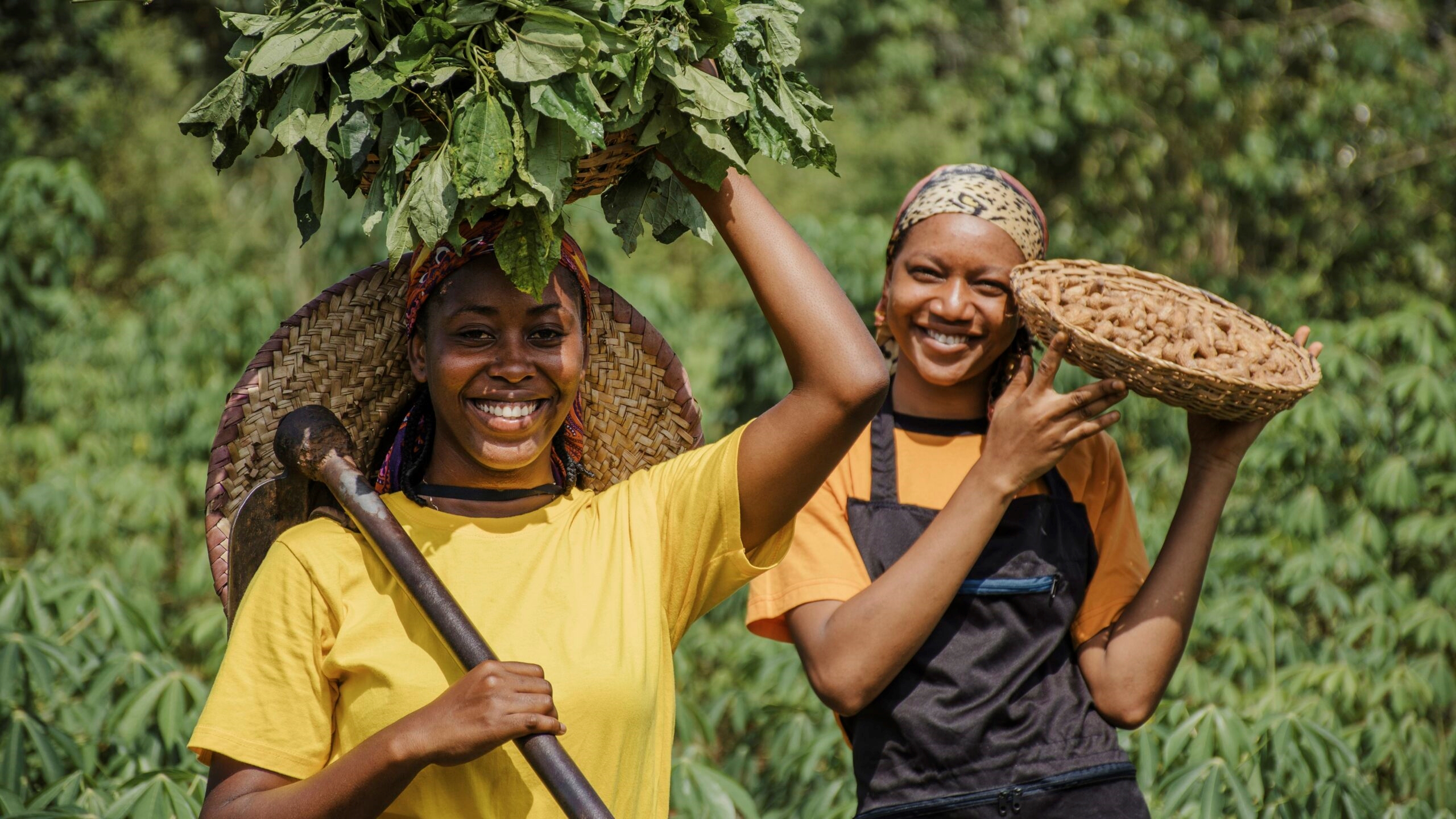
The viral claim that “all of Africa went crazy” following land distribution in a village has sparked intense discussion online, particularly after a video surfaced showing scenes from the Central African Republic. The footage, shared with the caption describing a chilling scene in a village the day after land was divided, has drawn attention to rural development efforts in one of the world’s most fragile nations. However, a closer examination of verified sources reveals a more nuanced picture of ongoing agricultural initiatives rather than the sensationalized narrative implied by the headline.
According to information from the Overseas Saemaul Movement, a South Korean-led international development program, agricultural support has been actively provided in the Central African Republic, specifically in pilot zones covering 10 hectares, with 6 hectares dedicated to land reclamation and crop cultivation. The program includes farming education in rice farming and seed production, along with the supply of agricultural tools and materials to support farming activities. This initiative reflects broader efforts to improve food security and rural livelihoods in a country where subsistence agriculture remains the primary livelihood for most of the population.
The Central African Republic, a landlocked nation in the heart of Africa, continues to face significant challenges stemming from years of political instability, armed conflict and underdevelopment. Despite these difficulties, international partners have maintained engagement through targeted programs aimed at rebuilding basic services and economic opportunities. The Saemaul Undong (New Village Movement), originally launched in South Korea during the 1970s to drive rural development, has been adapted in various African contexts, including pilot projects in the Central African Republic and Senegal, as indicated by the video’s description referencing both locations.
While the video in question highlights the difficult terrain leading to Pata Village — describing the road as extremely rough — it does not depict violence, chaos, or any “chilling scene” as suggested by the viral caption. Instead, available footage and program descriptions focus on agricultural training, infrastructure support, and community engagement. There is no verified evidence in official reports, news archives, or program documentation to support claims of mass hysteria, psychosis, or widespread social breakdown following land distribution efforts in the region.
Land tenure and resource allocation remain sensitive issues across many African nations, particularly in post-conflict settings where displacement and weak governance complicate reform efforts. In the Central African Republic, customary land systems often coexist with formal legal frameworks, creating complexity around ownership and usage rights. Any land-related intervention requires careful negotiation with local authorities, traditional leaders, and community representatives to avoid exacerbating tensions. Reputable development organizations emphasize participatory approaches that prioritize consent, transparency, and long-term sustainability.
The Central African Republic remains one of the poorest countries globally, with consistently low rankings on the Human Development Index. According to recent assessments, over 70% of the population lives below the international poverty line, and access to basic services such as healthcare, clean water, and education remains severely limited. Agricultural productivity is hampered by limited access to inputs, poor infrastructure, and periodic disruptions from insecurity. Programs that provide seeds, tools, and training — like those referenced in the Saemaul Movement’s work — are therefore critical to building resilience at the community level.
It is important to distinguish between genuine humanitarian and development efforts and misleading narratives that exploit images of hardship for shock value. Sensationalized claims about “Africa going crazy” not only misrepresent the realities on the ground but also risk reinforcing harmful stereotypes about the continent. Such narratives obscure the quiet determination of communities working to improve their livelihoods amid adversity, as well as the sustained, if often under-resourced, efforts of international and local partners to support them.
As of the latest available updates, there are no reports of unrest, mass incidents, or abnormal social behavior linked to agricultural projects in Pata Village or elsewhere in the Central African Republic tied to recent land distribution activities. The Overseas Saemaul Movement continues to list its projects in the country as active, focusing on technical support and capacity building rather than large-scale land redistribution.
For readers seeking accurate information about development initiatives in the Central African Republic, official sources include the websites of partner organizations such as the Overseas Saemaul Movement, as well as reports from the United Nations Food and Agriculture Organization (FAO) and the World Food Programme (WFP), which regularly publish assessments of food security and agricultural programs in the region.
What does this mean for those interested in global development? It underscores the importance of verifying information before sharing, especially when it involves complex socio-economic interventions in vulnerable settings. While challenges remain significant in the Central African Republic, progress is often measured in small, steady steps — restored fields, trained farmers, and improved access to seeds — rather than dramatic upheavals.
Stay informed, share responsibly, and support journalism that seeks to understand, not sensationalize.