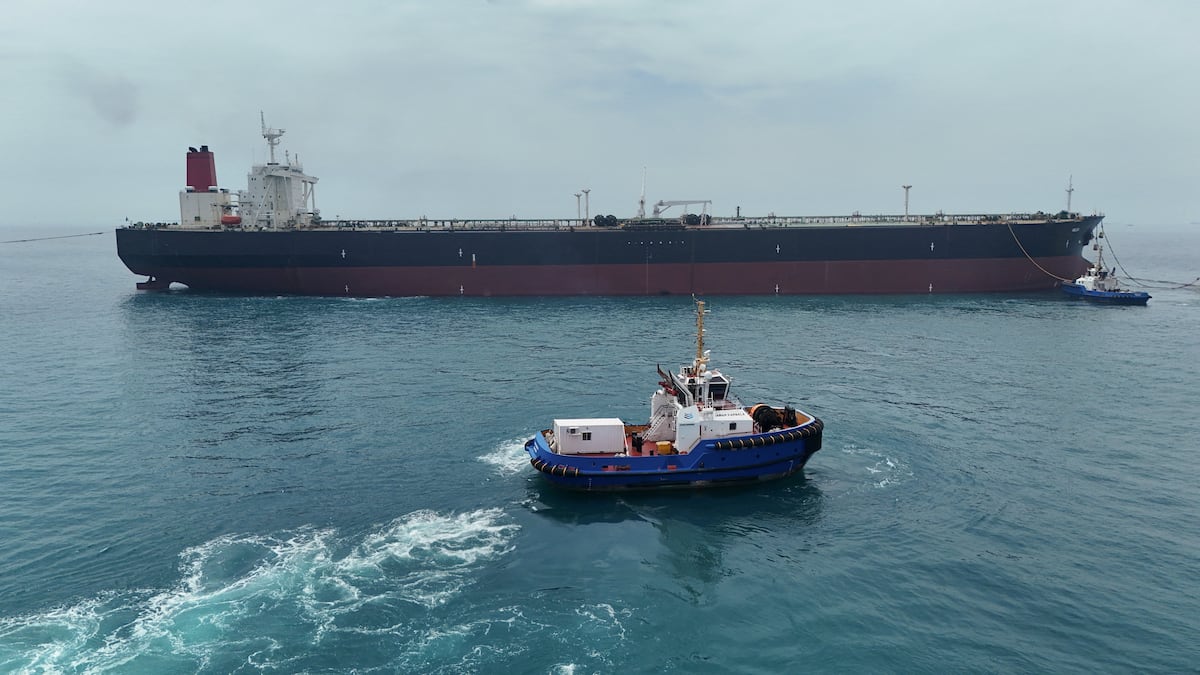
Tensions in the Persian Gulf remain high as diplomatic efforts between the United States and Iran continue amid ongoing regional instability. Recent developments indicate that negotiations, facilitated by Pakistan, are progressing slowly but steadily, with both sides signaling a willingness to engage despite public rhetoric suggesting otherwise. The situation remains fluid, with military posturing coexisting alongside backchannel talks aimed at de-escalation.
According to verified reports, the United States has extended a temporary ceasefire with Iran while awaiting a unified proposal from Tehran that addresses U.S. Demands regarding nuclear activities and regional influence. This extension comes after a previous agreement mediated by Pakistan was set to expire, prompting concerns about a potential resumption of hostilities. Officials familiar with the talks say the extension allows more time for diplomatic engagement, even as strategic waterways like the Strait of Hormuz remain under close watch due to their significance for global oil shipments.
Iranian Foreign Minister Abbas Araghchi has been actively involved in diplomatic outreach, recently traveling to Islamabad to participate in renewed negotiations with U.S. Emissaries. His visit coincided with the arrival of American officials in Pakistan’s capital, marking a rare instance of direct, in-person contact between the two nations since tensions escalated earlier this year. While no breakthrough has been announced, both sides have described the discussions as constructive, and ongoing.
The broader context includes Israel’s continued vigilance regarding Iranian capabilities, particularly in light of regional alliances and proxy dynamics. Even though direct military confrontation between the U.S., Israel, and Iran has not occurred, rhetoric from all sides has remained intense, contributing to volatility in global energy markets. Analysts note that any disruption to shipping through the Strait of Hormuz could have immediate repercussions on crude oil prices worldwide.
Despite the lack of a formal agreement, diplomatic channels remain open, with Pakistan continuing to serve as a key intermediary. The U.S. Has maintained its naval presence in the region, insisting that pressure will remain until Iran presents a verifiable and comprehensive plan to address international concerns. For now, the focus remains on dialogue, even as both sides prepare for various contingencies.
As of this writing, no formal statements have been issued indicating a timeline for when a final agreement might be reached. Observers suggest that the next phase will depend on whether Iran can present a proposal that satisfies U.S. Conditions while also being politically acceptable domestically. Until then, the situation remains in a delicate balance between diplomacy and deterrence.
Stay informed about developments in U.S.-Iran relations and regional security by following trusted international news sources. Share this article to help others understand the evolving situation in the Middle East.
Related reading
- Japan Rescuers Battle Extreme Heat Following Kumamoto Earthquake
- Scottish Woman’s Body Found in Suitcase in Athens: Police Suspect Death Occurred Days Prior
- Trump’s Pressure on the Fed: The Battle Over Interest Rate Cuts (archynewsy.com)
- Trump Orders New Strike on Iran as Conflict Enters Sixth Month (world-today-news.com)