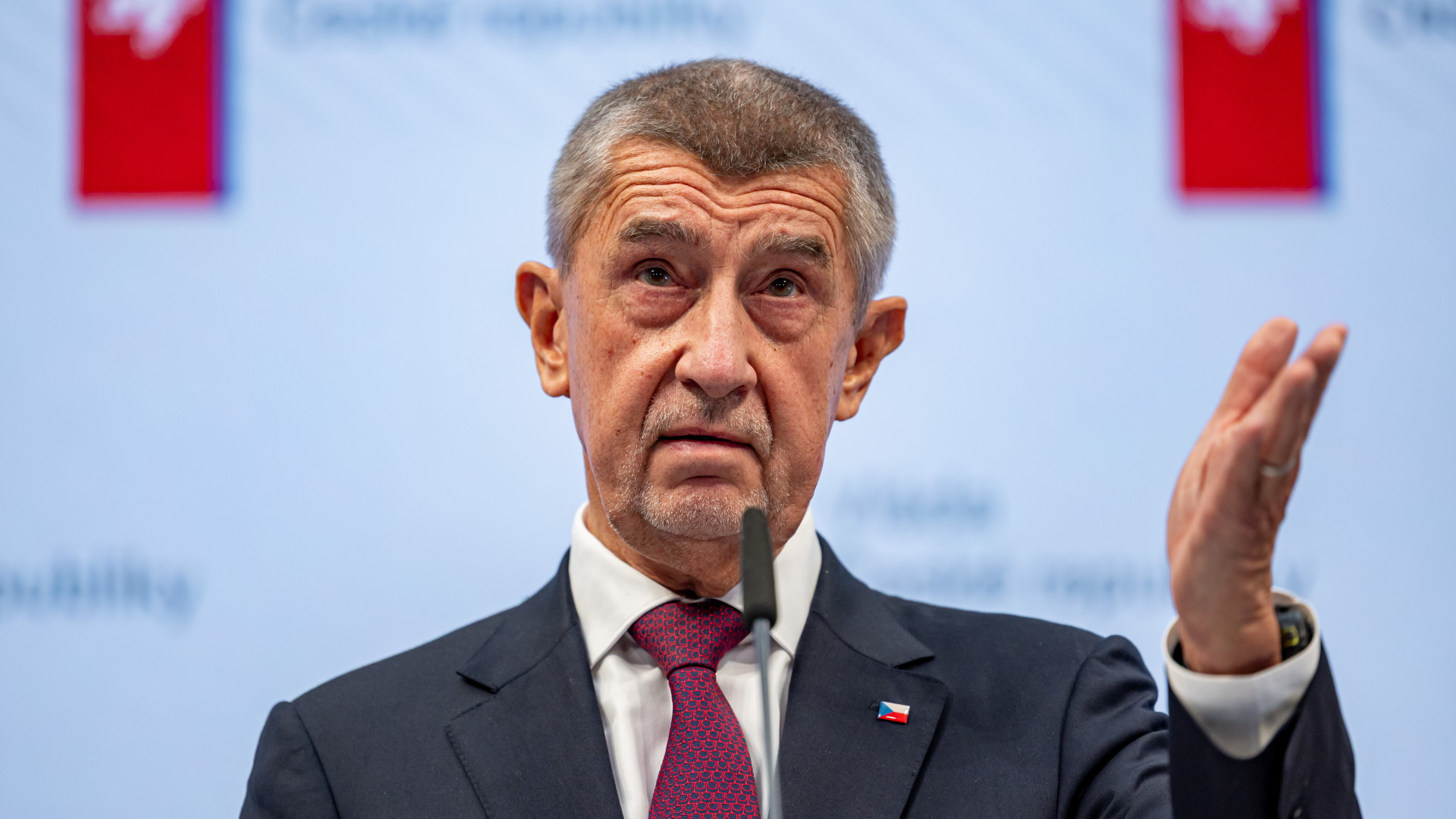
On April 16, 2026, NATO Secretary General Mark Rutte visited Prague to hold talks with Czech Prime Minister Andrej Babiš on Euro-Atlantic security, defence investment, and ongoing support for Ukraine. The meeting underscored continued alliance coordination amid persistent debates over defence spending commitments among member states.
According to NATO’s official account of the visit, Rutte and Babiš discussed the current security environment, defence production capabilities, and the importance of sustained investment in collective security. The Secretary General welcomed Czechia’s contributions to NATO’s Forward Land Forces, its personnel deployed with KFOR in Kosovo, and its jets participating in NATO Air Policing missions.
Rutte emphasized that increasing defence spending is essential to ensure the Alliance has the forces, resources, and capabilities to protect populations, noting that such investment as well promotes economic growth, innovation, and job creation. Regarding Ukraine, he highlighted the significance of the Czech-led ammunition initiative and welcomed further support announced by NATO Allies and partners at the Ukraine Defence Contact Group meeting in Berlin the previous day.
He stated: “Ukraine needs our help to defend against Russia today, be in a strong position to secure peace, and deter against any future aggression,” and expressed confidence in continued cooperation: “We count on a strong Czechia in a strong NATO.”
The visit occurred amid domestic debate in Czechia over whether the country meets NATO’s defence spending guideline of allocating at least 2% of gross domestic product (GDP) to defence. In a social media video released on April 13, 2026, Babiš acknowledged that according to NATO’s assessment, Czechia’s defence expenditures for 2026 would amount to 1.78% of GDP, falling short of the target.
He contrasted this with the previous year, stating that although Czechia reported 2.06% of GDP for defence in 2026, NATO recognized only 1.78%. For 2025, he said Czechia reported 2.01% but NATO acknowledged 1.85%. Babiš noted that these discrepancies arise from differing methodologies in how allied expenditures are calculated, and verified.
Former Prime Minister Petr Fiala disputed Babiš’s claims regarding 2025, citing NATO’s annual report for that year, which he said confirmed Czechia had met the 2% threshold with defence spending at 2.01% of GDP. Fiala argued that Babiš’s interpretation misrepresented the data, while defence experts noted that fluctuations in GDP and reporting timelines can affect year-to-year comparisons.
NATO’s defence investment pledge, established at the 2014 Wales Summit and reaffirmed at subsequent gatherings, calls for member states to aim for 2% of GDP on defence and to allocate 20% of defence budgets to major equipment. While progress has been made across the Alliance, compliance remains uneven, with some countries consistently meeting or exceeding the target and others falling below.
The Czech Republic has maintained active participation in NATO operations, including enhanced forward presence in Eastern Europe, contributions to Balkan stabilization efforts, and regular involvement in air policing missions over Alliance territory. Its defence industry has also played a role in supplying ammunition and artillery systems to Ukraine, a point highlighted by Rutte during his visit.
As of April 2026, NATO continues to monitor defence expenditure reports from all member states through its annual reporting process, with final figures typically released in mid-year following national submissions and validation. The Alliance encourages transparency and dialogue to help allies plan sustainable increases in defence capacity aligned with evolving security challenges.
For official updates on NATO defence spending data and member state commitments, refer to NATO’s annual defence expenditure report.
What are your thoughts on how NATO allies should address disparities in defence investment? Share your perspective in the comments and spread the conversation by sharing this article.
Worth a look